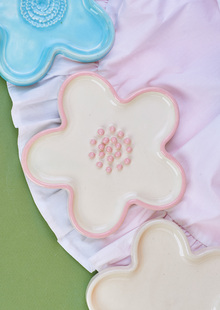
The concept of kitsch emerged in the late 19th century as a label for cheap imitations of «high» art—objects that appeal to emotion without substance, and to form without meaning. In this sense, kitsch long served as a convenient tool for differentiation: between «genuine» art and mass production, and between refined taste and its absence.
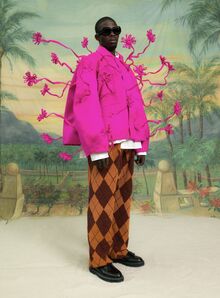
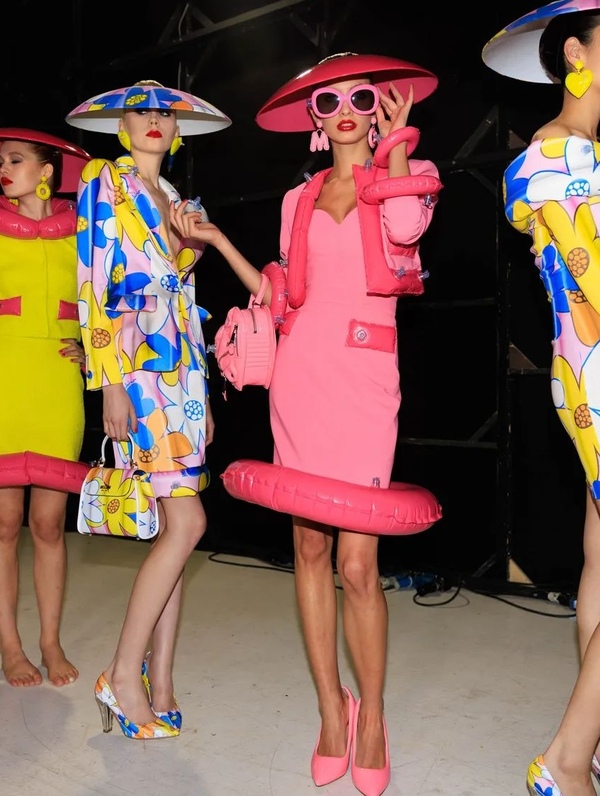
Fashion engages with kitsch in a unique way. On one hand, it has always been vulnerable to accusations of superficiality and mass production. On the other, fashion was among the first arenas where kitsch was adopted and reinterpreted: Versace in the 1980s, Moschino with its irony toward logos, and Alessandro Michele at Gucci, who transformed overload, color mixing, historical citations, and Baroque decor into a consistent design strategy of the postmodern era.
In this context, kitsch becomes a statement—it signals awareness, ironic distance, and a rejection of restraint as an aesthetic norm. The line between «bad» and «smart» kitsch remains a subject of constant negotiation—this zone of ambiguity makes it one of the most compelling phenomena in contemporary fashion.