About brand
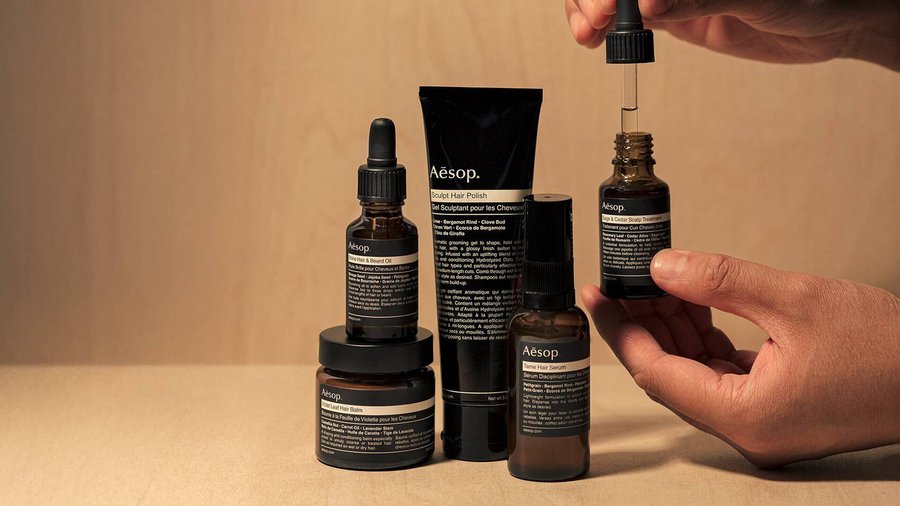
Aēsop is a perfume and skincare brand founded by Dennis Paphitis in 1987 in Melbourne, Australia. Their products are based on a synthetic interaction of scientifically approved formulas with organic and traditional oils, spanning fragrances, candles, soaps, skin and hair care, and more. The conceptual foundation of the Aēsop fragrance portfolio is rooted in the deconstruction of traditional perfumery, shifting the paradigm from mass unconscious consumerism to a phenomenological experience. Known today as a retail-centric brand, Aēsop positions itself against product-centric competitors. Its identity system — from the ancient Greek fabulist metaphor in the naming to modern philosophy and PR — is considered a prime example of qualitative consumer connection, helping raise awareness about body treatments and home furnishing.
Core positioning
The key to Aēsop success is that it does not consider the human body as an object to be decorated, but offers a healthy method of phenomenological and ideological pleasure.
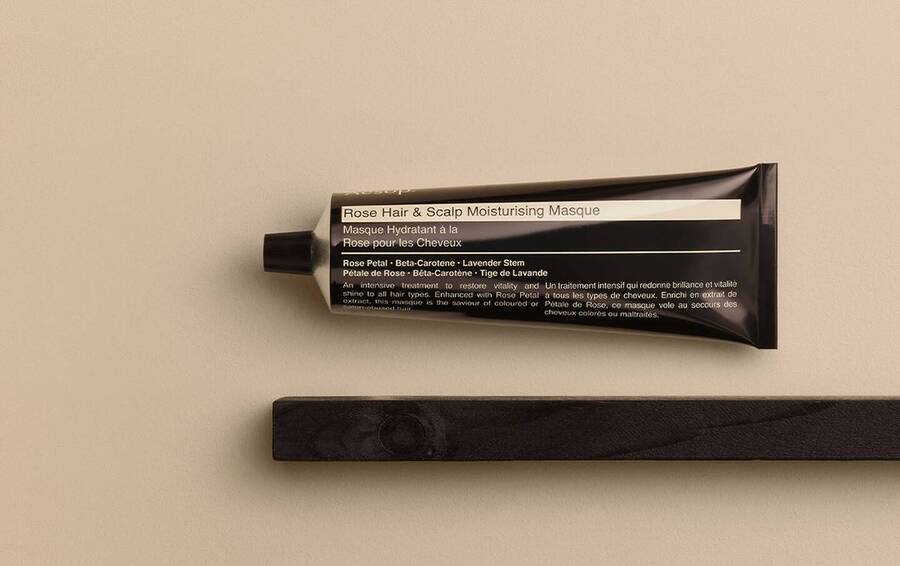
The potential target audience is comprised of cultural creatives, design-conscious professionals, and intellectual minimalists who actively reject hyper-consumerism and overt luxury branding. Conversely, the real audience expands to include urban individuals engaging in class discretion. Culturally, both segments converge under the psychotype of the intellectual aesthetician — individuals characterized by high cognitive complexity who experience dissonance when confronted with aggressive marketing, requiring their consumption choices to validate their intellectual self-image and aesthetic agency.
The underlying insight explains: I do not want my fragrance to speak on my behalf before I do, nor do I want it to mask my individuality; I require a scent that acts as a quiet, structural framework for my own intellectual presence
Competitive Coordinates and Positioning
Within the competitive landscape of niche and luxury perfumery, Aēsop positions itself in the upper-right quadrant of intellectualized niche, contrasting with the lower-left quadrant of trendy, clear, and accessible brands.
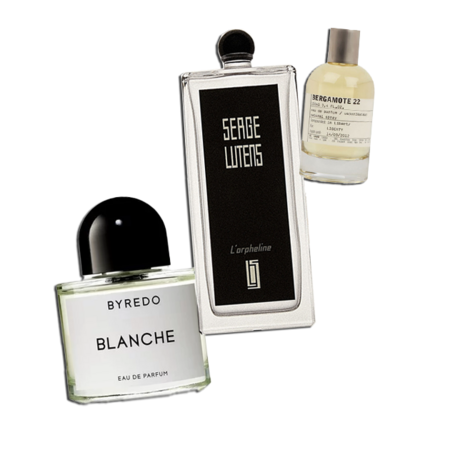
⠀ ⠀ ⠀ ⠀ ⠀ Unlike legacy houses such as Serge Lutens, which rely on orientalist drama, or Byredo, which uses nostalgic emotionalism, Aēsop maintains a position of objective modesty. While Le Labo relies on an industrial craft aesthetic, Aēsop responds with an uncompromising alignment with high modernist design and botanical realism.
Values and vision
The brand’s value system rests on intellectual integrity, architectural discipline, and the preservation of silence. Aēsop rejects the built-in obsolescence of the beauty industry, advocating instead for slow consumption, formulaic permanence, and ecological responsibility. Within this framework, the daily use of fragrance becomes a ritual of balancing a micro-climate of order, reflection, and intellectual independence within chaotic urban environments.
Communication channels
When it comes to brand’s public field, Aēsop consistently focuses on creating meaningful, direct relationship with their customers rather than chasing mass reach. This cultivated deep bond with their audience additionally allows to position brand in the near-luxury or ‘corporate niche’ category.

⠀ ⠀ ⠀ ⠀ To sustain this, they use a sophisticated yet approachable language and restrained tone of voice in official announcements and press releases. It combines lyrical terms like ‘herbal extracts’ and ‘finely milled’ with thorough, scientific explanations of ingredients and often may signal sustainability adherence (e.g. all of their items are labelled as entirely vegan and cruelty-free).

⠀ ⠀ ⠀ ⠀ What they are additionally trying to excel in the public sphere are partnerships with hospitality. Bath products provided by Aēsop can be found in exclusive hotels, restaurants and wellness spaces all around the world. Customer meets the brand in a specific context: while travelling, staying in an authentic hotel or entering a premium service environment. The product becomes connected with comfort, taste and certain status. ⠀ ⠀ ⠀ ⠀ On the left side: Aēsop products in Waldorf Astoria Hotels
This also reflects on the way company operates in digital public sphere. To start off with their elaborately architected website which functions as a virtual extension of the physical stores. Aēsop teamed up with the Work & Co digital product agency to embody ambitious idea of adapting themselves and transforming customer’s shopping experience to online medium.
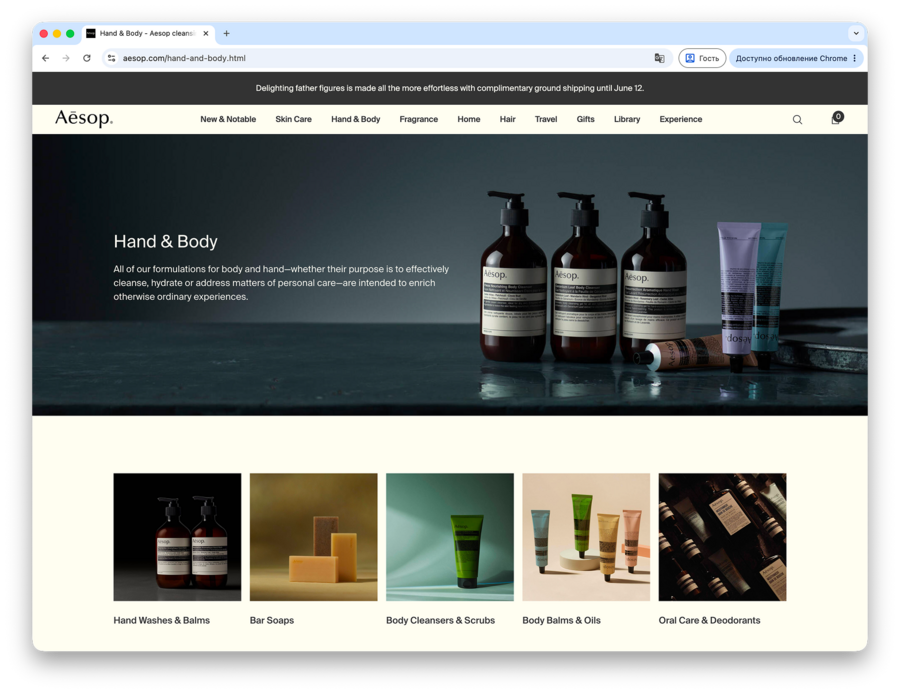
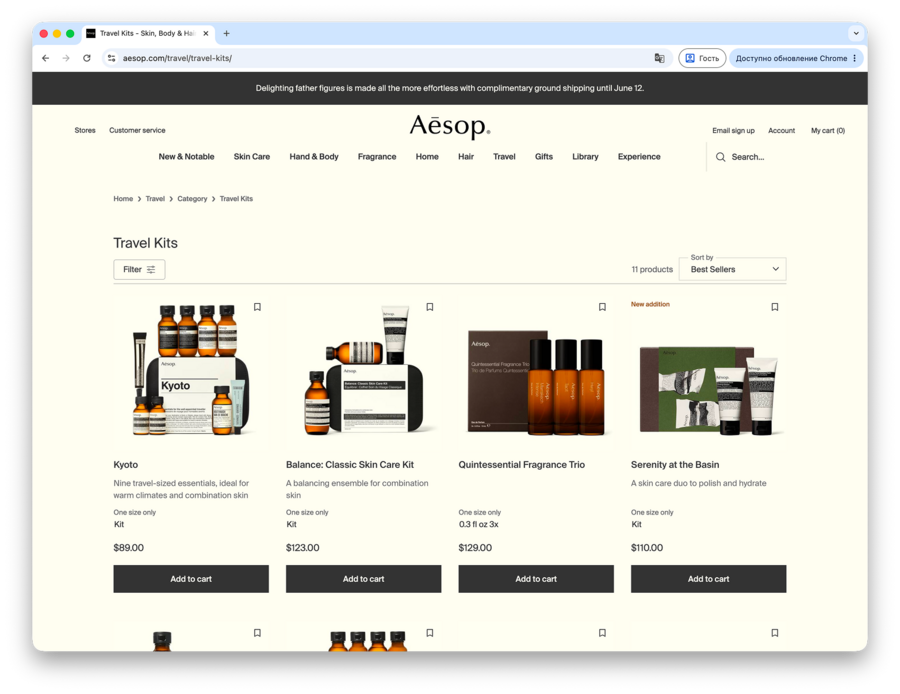
Webpage screenshots with product variety of Aēsop
Like any other business operating on a high-public scale, Aēsop has official accounts at the following social media platforms: Instagram*, Facebook*, X**, LinkedIn and Pinterest. Rather than a one-size-fits-all approach, the company selects tactics that suit to the distinct advantages of each channel.
Aēsop’s Instagram posts
For instance, visual nature of Instagram* allows choosing a thematic grid and placing graphic or video content in a particular geometric and thematic structure, enhancing the message they are trying to convey. This works effectively when they are presenting new product line, visually separating it from the rest of the content on the customer’s feed in the series of photos united by the same distinctive visual style.
Aēsop’s fragnance interactive silder
There is almost no chance in finding photographs of models or celebrities posted by their social media accounts. Aēsop rarely uses influencers in PR, but even if they do so, they chose wisely and perform it with the subtle and deliberate approach. Everything to reach for the high-end clientele and maintain the outlook of a thoughtful and intellectually curious brand.
Theoretical Framework & Analysis
We chose Aēsop, an Australian skincare brand, to see how two theories from class work in a real brand case: the Elaboration Likelihood Model (ELM) proposed by Petty and Cacioppo, and the Excellence Theory of public relations developed by Grunig and Hunt. Aēsop is an interesting example because it does not use the loud promotional style often seen in the skincare market. It builds a calm, design-led image through its stores, packaging, language, and customer experience. This restraint is one of the reasons the brand’s communication feels so effective. The ELM holds that audiences process persuasive messages along two routes: Central Route as the path of cognitive processing that involves scrutiny of message content, and Peripheral Route as a mental shortcut process that accepts or rejects a message based on irrelevant cues as opposed to actively thinking about the issue. Aēsop appears to address both. For consumers who pay close attention to product information, Aēsop descriptions avoid the big promises that are common in skincare. The copy is clear and almost clinical: it gives exact ingredients and simple instructions for use. Because of this tone, the brand comes across as calm, informed, and reliable. This framing can make the consumer read more carefully. This is close to Objective elaboration — bottom-up thinking in which facts are studied without bias; seeking truth wherever it might lead.
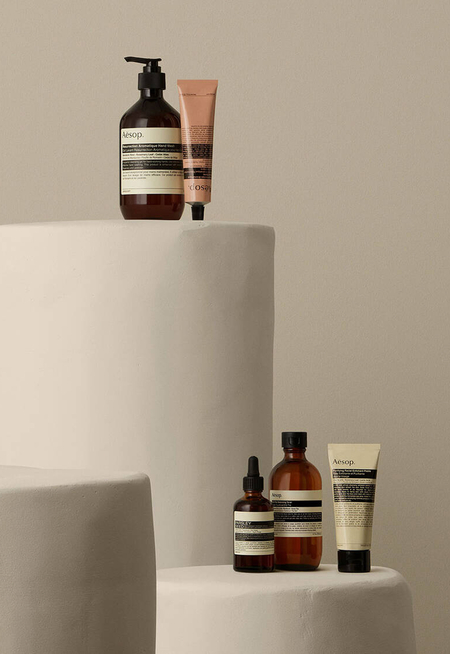
Most consumers, however, are not trying to analyse a hand wash like a scientific product. Their response is often shaped by the peripheral route. Aēsop handles this very carefully: the amber bottles, restrained typography, ambient scent, and characteristically dim lighting all communicate a coherent identity without explicit claims. Aēsop rarely relies on the usual shortcuts of social proof, where everybody’s doing it, authority, where the message is accepted just because I say so, or scarcity, where the pressure is quick, before they’re all gone. Aēsop places its stores in older, culturally distinctive districts and works with local architects, so each space feels closer to a small gallery than to an ordinary shop. The purchase becomes partly symbolic: it says something about taste and identity, while still remaining a simple everyday transaction.
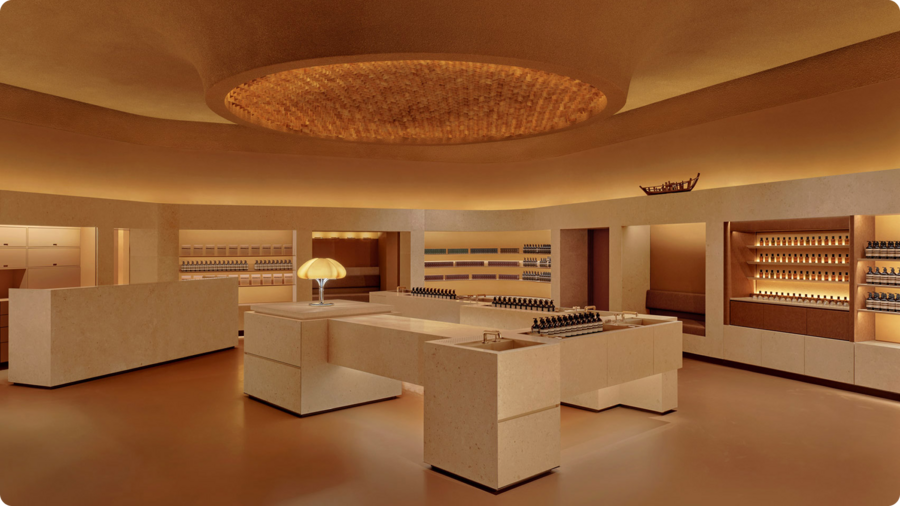


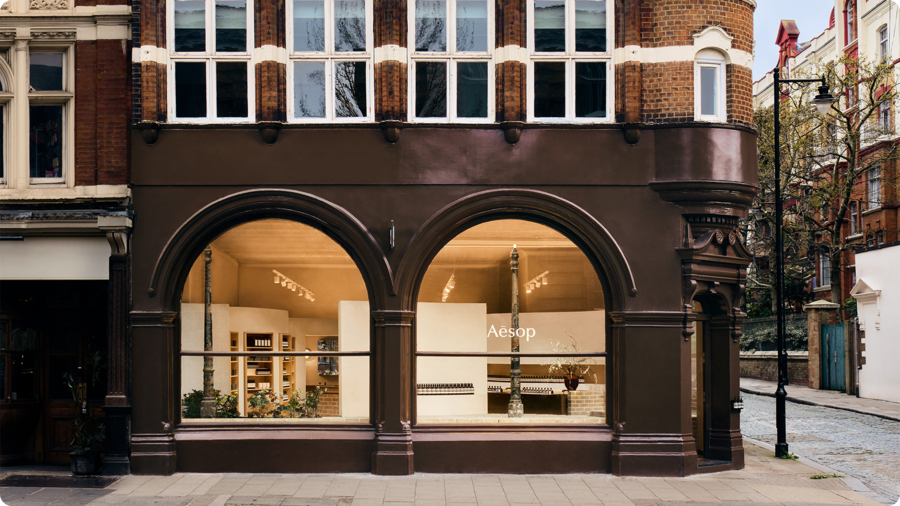
Aesop’s physical stores from culturally diverse places