Introduction

If you’ve ever tried to learn a language, you’ve probably come across Duolingo. It is the world’s largest language-learning platform, founded in 2011 by Luis von Ahn and Severin Hacker. The brand’s mission is to make education free, accessible and engaging for everyone. Today, the app has been downloaded over 500 million times and has more than 80 million active users per month. Duolingo offers courses in over 40 languages — from English and Spanish to Klingon and Valyrian — blurring the line between education and entertainment.
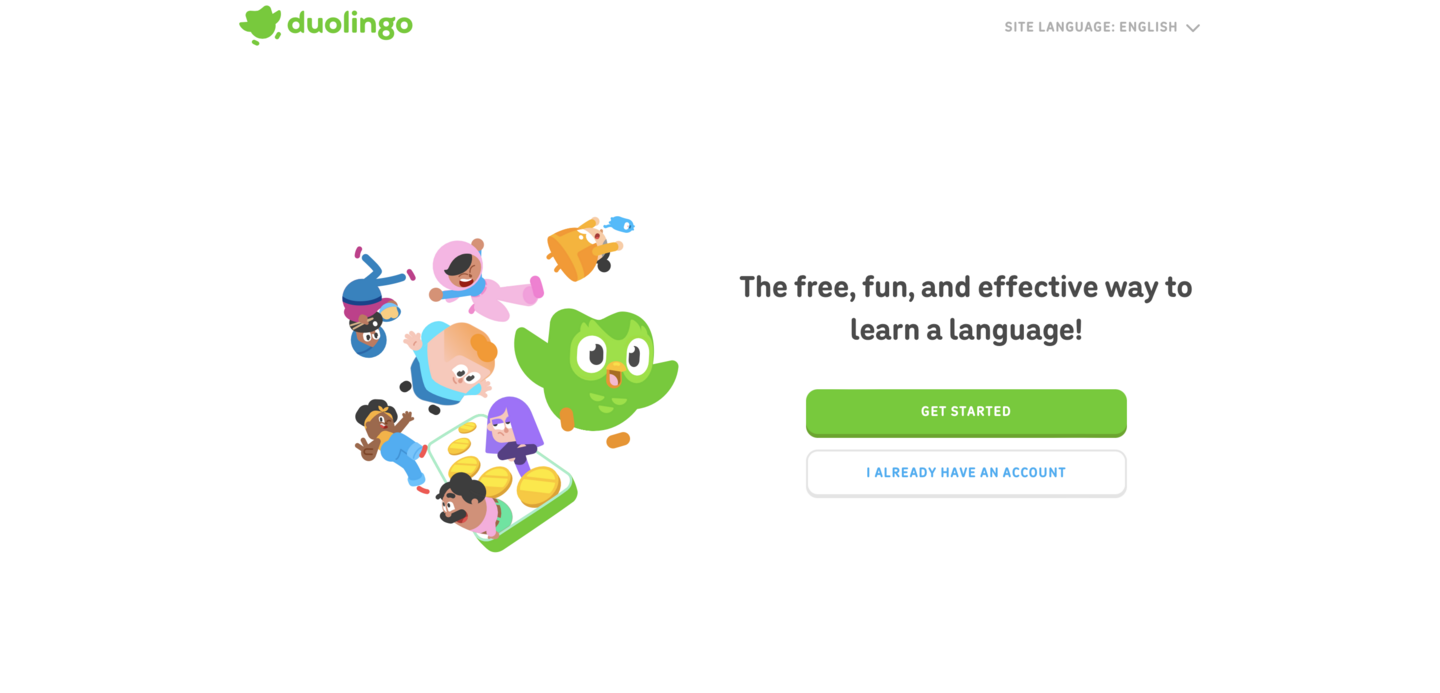
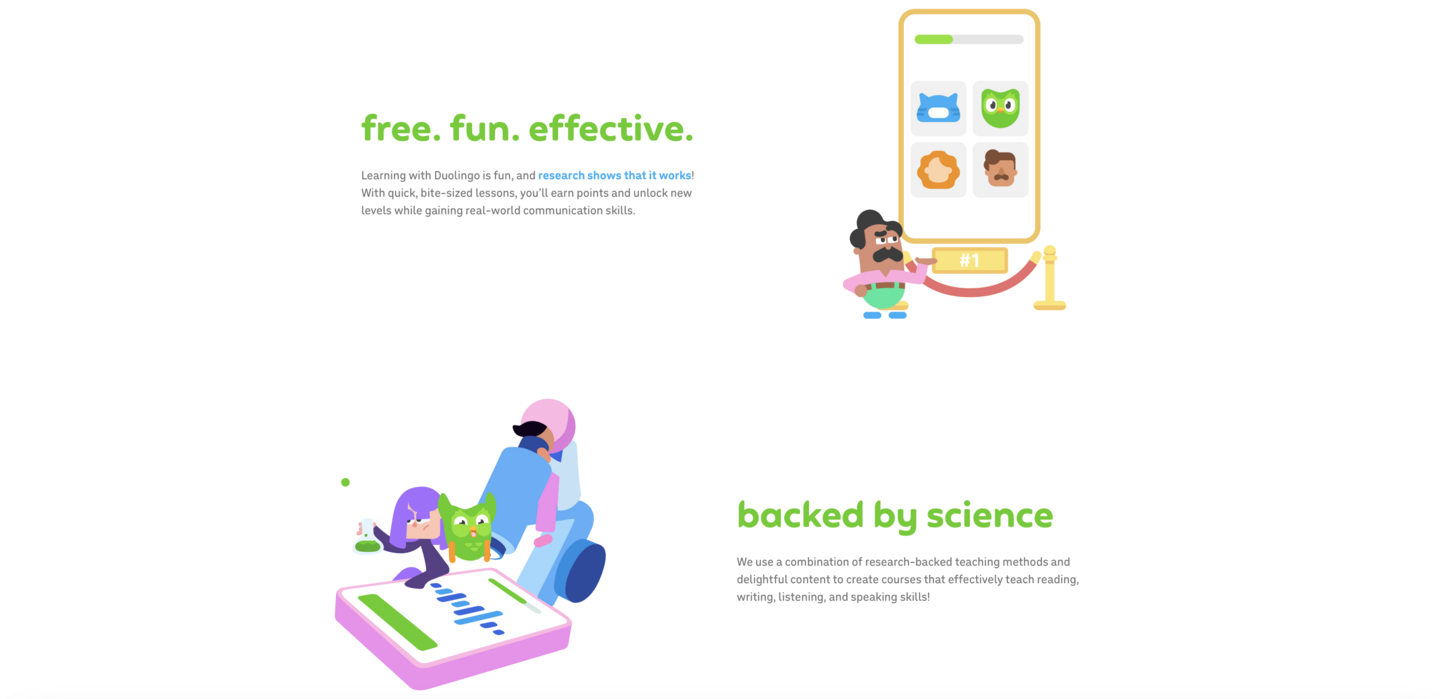
Slogan: «The free, fun, and effective way to learn a language.» Core positioning message: Gamification of education. Duolingo’s visual identity is built on three pillars: a vibrant flat design, childlike illustrations and an anthropomorphic mascot.
Unlike academic services (Rosetta Stone, Babbel), Duolingo positions itself not as a «school on your phone» but as a mobile game you play while learning.
Key pillars of its positioning:
- Freemium: basic functionality is free; monetisation via Super Duolingo and ads.
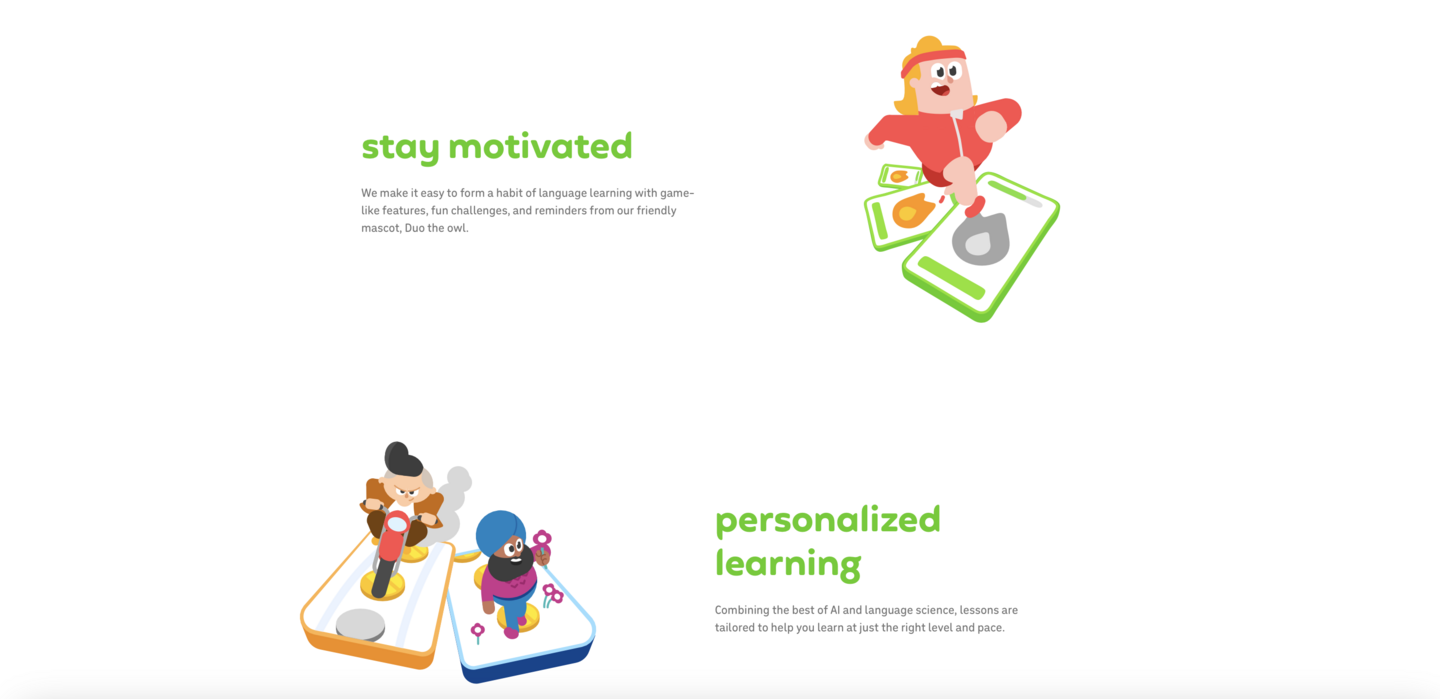
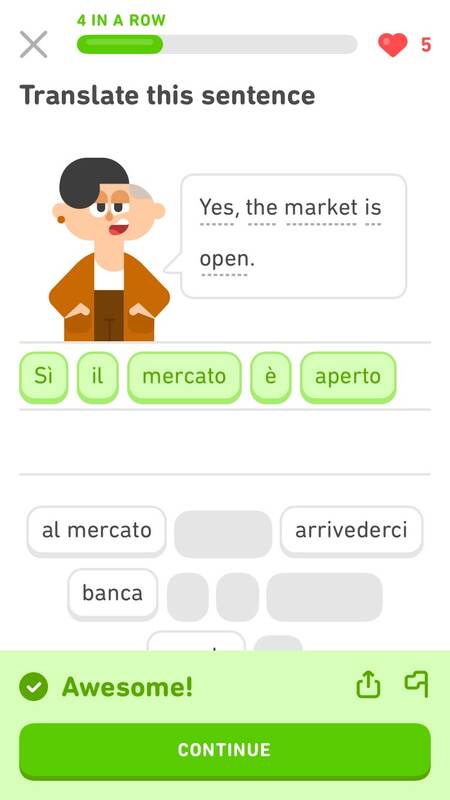
- Game mechanics: leaderboards, streaks, lives, achievements, crystals — turning routine into addiction.
- Mascot as the heart: Duo is not just a logo but a full character with personality, centred in all communication.
Key insight: Duolingo sells discipline through chaos. The brand deliberately avoids the «strict teacher» image, replacing it with an «emotional, toxic, yet beloved friend». This creates a unique tension: the product demands daily routine, while the communication mocks that very routine. This paradox is the focus of our theoretical analysis.
Target Audience
The brand targets a broad but clearly segmented audience: — Gen Z & Millennials (core): Aged 16–35, used to memes and clip-based thinking. The visual language and bold tone are tailored to them. — Motivated beginners: Learning «for themselves» (travel, personal growth) without academic pressure. — Kidults: Adults nostalgic for games and rewards. Duolingo offers light entertainment with bright animations and achievements.
The audience follows Duolingo not for grammar but for entertainment (laughing at the owl’s absurd threats), social integration (belonging to the «Duolingo victims» community), and anxiety relief (legitimising procrastination and mistakes, reducing the fear of learning)
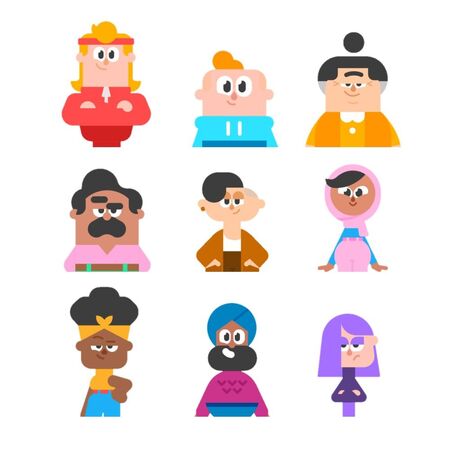
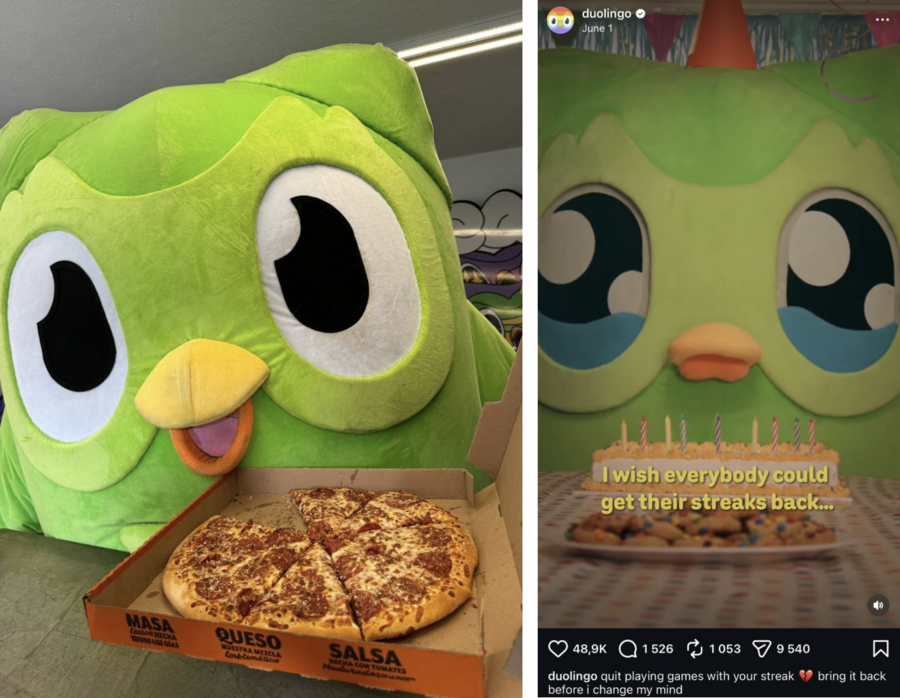
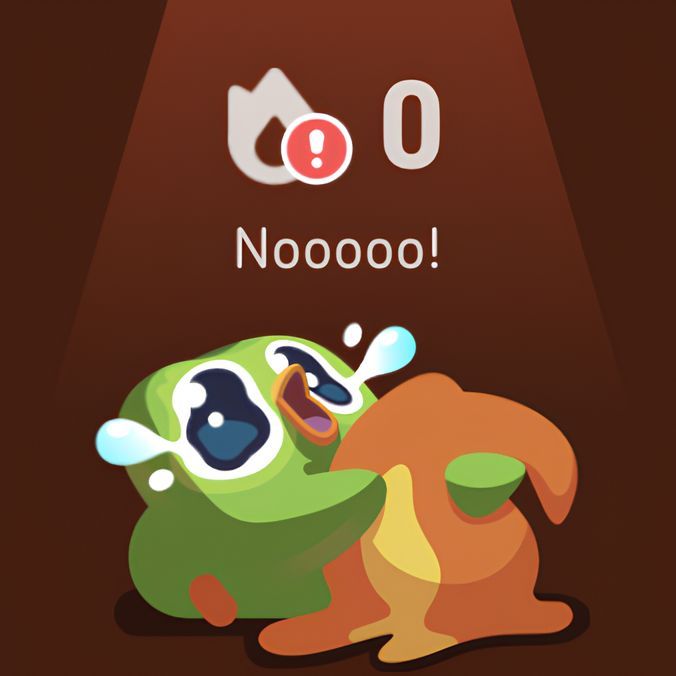
The brand’s main spokesperson is Duo the Owl, a fully-fledged character entrusted with nearly the entire visual strategy. Her expressions range from encouraging to menacing: if the daily streak is broken, the icon becomes tearful or passive-aggressive, creating emotional connection and a sense of guilt.
Research question:
Why is Duolingo’s ‘toxic’ communication strategy proving more effective than traditional PR models in the education sector?Project objectives:
— To systematise the brand’s communication channels. — To apply mass communication and PR theories to deconstruct the strategy. — To explain the phenomenon of Duolingo’s popularity through academic models (Usage and Gratification Theory and Dialogic Theory).Communication channels
Duolingo’s public image is built on ‘unhinged marketing’ — moving away from corporate messaging toward pop culture and absurd humour, with Duo as a self-deprecating, passive-aggressive, ‘toxic’ character obsessed with keeping streaks alive. Though famous for this chaos, in April 2026 the brand announced a shift toward a more balanced mix of ‘madness’ and friendly support. Duolingo uses an omnichannel approach, tailoring content to each platform so it feels native, not like direct advertising.
The app as a communication channel:
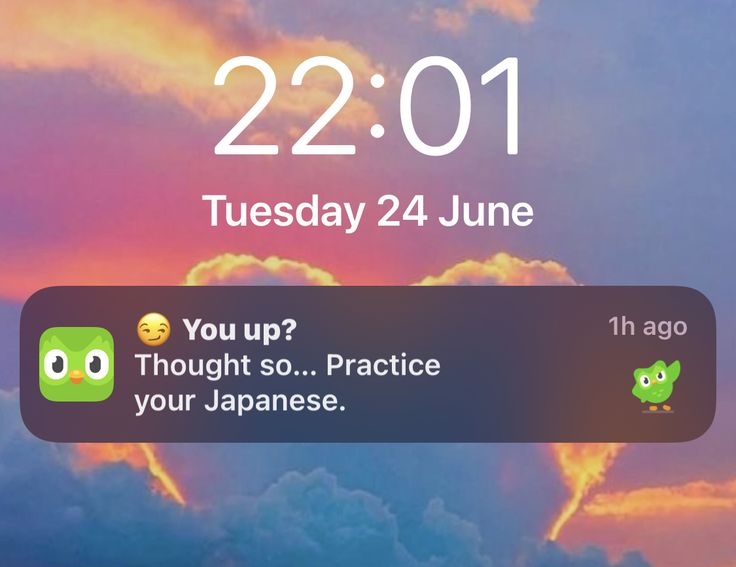
— Push notifications and emails: legendary passive-aggressive tone and guilt for missing a lesson, turning a casual download into a daily habit. — App icon: changes with your streak — happy owl or disappointed look. Visual communication that works without words. — Email newsletters: same principle. «Don’t upset the owl.»Social media is key to Duolingo’s strategy:
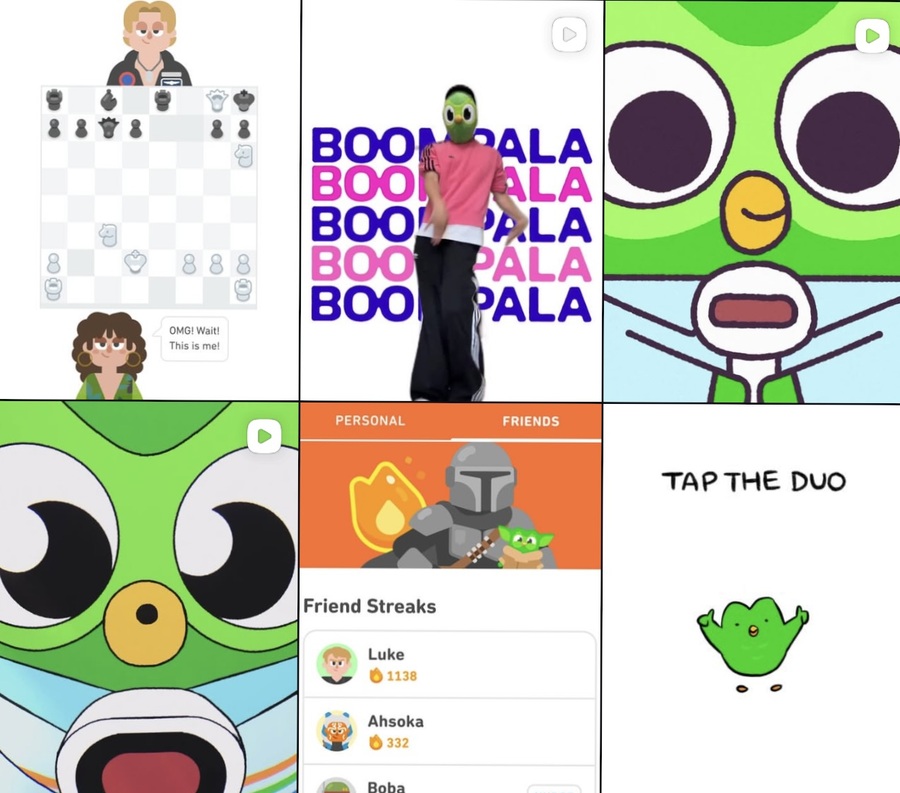
— TikTok and Instagram: trend-jacking with absurd sketches that feel like user content. Goal: memorable, hilarious moments, not subscriptions. — Dancing and trends: Duo dances, joins challenges, acts intentionally cringey — because cringe drives engagement. — Comments and duets: replies with irony and self-deprecation, often mocking itself. — Collaborations with creators: Duo «pops up» in popular videos for surprise.PR strategy: ‘The brand is just one of the lads’. Duolingo doesn’t try to come across as an expert, but instead acts like just another social media user. This breaks down barriers and builds loyalty through humour. They’re not afraid to be silly, and that’s why people love them.
The dominant emotion it creates: affectionate dread. The owl is threatening, but users root for it. That tension is the entire brand.
Core personality of the Page:
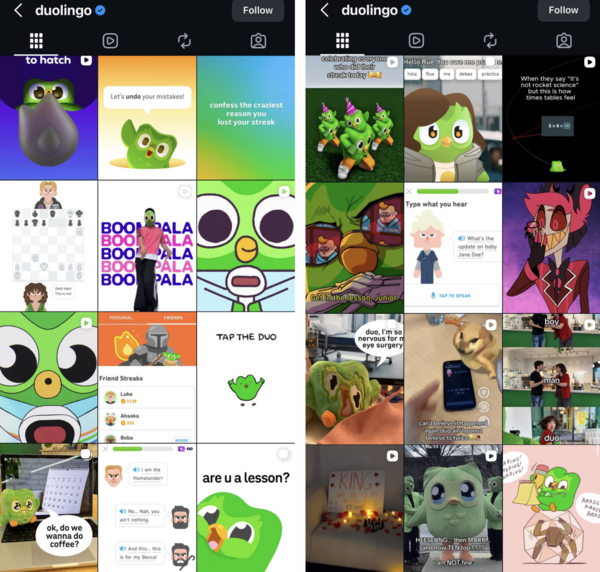
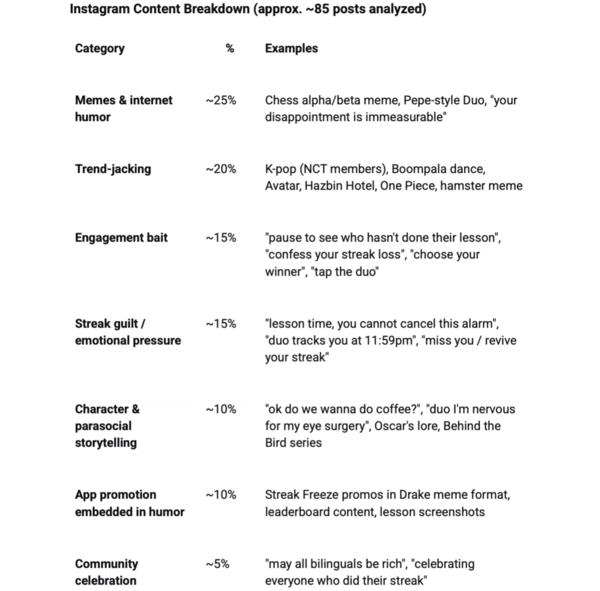
chaotic, self-aware, emotionally manipulative — by design. The account operates as a media personality, not a brand.- Its own narrative universe: recurring characters (Oscar, Lily, Junior), an anime series («Behind the Bird»), lore, and inside jokes.
- Parasocial relationship strategy: Duo reacts to real events, expresses emotions, and «talks» to users as individuals («Hello Rue», «I’m nervous for my eye surgery»).
- Zero traditional advertising language: product features appear only in memes or absurdist humour (Streak Freeze via Drake format).
- Extreme trend velocity: K-pop, viral dances, anime releases — referenced within days.
- Guilt loop mechanic: posts entertain you while reminding you haven’t done your lesson.
Theoretical framework
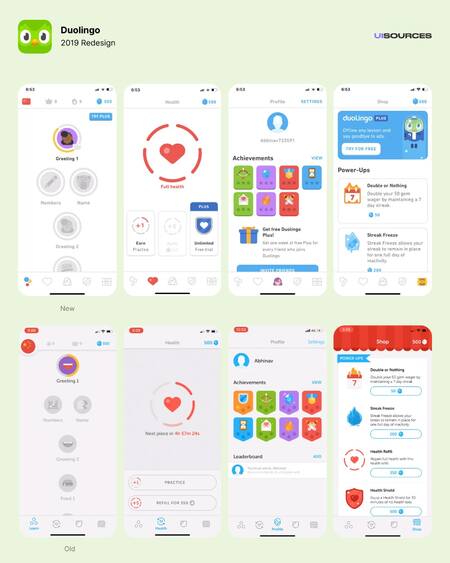
UGT (Blumler and McQuail, 1970s–1980s) emerged as a response to the fact that earlier media effects theories oversimplified human behaviour. Researchers observed that the predictive power of direct-impact models was lacking—the audience is by no means a passive recipient. The key idea of UGT: people are active and act consciously. We choose content ourselves to suit our real needs.
The five assumptions of UGT:
- Goal-setting.
- Needs as the basis for choice.
- Media competition.
- Capacity for reflection (controversial).
- Semantic variability.
Maslow’s hierarchy of needs in the media world:
- Physiological needs — text a friend: ‘Bring some food over’; order a delivery.
- Safety — watch a film where ‘the good guy always wins’ to feel a sense of order and stability.
- Belonging — get hooked on a TV series. This creates a parasocial relationship effect: you start to worry about the characters as if they were old friends.
- Respect — browse educational content, life hacks and tips to feel more competent.
- Self-actualisation — creating your own content (UGC). Sharing ideas, getting likes and comments — this is the pinnacle of self-expression.
In the 1970s, Blumler and McQuail empirically identified four dimensions of needs satisfied through the media: escape, personal relationships, personal identity, and observation.

Dialogic theory (Pearson, Kent, Taylor) on how PR professionals can build relationships with the public in a human way. The key principle: be prepared to communicate honestly and openly. Dialogue is not simply ‘sending a message’, but a mutual exchange of ideas in which the Other is respected. Five characteristics of dialogue: reciprocity, immediacy (‘here and now’), empathy, risk, commitment.
For dialogue to take place in a digital environment, mere desire is not enough — technological and procedural conditions are required:
- A dialogue loop (ask a question — get an answer).
- Useful information.
- Generating return visits.
- An intuitive interface (no more than three clicks).
- Retaining visitors (do not drive them away from the site).
Our analysis will therefore be based on the intersection of two concepts:
- UGT will help us understand the audience’s motivations: specifically, which needs (entertainment, social integration, identity) the audience fulfils by engaging with the brand’s content.
- Dialogic theory will explain the mechanics of interaction: how the brand constructs the communicative environment, adhering to or violating the principles of the dialogic loop, empathy and the usefulness of information.
Communication analysis
An analysis through the lens of UGT: what needs does Duolingo’s content meet?
This post illustrates the ‘Diversion’ motif identified by Blumler and McQuail. According to Lecture 5.7, this motif is realised through an escape from routine and emotional release. The content has no educational value: there is no grammar, vocabulary or call to download the app. The mascot’s absurd choreography and distorted sound exploit the ‘brain rot’ aesthetic characteristic of Gen Z. The viewer satisfies a hedonistic need for emotional release — they laugh at the character’s antics and are temporarily distracted from their everyday problems. This supports Blumler and McQuail’s argument that audiences deliberately choose entertainment content to restore their psychological well-being.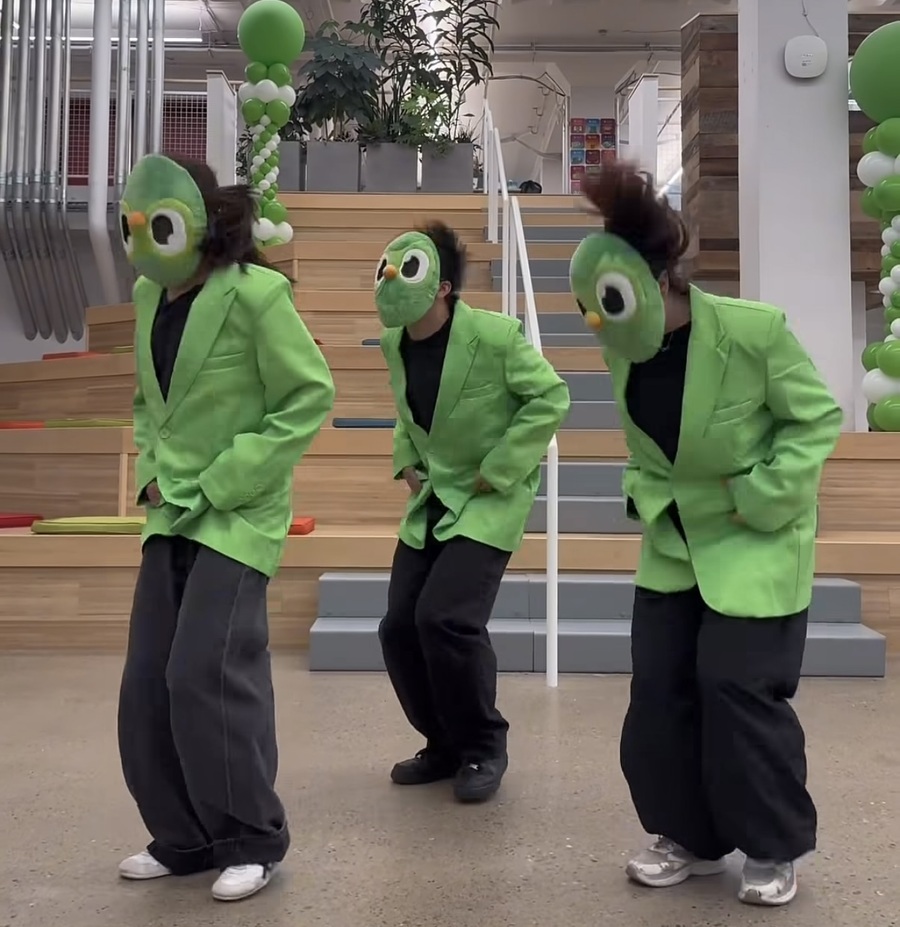
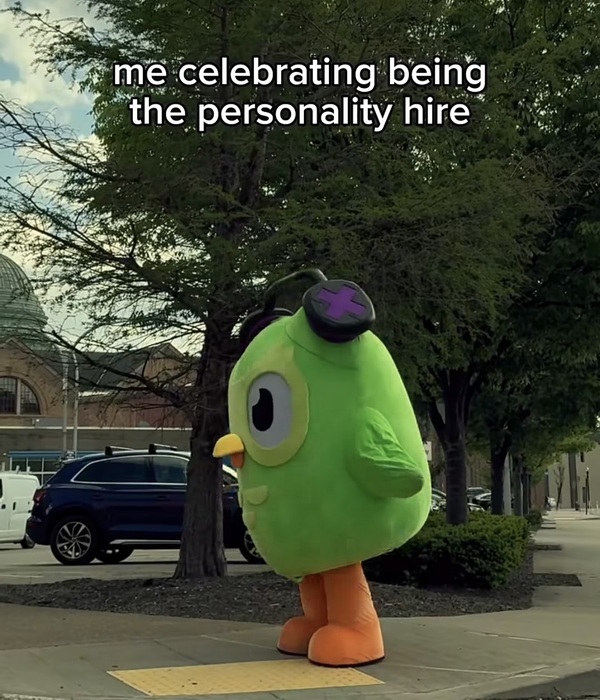
This is where the ‘Personal Relationships’ motive comes into play. According to Blumler and McQuail, this motive involves the use of media content as ‘social currency’ for interacting with one’s real-world environment. UGT research shows that people share content not for the sake of the content itself, but to strengthen social bonds. The phrase ‘Spanish or Vanish’ became an internet meme precisely because users forward it to friends who are learning languages. Sharing such content creates a shared frame of reference: ‘I sent this to you because we both know what it’s like when the owl is looming’. In this way, Duolingo’s media content becomes a tool for social integration.


This case study illustrates the phenomenon of parasocial relationships. According to Lecture 5.7, when viewers watch TV series over a long period, they form an empathetic bond with the characters — they feel part of their lives. Duolingo deliberately constructs such a bond with its mascot. The owl ceases to be a logo and becomes a ‘personality’ with emotions and a daily life. Users, when commenting on Duolingo’s ‘mood’, display behaviour characteristic of real interpersonal relationships: care, irony, empathy. This confirms the thesis that the audience can build personal relationships not only with real people, but also with media characters, satisfying their need for belonging. This is ‘Personal Identity’ in action: audiences use media to reinforce self-definition through group membership. Commenters identify as part of the ‘Duolingo victims’ community — a streak becomes pride, answering ‘Who am I? ’ with ‘Someone who learns daily, even under threat from the owl.’