Nike is the world’s leading athletic footwear and apparel brand, founded in 1964. The brand represents performance, innovation, and athletic excellence.
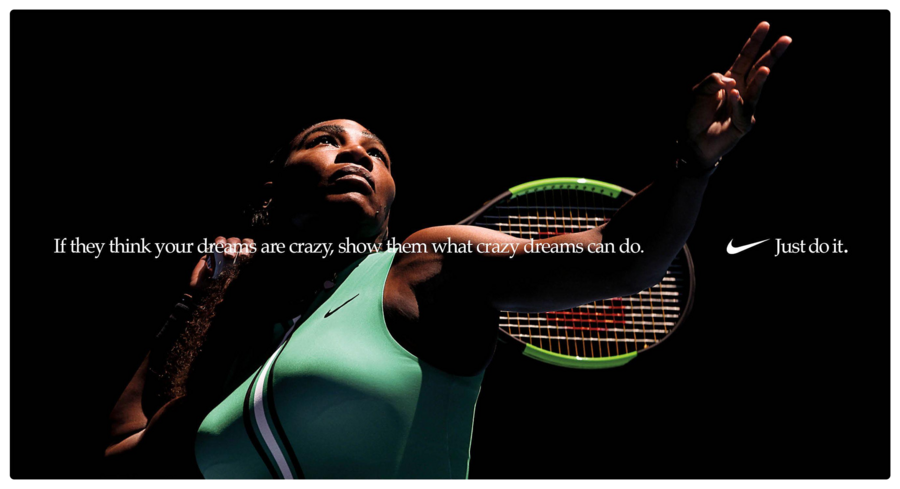
The brand’s core positioning is built around empowerment and motivation, expressed through the message like «Just Do It.» It emphasizes premium athletic performance products while also connecting sports culture with everyday lifestyle, creating a brand image that is both functional and aspirational. Innovation is another key part of this positioning, with a strong focus on combining technology and design.
The target audience includes athletes and fitness enthusiasts aged 18 to 45 as the primary group. A secondary audience consists of lifestyle consumers who are attracted to athletic-inspired fashion. In demographic terms, the brand appeals mainly to middle and upper-middle class consumers in urban and suburban areas, while its psychographic profile includes people who are achievement-oriented, health-conscious, and trend-aware.
2. COMMUNICATION CHANNELS
The brand’s PR strategy is centered on building emotional connection, credibility, and cultural relevance through athlete endorsements, sponsorships, cause marketing, product launches, and storytelling campaigns. It uses partnerships with top athletes to strengthen brand authority, major sports sponsorships to expand visibility, social justice and sustainability initiatives to reinforce values, exclusive product drops to create hype, and emotional narratives to make the brand feel inspiring and relatable.
These strategies are then brought to life through a carefully chosen mix of media platforms. Instagram is used for visual storytelling, athlete partnerships, and product launches; Twitter/X supports real-time sports engagement and customer service; TikTok helps reach younger audiences through viral challenges and creator collaborations; YouTube is used for longer-form content such as documentaries and campaign films; and Facebook supports community building and broad audience reach. Together, these channels allow the brand to turn its PR strategy into a consistent and engaging public image.
3. THEORETICAL FRAMEWORK
Theory 1: Uses and Gratifications Theory
Why this theory? It analyzes how Nike’s audience actively seeks and uses their social media content to satisfy specific needs. The four key gratifications are information, including product specs, release dates, and athlete news; personal identity, including association with athletic excellence and the «Just Do It» mindset; integration and social interaction, including community membership and shared values; and entertainment, including engaging content and inspiring stories.
Theory 2: Elaboration Likelihood Model
This theory is used because it examines how Nike uses both central and peripheral routes to persuade different audience segments. The application includes the central route through performance data and technology features such as Flyknit and Air cushioning, and the peripheral route through celebrity endorsements, emotional appeals, and aesthetic design.
4. ANALYSIS
Uses & Gratifications Analysis
Information Seeking: Visual evidence includes screenshots of product detail posts on Instagram, the SNKRS app interface showing release calendars, and Twitter announcements of new collections. These materials show that users follow Nike to stay informed about limited releases and product innovations. The brand satisfies cognitive needs through detailed product information, creating anticipation and reducing purchase uncertainty.
Personal Identity: User-generated content with the #JustDoIt hashtag, comments showing personal motivation stories, and profile pictures with Nike products illustrate how consumers use Nike content to construct and express their athletic identity. Association with the brand signals values of determination, excellence, and an active lifestyle.
Social Integration: Community challenges such as Nike Run Club screenshots, comment sections showing community interaction, and shared workout achievements demonstrate how Nike creates virtual communities through apps and social media. This fulfills belonging needs, as users connect through shared athletic goals and brand loyalty.
Entertainment: High-production campaign videos, behind-the-scenes athlete content, and creative TikTok collaborations show how Nike provides escapism and enjoyment through cinematic storytelling and inspiring narratives, satisfying entertainment needs while building brand affinity.
Elaboration Likelihood Model Analysis
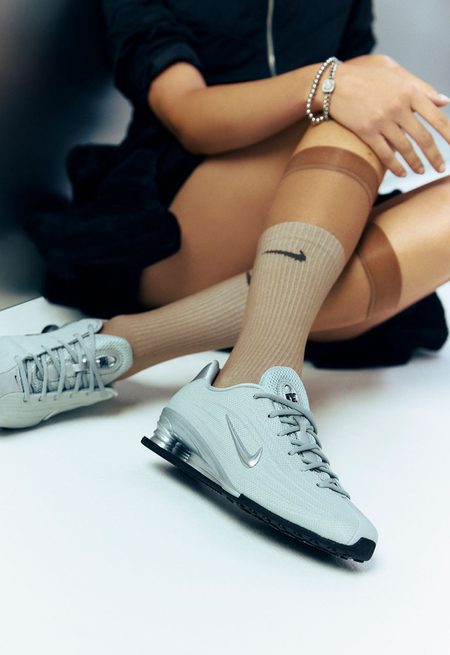
Central Route Processing: For high-involvement consumers (serious athletes), Nike provides detailed technical arguments. These users carefully evaluate performance claims, requiring factual persuasion through evidence. To achieve this, the brand uses technical specification posts, close-up visuals of product features such as air bubbles and material weave, as well as infographics about sustainability initiatives.
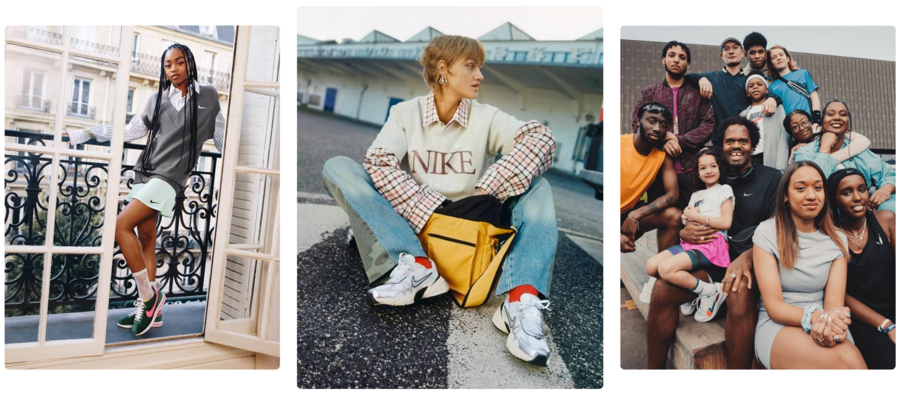
Peripheral Route Processing: For low-involvement consumers (lifestyle buyers), Nike uses peripheral cues — persuasion occurs through association rather than rational argument. To achieve this, the brand relies on celebrity athlete endorsement posts, aesthetic lifestyle imagery, and emotional campaign screenshots depicting themes of overcoming adversity.
Dual Processing Examples: Nike strategically employs both routes simultaneously, capturing different audience segments and processing styles within single pieces of content. This is achieved through posts combining athlete endorsement and product tech, Instagram carousels mixing emotional story with specifications, and campaign ads with celebrities explaining product features.