Данный проект является учебной работой студента Школы дизайна или исследовательской работой преподавателя Школы дизайна. Данный проект не является коммерческим и служит образовательным целям
Проект принимает участие в конкурсе

Rubricator

  1. Introduction
  2. Communication Channels
  3. Theoretical Framework and Analysis
  4. Conclusion and Recommendations
  5. List of Literature and Image Source
0

Introduction

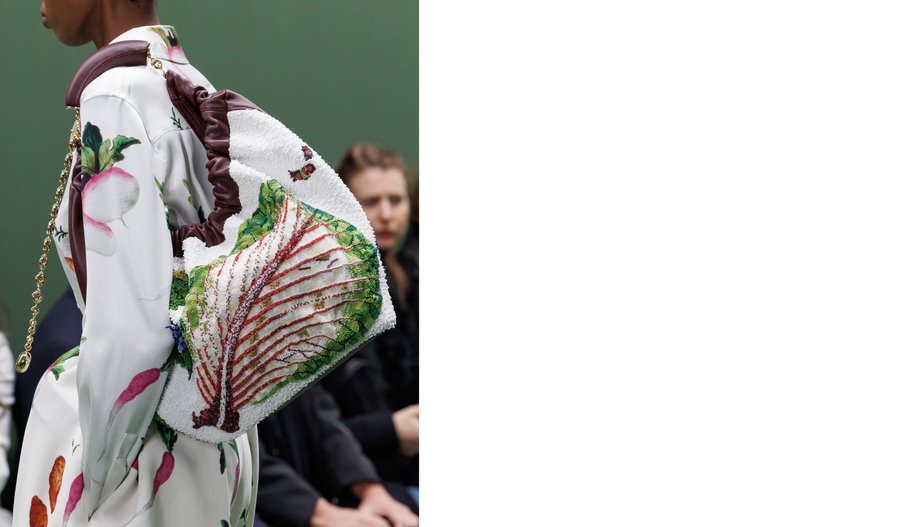
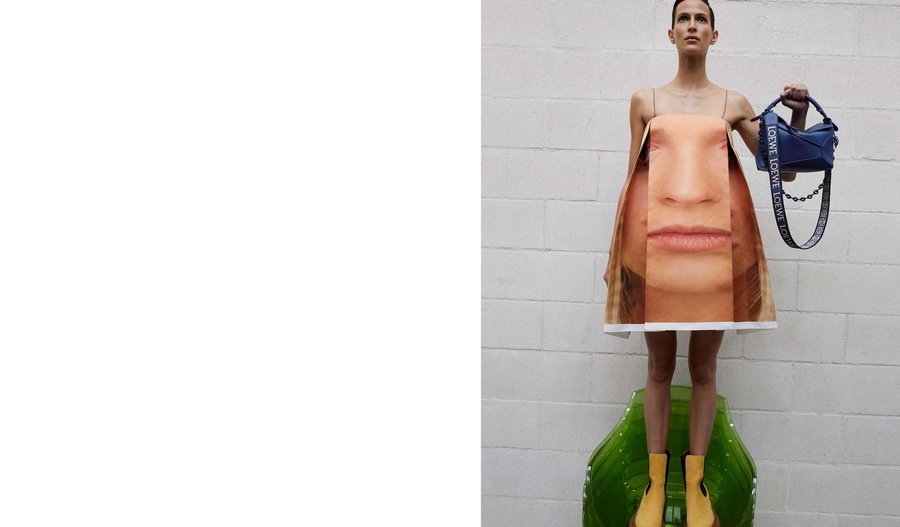
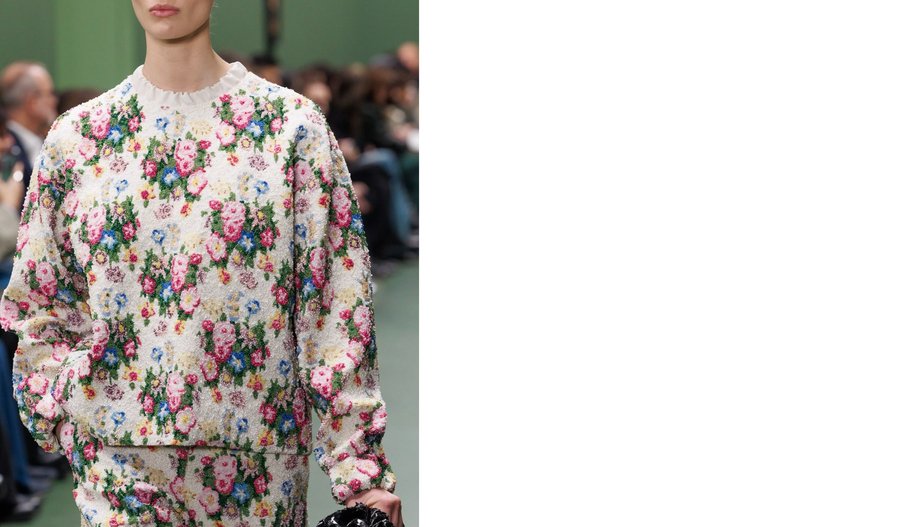
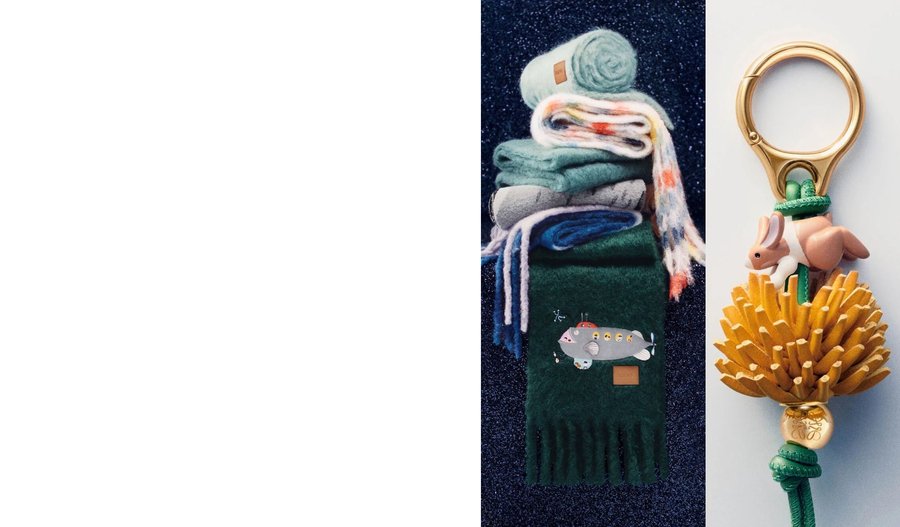
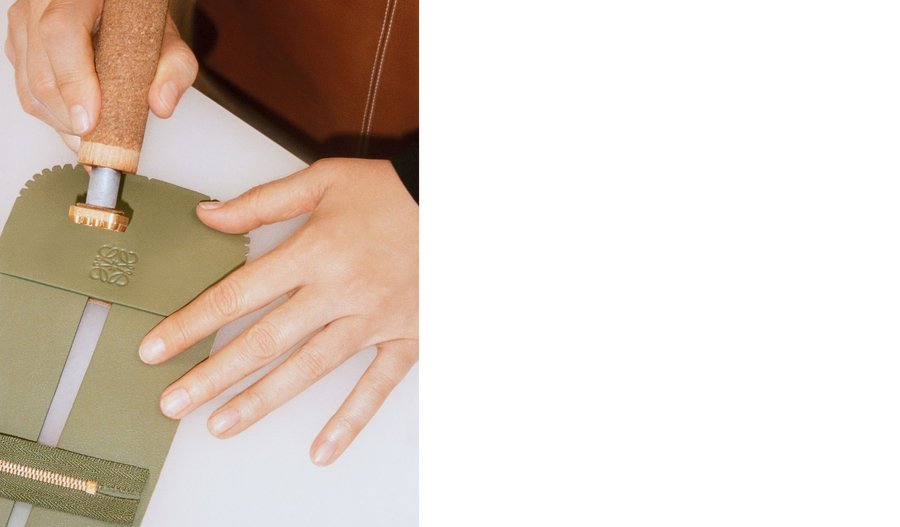
Loewe can be described as a Spanish luxury house that turns craft into culture.

Founded in 1846 in Маdrid as a collective of lеаther artisans, the brand combined heritage skills with conceptual art and digital communication under guidance of creative director Jonathan Anderson (2013–2024). In 2024/2025, Anderson was suссееded by Jack McCullough and Lаzaro Hernandez (founders of Proenza Schouler), who now steer Loewe’s visual identity and strategy.
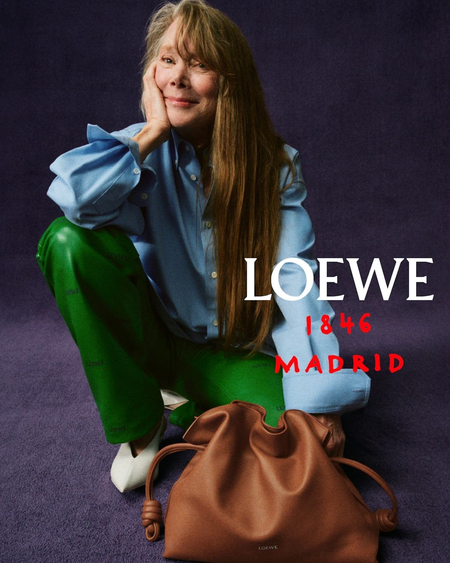
Core positioning: LOEWE sells cultural experience, not just fashion.
0
0

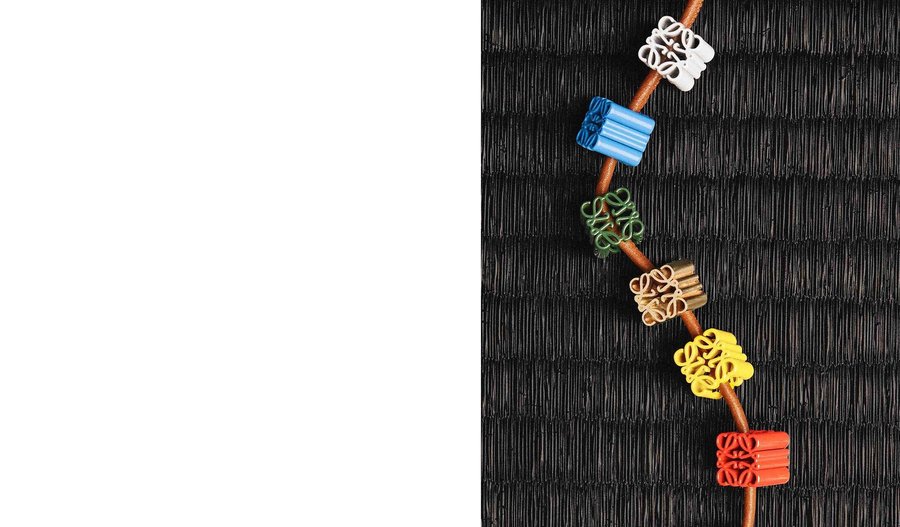
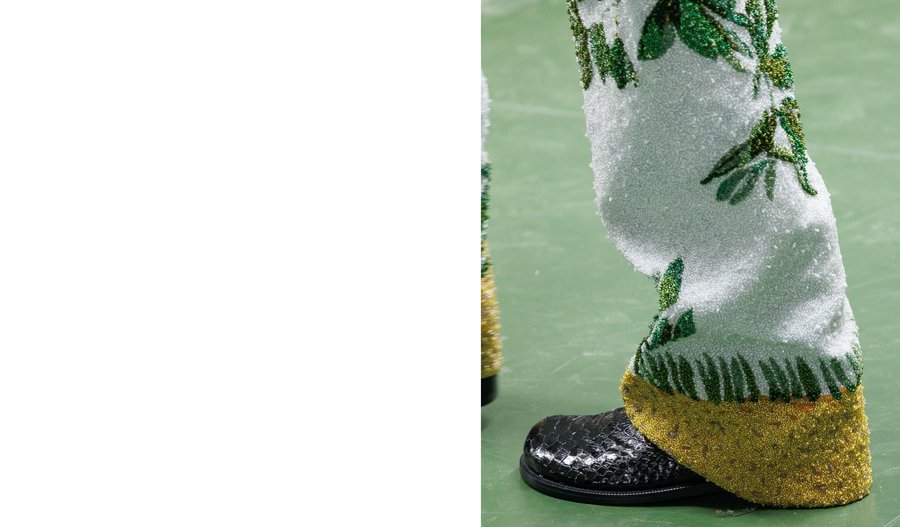
The brand builds its identity around artisanal authenticity, artistic collaborations (Studio Ghibli, Anthea Hamilton, On), and intellectual credibility (LOEWE Foundation Craft Prize).

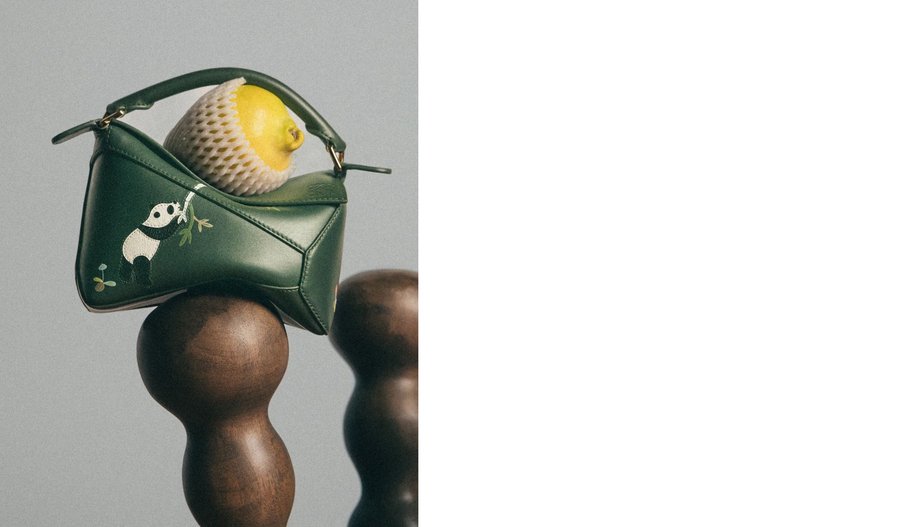
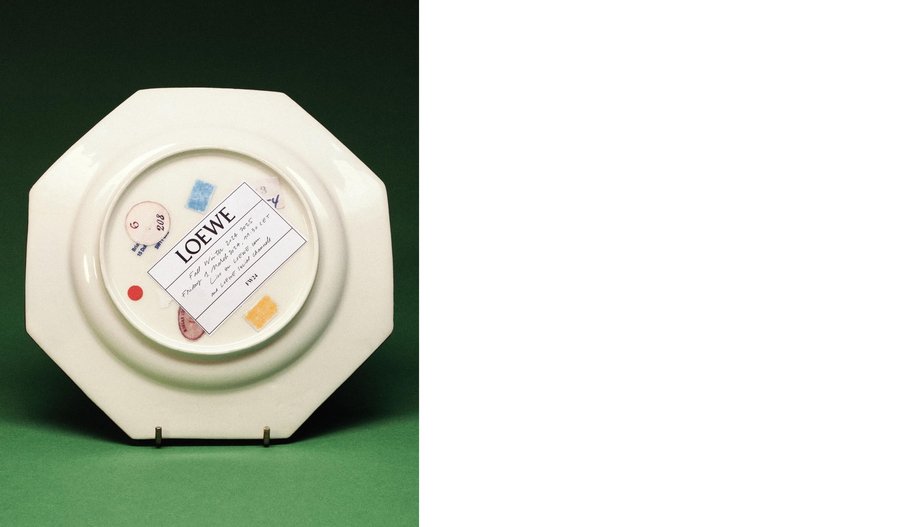
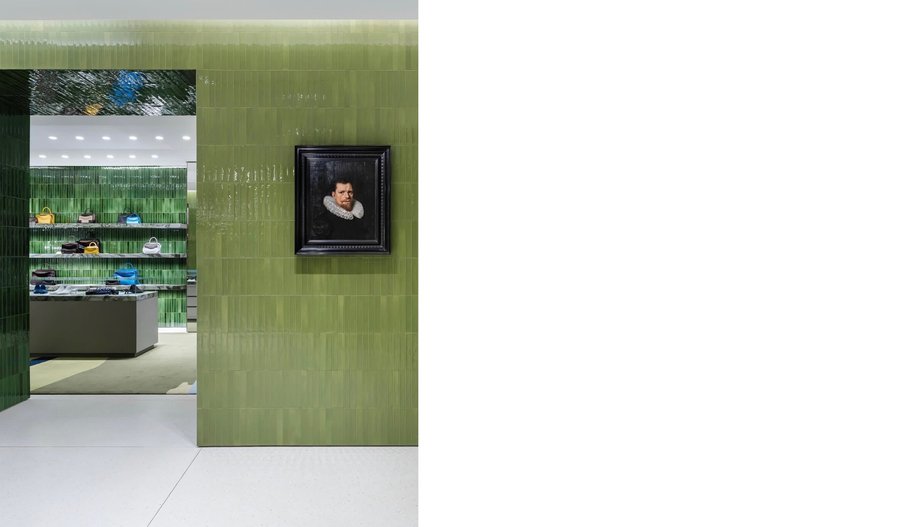
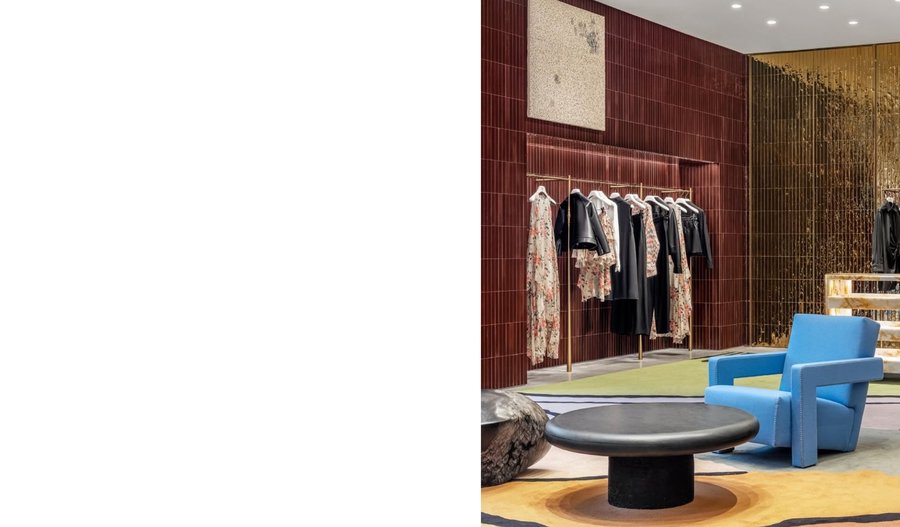
Its core idea is shopping as a cultural encounter: CASA LOEWE flagships resemble galleries, while online content ranges from surreal TikTok videos to documentary‑style YouTube craft films.
0

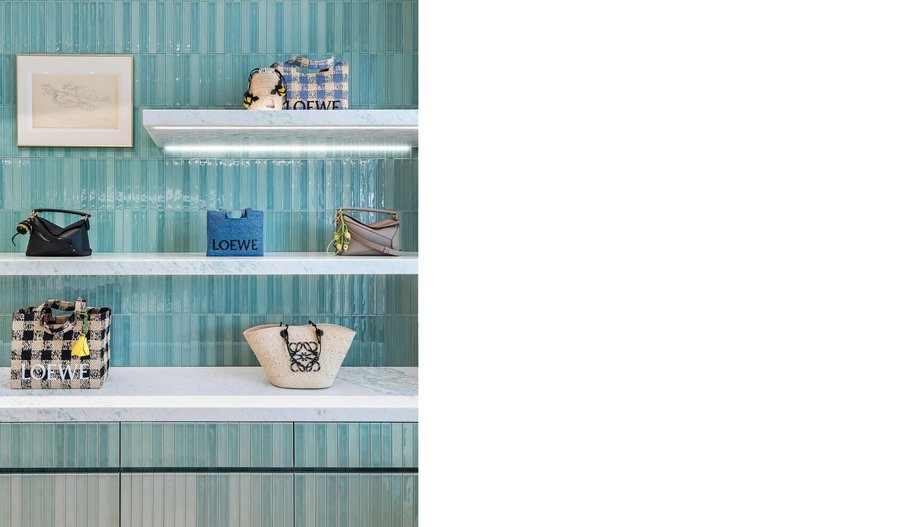
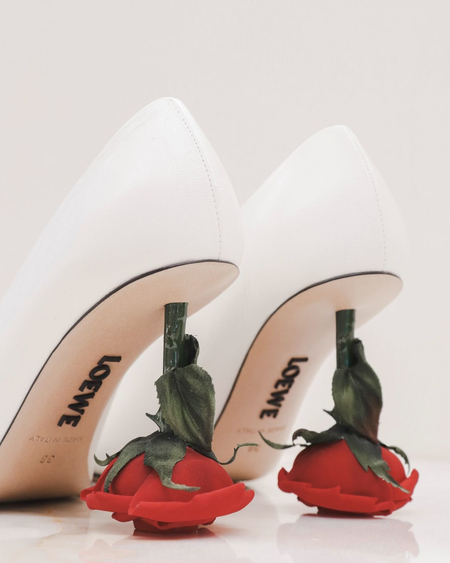
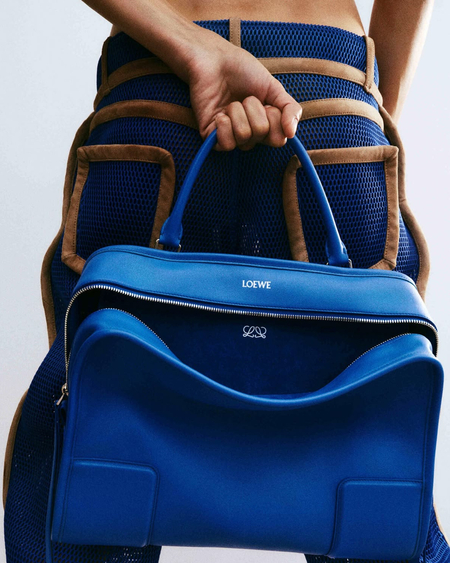
Products — from the Puzzle bag to ready‑to‑wear are presented as contemporary craft, not seasonal products.
Target audience

Primarily, consists of adults aged 22 to 45, with the core segment of 28 to 40 year‑olds representing an estimated 45‑50% of the brand’s consumer base, according to industry benchmarks for contemporary luxury leather goods.

Generation Z (ages 18‑24) accounts for a rapidly growing share — approximately 25‑30% of new customer purchases, driven by LOEWE’s successful TikTok and Instagram strategies.

The brand describes its users as culturally curious, aesthetically sensitive individuals who value craftsmanship over logos, dislike intrusive advertising, and seek meaningful storytelling. Geographically, Loewe concentrates on Europe, Japan, South Korea, the United States, and China, with the Chinese market contributing an estimated 35‑40% of global revenue.
0

Communication Channels

Official website

Loewe’s official website functions as both an e‑commerce platform and a brand environment. It is structured around product categories (woman, man, bags, shoes, ready‑to‑Wear) as well as editorial sections such as Runway and Craftsmanship, which mix shopping with storytelling.

The site also integrates client service tools — live chat, email support, and appointment booking for boutiques. This creates a practical communication layer where the brand supports direct communication with customers, from product inquiries to after‑sales care

Исходный размер 960x598

Social media

Loewe uses social media as a visual branding tool, not a customer service channel.

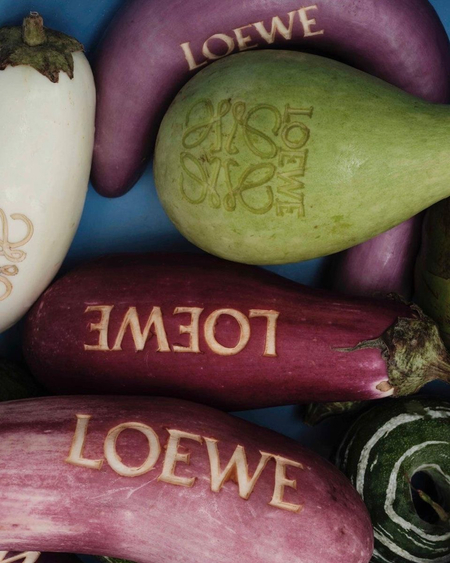
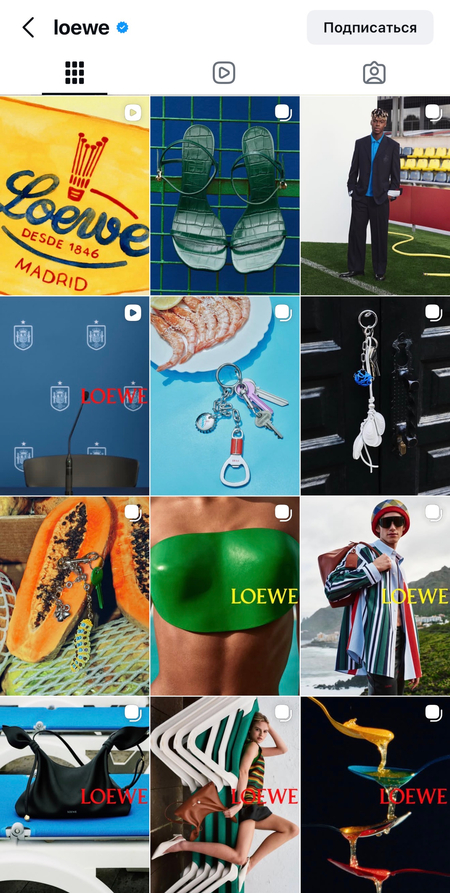
Instagram (6.8M followers) focuses on campaign imagery, surreal still lifes, and behind‑the‑scenes fragments — the tone is artistic, not conversational.

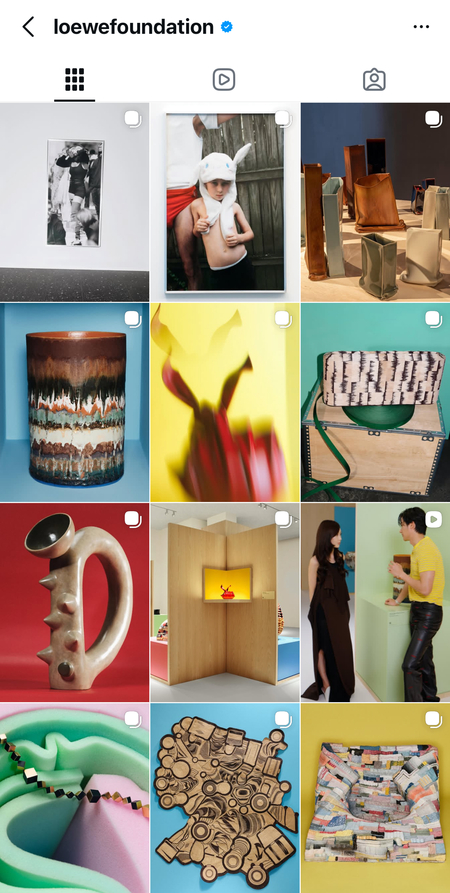
The brand also maintains a separate LOEWE Foundation Instagram account (222K followers), which documents the annual Craft Prize, exhibitions, and artisan stories, reinforcing Loewe’s positioning as a cultural institution rather than a purely commercial label.

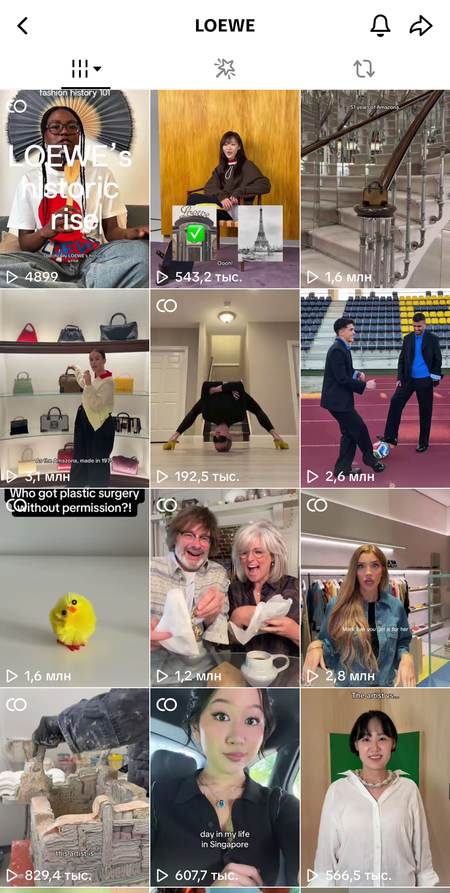
On TikTok (2.4M followers), the brand creates unusual, low‑production content (ceramic hands, surreal reveals) specifically for the platform, never reposting from Instagram. In China, WeChat, Weibo, and Xiaohongshu serve clienteling and peer reviews.

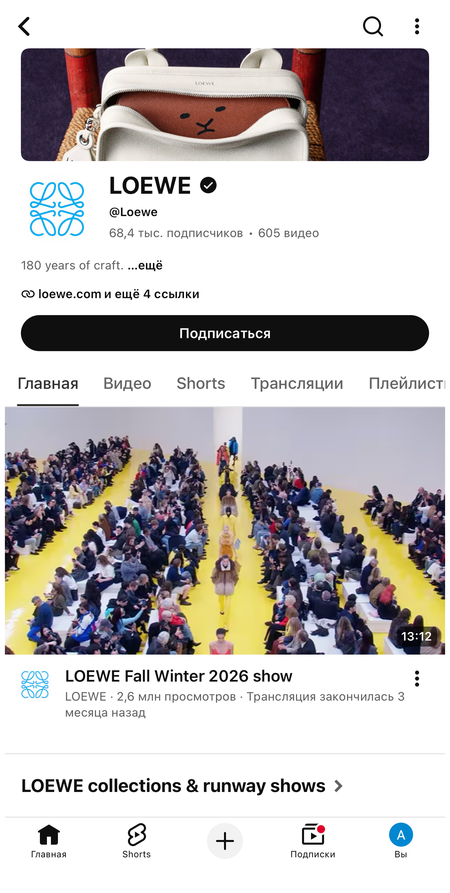
YouTube (68,4K+ subscribers) hosts runway shows and craft documentaries.
Cultural collaborations and campaigns

Loewe’s cultural collaborations function as curated events, not simple product drops. The Studio Ghibli capsules generated global sell‑outs and thousands of unboxing videos.

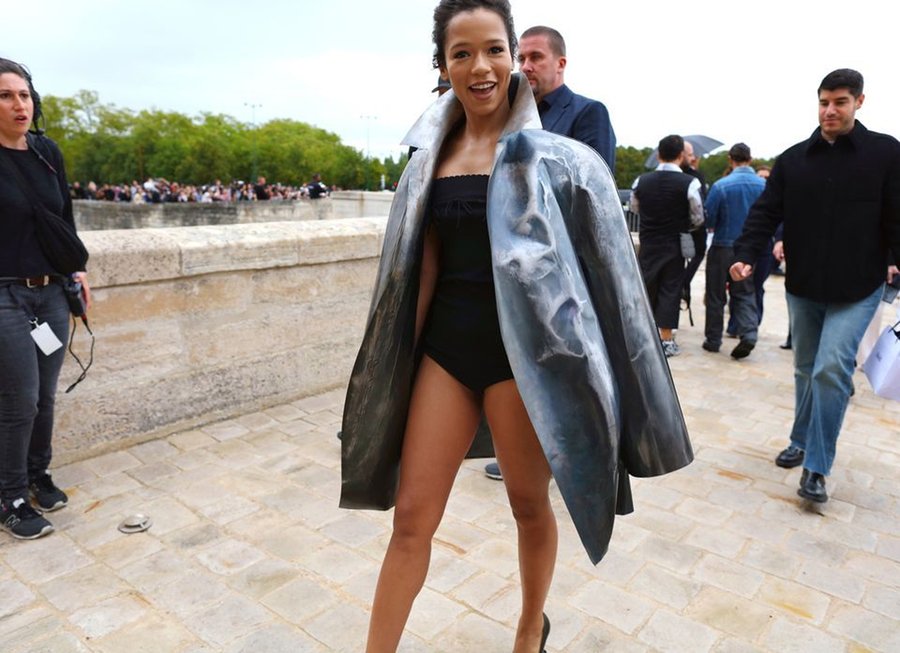
The LOEWE Foundation Craft Prize documentary series reaches audiences interested in materials and process. Ambassadors (Taylor Russell, Josh O’Connor, Tang Wei, Taeyong) embody artistic credibility and generate organic press coverage. Limited collaborations like Loewe x On create scarcity‑driven demand
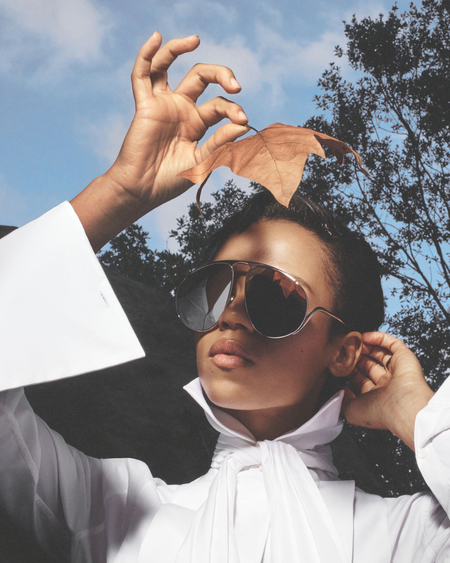
Offline and experiential communication
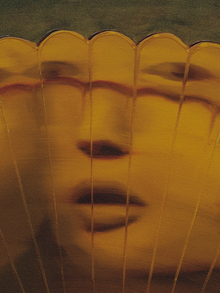
Offline, Loewe operates about 150 boutiques globally.

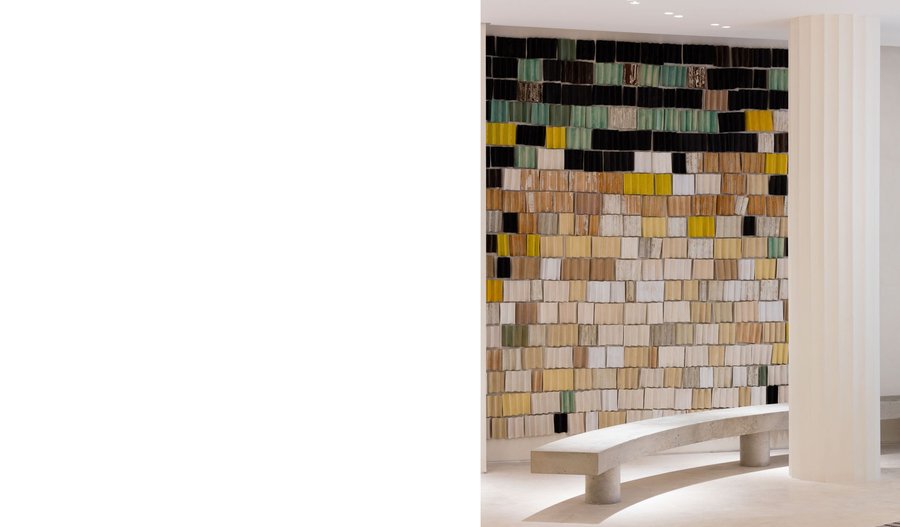
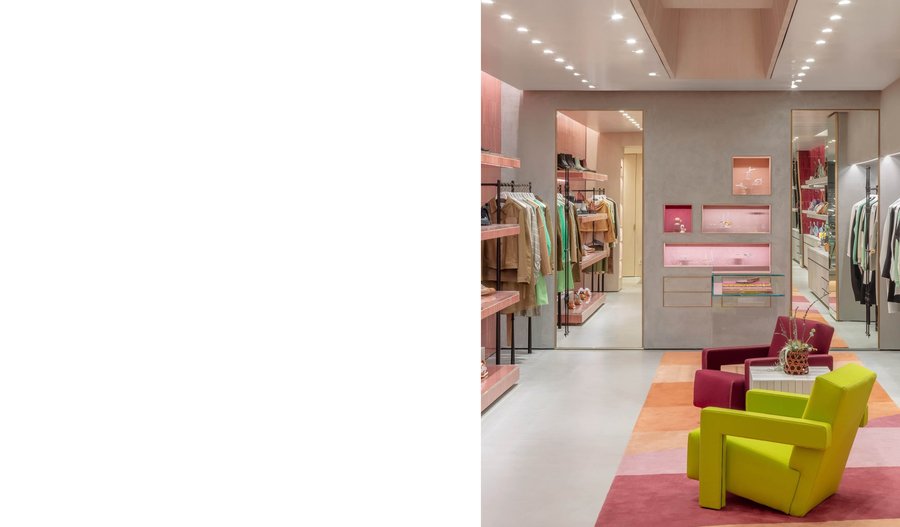
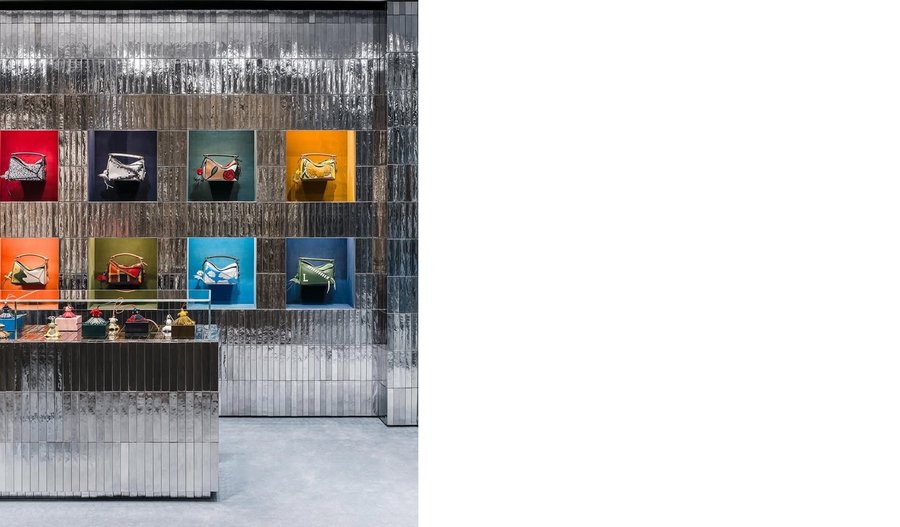
CASA LOEWE flagships (Madrid, London, Tokyo, Shanghai, New York) function as cultural hubs with art installations, book libraries, and craft demonstrations — not conventional stores.

The brand also uses pop‑up exhibitions (e.g., «Crafted World» in Shanghai) and selective wholesale partnerships (Harrods, Bergdorf Goodman). Together, online channels build desire and depth, while offline spaces create immersion

Сampaigns and Runway shows

Runway shows are central to LOEWE’s communication strategy.

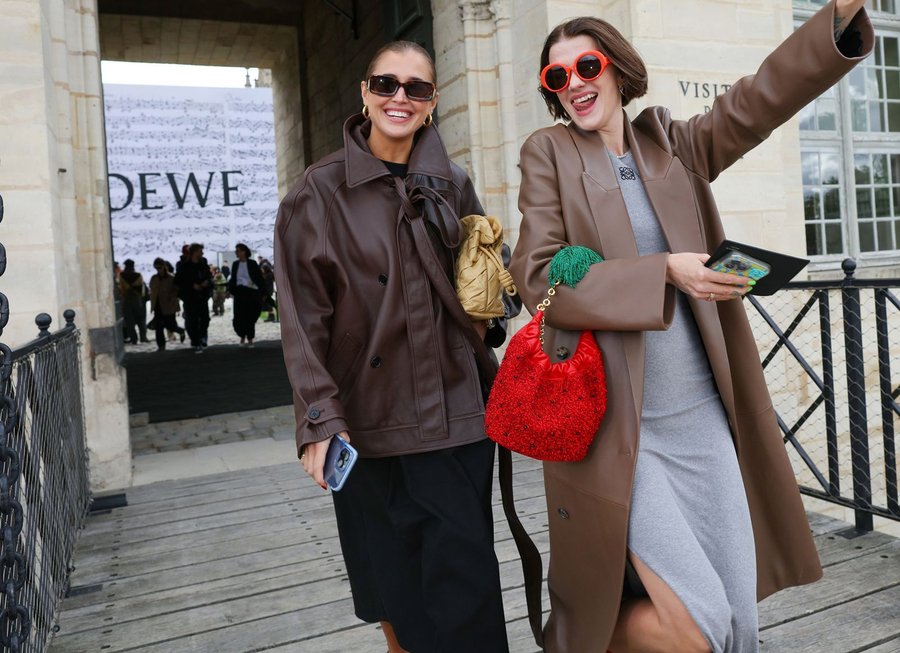
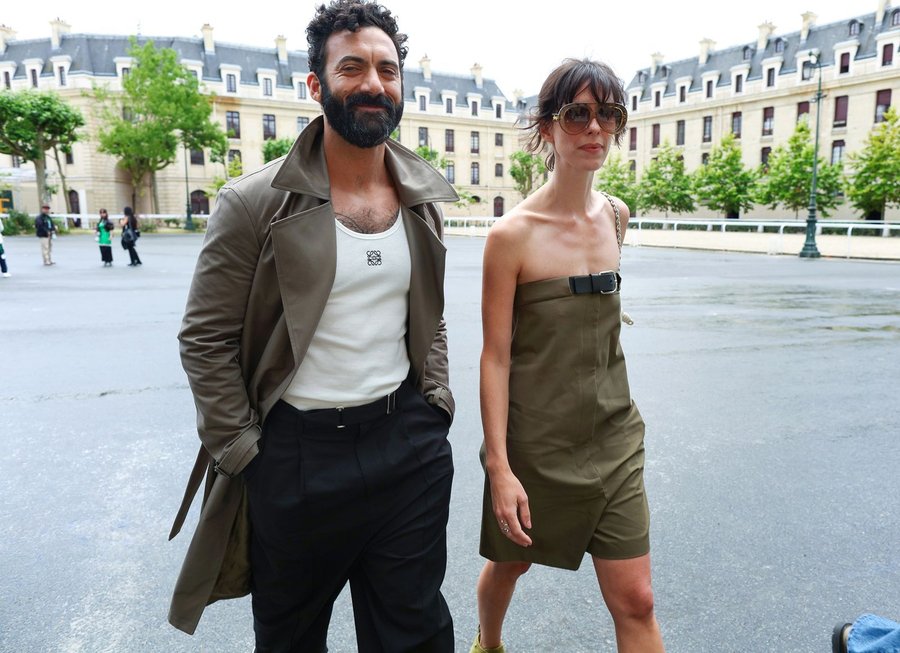
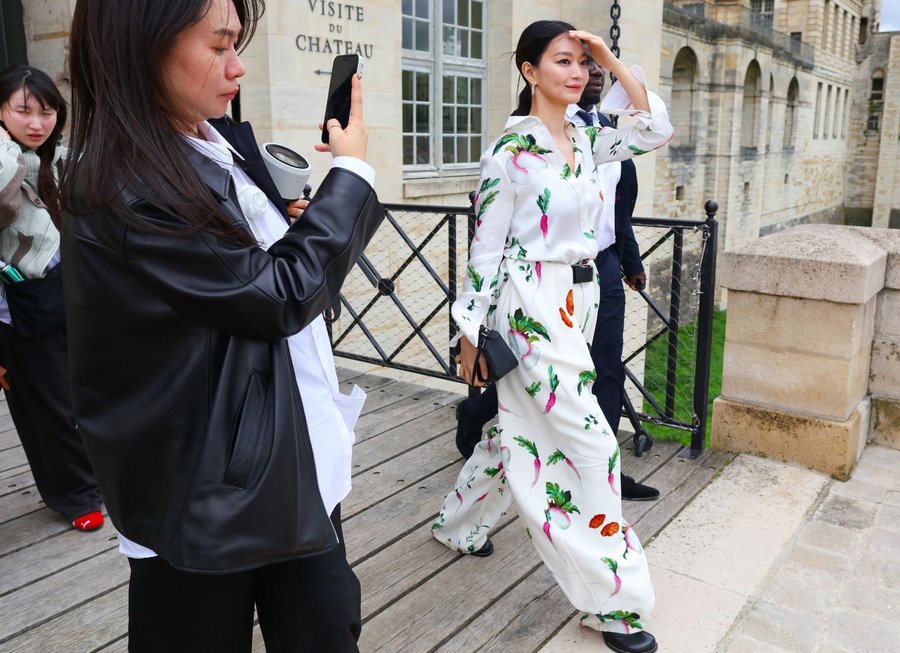
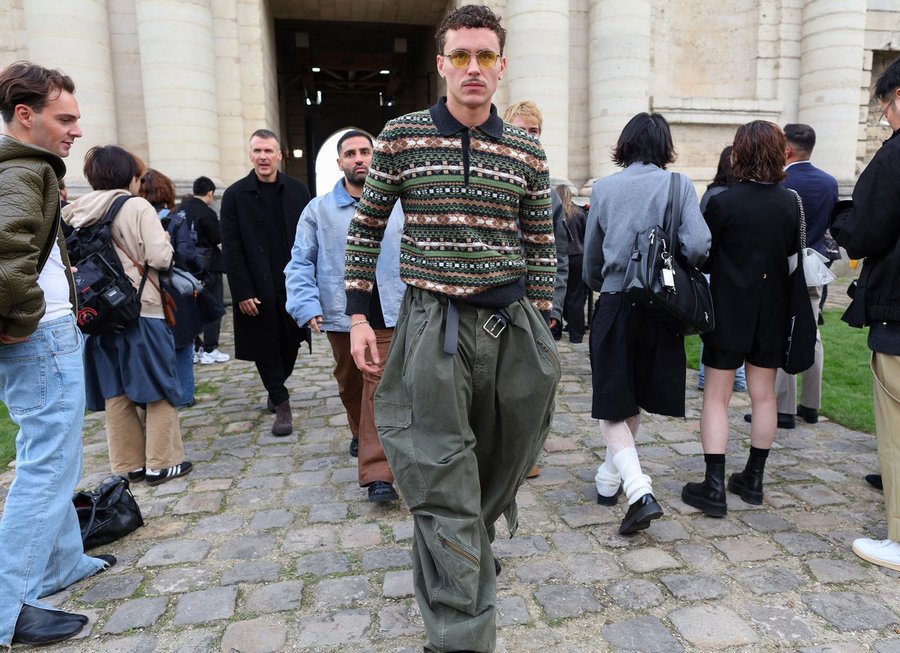
Each show is designed as a complete artistic statement — from casting and set design to music and styling. Loewe presents its collections during Paris Fashion Week, using the runway not only to display clothes but to communicate the brand’s intellectual and cultural vision.

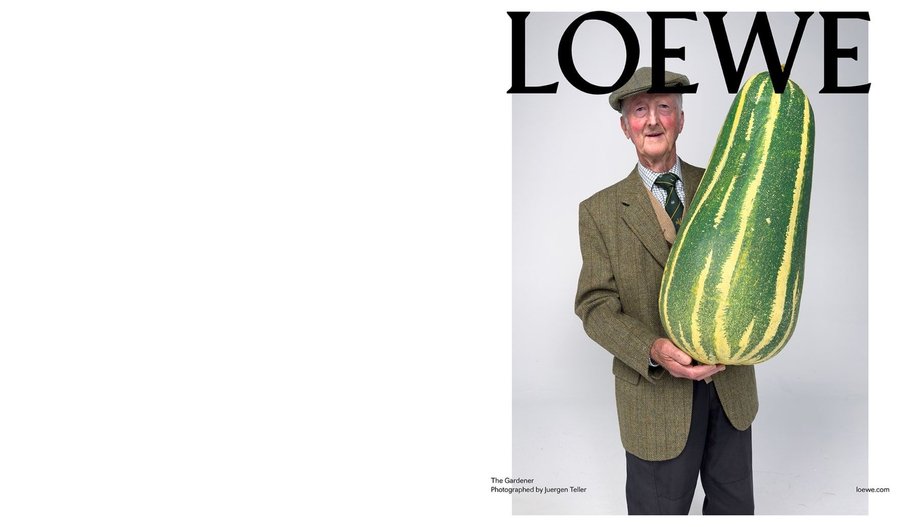
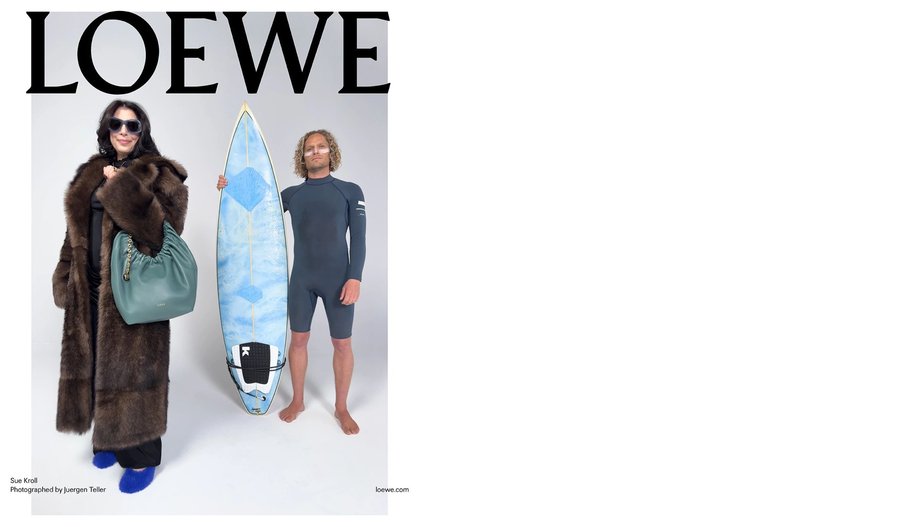
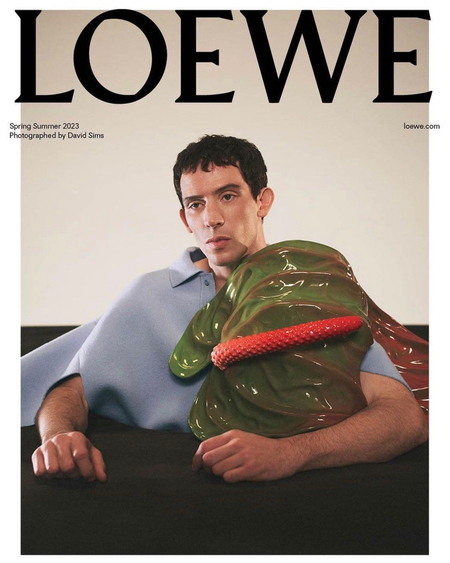
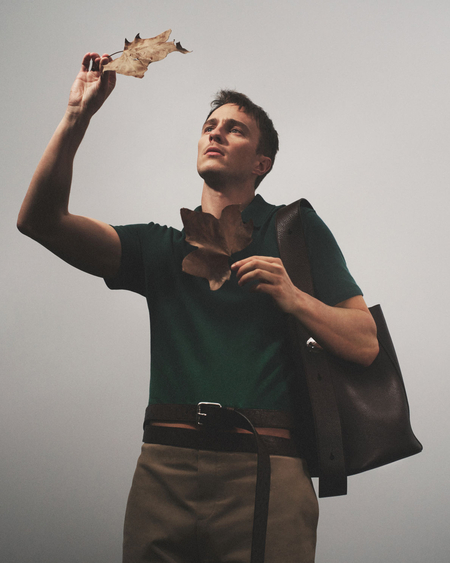
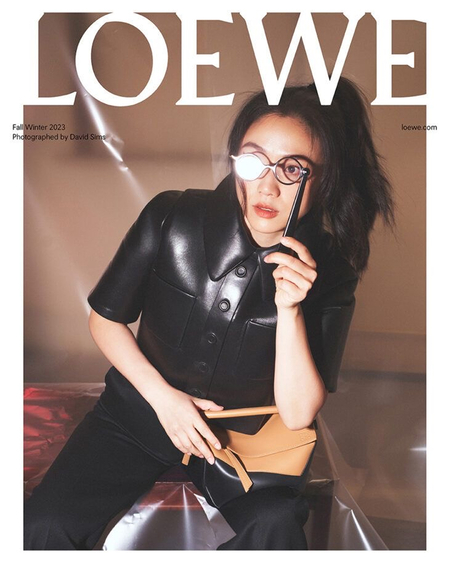
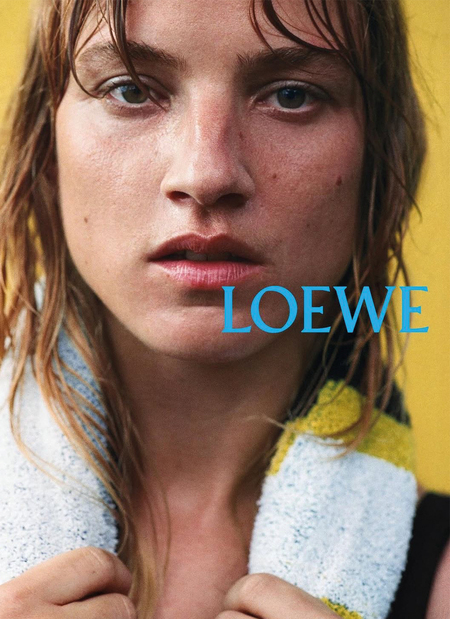
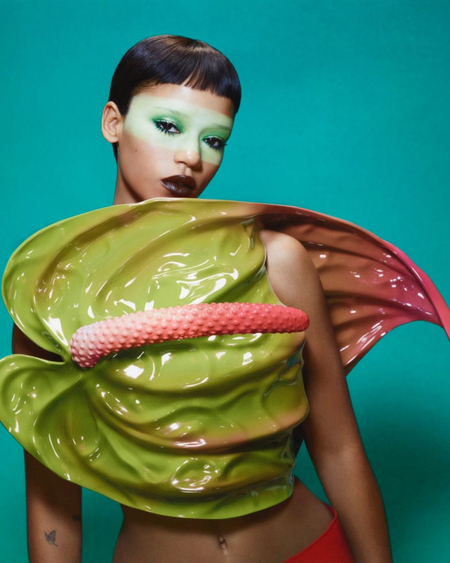
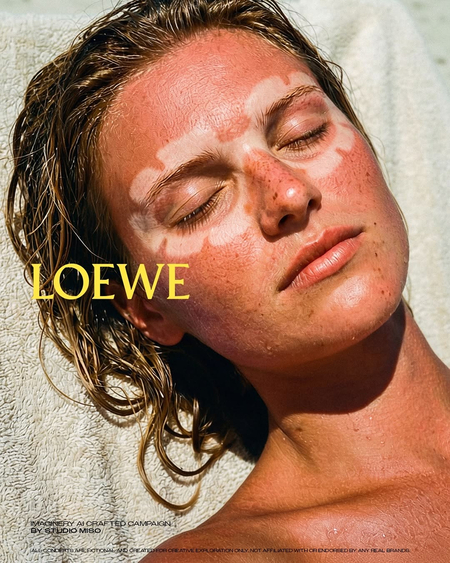
Campaigns extend this language into print and digital media, often shot by photographers like Juergen Teller or David Sims. The imagery is stark, surreal, and product‑focused, avoiding conventional luxury clichés. Recent campaigns also connect with pop culture: for example, K‑pop star Taeyong as ambassador bridges high fashion with global youth audiences.

0

Theoretical Framework and Analysis

Loewe’s communication strategy can be understood through two different theoretical lenses.

The first is the Elaboration Likelihood Model (ELM), which distinguishes between deep logical processing and quick emotional decision‑making.

The second is the Uses and Gratifications Theory (UGT), which looks at what psychological needs people satisfy when they engage with media content.

Elaboration Likelihood Model (ELM)

ELM helps to explain how Loewe persuades two very different groups: dedicated luxury buyers and casual social media users.

Central route (reason‑based)

High‑involvement audiences — craft collectors, leather enthusiasts, and repeat clients — value detailed information.

Loewe offers them the Loewe Foundation Craft Prize documentary (artisan interviews, material choices, jury process) and long‑form WeChat articles about vegetable‑tanning and Spanish leather heritage. These materials demand time and attention, but they create a strong, long‑lasting belief in the brand’s authenticity.

Исходный размер 960x527

Peripheral route (emotion‑based)

For less engaged viewers, Loewe relies on visual appeal, scarcity, and celebrity power.

— Studio Ghibli collection — limited editions that sell out within hours. Nostalgia and the fear of missing out drive impulsive likes and shares, with almost no evaluation of the actual product

— TikTok presence — surreal, low‑production clips (e.g., a ceramic hand holding a Puzzle bag). These videos average 69.8K likes and 275 comments, with about 2.5 million followers. Instead of analysing leather quality or construction, viewers respond to the entertainment value and visual strangeness. This positive emotional reaction is then unconsciously transferred to the brand itself.

— Celebrity ambassadors (Taylor Russell, Josh O’Connor, Tang Wei, Taeyong) — positive feelings toward the star automatically transfer to LOEWE. This is pure peripheral processing.

Uses and Gratifications Theory (UGT)

UGT reveals why people actively seek out Loewe’s content. The brand satisfies four needs.

Diversion – escape from the everyday. Loewe’s Instagram feed (over 6.8 million followers) is full of dreamlike, art‑directed visuals. Users scroll to forget daily stress and immerse themselves in beauty.

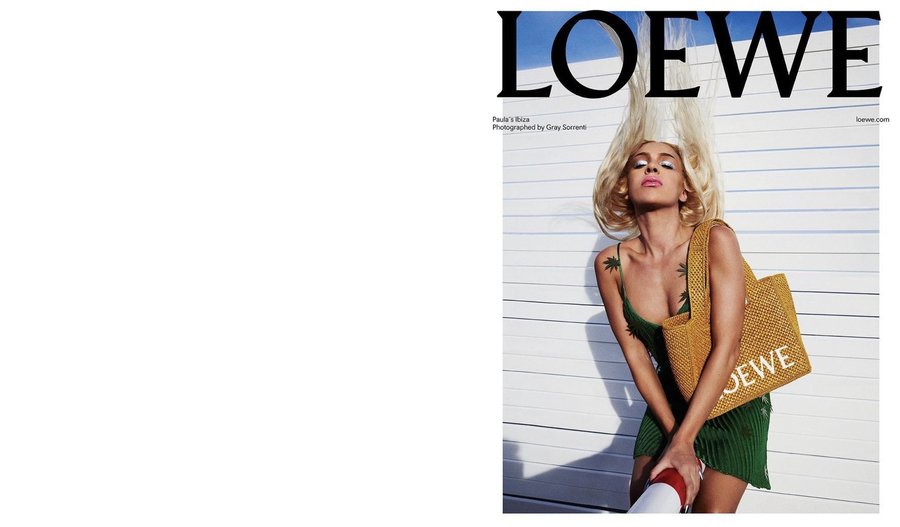
Personal identity — expressing who you are. The Paula’s Ibiza campaign sends a signal: «I am creative, I appreciate craftsmanship, I am not a typical luxury shopper.» Sharing this content helps people build their desired self‑image.

Personal relationships — parasocial bonds. On YouTube, fans watch runway shows and behind‑the‑scenes videos, then discuss them in the comments. They feel a connection to the creative directors, even without any real‑life meeting. This emotional tie strengthens loyalty.

Surveillance – staying ahead of trends. Loewe’s Twitter and Instagram Stories offer real‑time news about limited drops, shows, and events. Fashion‑conscious followers consume this content to gain cultural capital and feel informed.

Conclusion and Recommendations

Loewe has built a communication model that elevates a fashion house into the realm of cultural stewardship.

Rather than simply selling clothes and accessories, the brand consistently delivers content rooted in artistic collaborations, craft documentaries, and exhibition‑grade retail spaces. Its runway presentations, social media output, CASA Loewe environments, and the Loewe Foundation Craft Prize all reinforce a single narrative: this is a brand defined by contemporary craftsmanship, not by seasonal trends or logo‑driven status.

Исходный размер 960x528

However, most of Loewe’s communication currently flows in one direction — from the brand to its audience. Applying the lens of Dialogic Theory, there is considerable potential to introduce reciprocal interaction without diluting the label’s premium, artistic image. Loewe cannot simply copy mass‑market tactics such as open comment sections or trivial polls. But it could design curated conversational formats, for instance invitation‑only digital Q&A sessions with Craft Prize jurors, or moderated seasonal discussions on WeChat and YouTube that explore the conceptual references behind each collection.

The key strategic advice: keep the brand’s aura of craftsmanship and mystery, but build thoughtful bridges for deeper engagement. Loewe should not become overly conversational or accessible.

Instead, it could strengthen audience participation through controlled, high‑value formats: for example, inviting CASA Loewe visitors to leave video reviews of craft demonstrations, publishing user‑submitted questions for the creative directors (with selected answers released as short films), or creating an interactive digital archive where users can explore past collections and leave

List of Literature and Image Source

Библиография
Показать полностью
1.

LOEWE [официальный сайт]. — URL: https://www.loewe.com/eur/en/home (дата обращения: 12.06.2026).

2.

We’re Not Afraid to Do Things That Are Left‑Field: Loewe’s CMO on Its Killer TikTok Strategy [Электронный ресурс] // Vogue. — 2024. — URL: https://www.vogue.com/article/were-not-afraid-to-do-things-that-are-left-field-loewes-cmo-on-its-killer-tiktok-strategy (дата обращения: 12.06.2026).

3.

LOEWE [Электронный ресурс] // TikTok. — URL: https://www.tiktok.com/@loewe (дата обращения: 12.06.2026). — Доступ ограничен территориально.

4.

LOEWE [Электронный ресурс] // Instagram. — URL: https://www.instagram.com/loewe/ (дата обращения: 12.06.2026). (запрещен на территории Российской Федерации)

5.

Материалы курса «Communication Theory», лекция 4.2

Источники изображений
Показать полностью
1.

LOEWE: официальный международный сайт [Электронный ресурс] // LOEWE. — URL: https://www.loewe.com/eur/en/home (дата обращения: 14.06.2026).

2.

Loewe: официальный аккаунт в Instagram [Электронный ресурс] // Instagram (социальная сеть запрещена на территории РФ). — URL: https://www.instagram.com/loewe/ (дата обращения: 14.06.2026).

3.

Pinterest: социальная сеть [Электронный ресурс] // Pinterest. — URL: https://ru.pinterest.com(дата обращения: 14.06.2026).

Мы используем файлы cookies для улучшения работы сайта и большего удобства его использования. Более подробную информац...
Показать больше