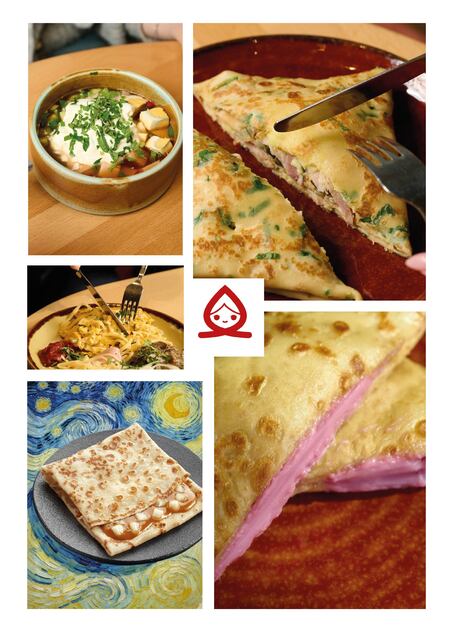
«Teremok» — Russian Cuisine Restaurant
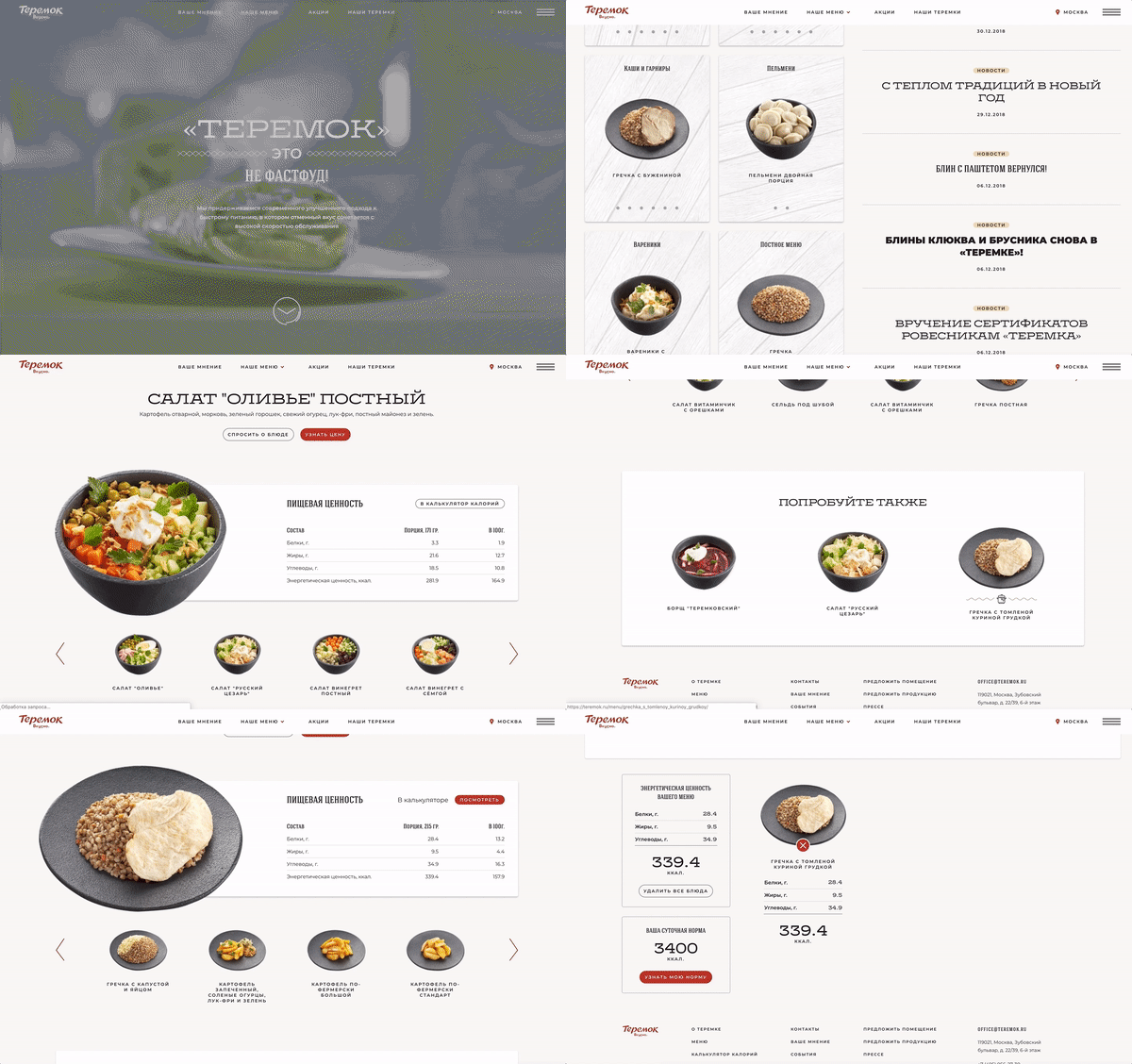
Teremok — Official Website
«Teremok» is a Russian cuisine restaurant chain operating in the fast casual format (fast casual is a restaurant format that combines the concepts of fast food and a restaurant (casual dining). Literally, «fast and casual»).
Its main positioning is that it follows a modern approach to fast dining, where tasty food goes hand in hand with fast service. «It is important for us to work decently and honestly.» The menu is based on blini (Russian pancakes) with various fillings, as well as traditional Russian dishes: soups, porridges, pelmeni, vareniki, salads, and signature drinks.
The key positioning of the brand is built around the idea that «this is not fast food.» The company emphasizes its belonging to the fast casual segment, which combines high service speed with high-quality natural products and a higher level of service compared to traditional fast-food chains. Among the brand’s core values are natural ingredients, freshness of dishes, respect for the traditions of Russian cuisine, and a modern approach to customer service.
The target audience of the Teremok restaurant chain is quite broad. It ranges from office workers and students whose goal is to have an inexpensive and tasty meal near their workplace or place of study in a short amount of time, to families with children and older generations who prefer homemade and national cuisine.
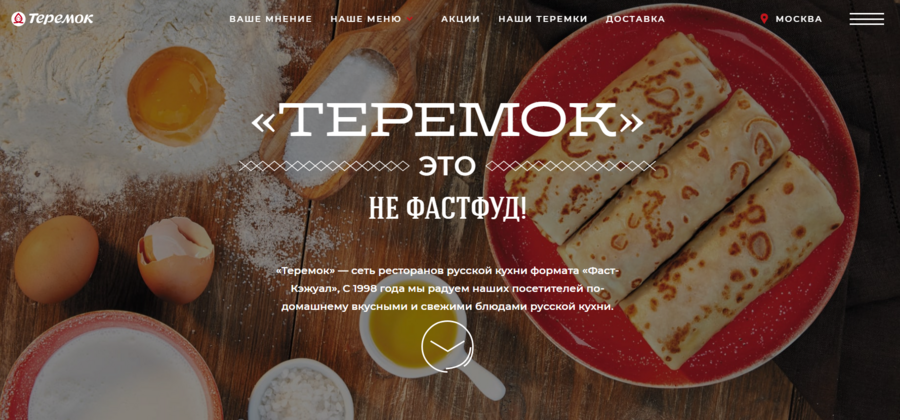
Teremok — Official Website
Teremok has several social media channels. Teremok’s VK page serves as the main official communication channel with a mass audience. There they publish jokes and activities for their audience, for example, guessing the mood of pancakes with different fillings or pictures related to Russian culture presented in the form of modern jokes or memes. They also use VK to communicate company news, such as menu updates or the opening of new locations.
The official website primarily serves a service function. By visiting it, customers can find the menu, prices, addresses of the chain’s restaurants, vacancies, and similar information. There is no entertainment content here, and communication is based on providing accurate information about the brand and its services.
Teremok — Official Website
Teremok’s PR strategy is aimed at creating the image of a modern national brand. The company builds its communication approach around the revival and preservation of Russian cuisine in a modern environment while maintaining traditions. A particularly notable example is the way they address customers as «sudari and sudaryni» («gentlemen and ladies»).
In its communication with people, the company tries to break the stereotype that traditional Russian food is outdated and does not fit into modern life. They show that Russian cuisine remains relevant today and is capable of competing with such modern fast-food products as burgers, hot dogs, pizza, and others.
Teremok does not position itself as fast food, but rather contrasts itself with it by being a fast casual restaurant. Therefore, in its PR communications, the company draws attention to the use of natural ingredients and higher-quality products, the preparation of dishes immediately before serving, and the availability of complete hot meals (unlike products such as hot dogs and burgers).
The company also frequently participates in festivals such as VK Fest and promotional campaigns, for example, offering the chance to win tickets to the film Kholop 3. They organize festivals connected with traditions, such as «Sudarynya Maslenitsa». They also maintain partnerships with various food delivery services, such as Yandex Food, making their products even more accessible.
Teremok Official VKontakte Community
Teremok creates an image not simply as a restaurant chain, but as one of the most recognizable Russian brands in the food industry. At the same time, it promotes traditional Russian cuisine and emphasizes its uniqueness as a modern product, positioning itself in contrast to fast food. An image is formed around the company as a modern Russian cuisine restaurant chain that offers a high-quality and healthy alternative to fast food and is oriented toward family and urban audiences.
Theoretical Framework: Elaboration Likelihood Model (ELM)
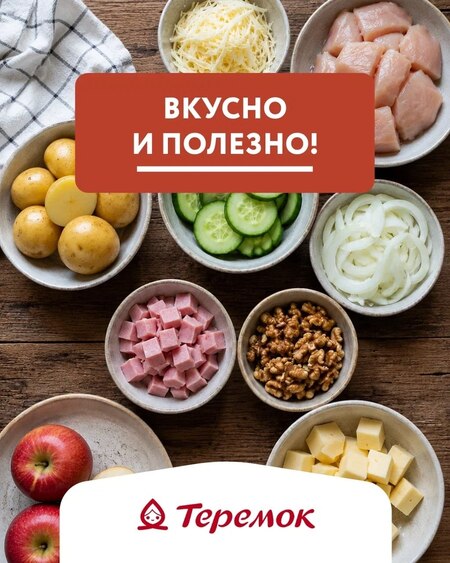
To analyze the communication strategy of Teremok, the Elaboration Likelihood Model (ELM), developed by Richard Petty and John Cacioppo, was selected as the theoretical framework. According to this theory, audiences process persuasive messages through two distinct routes: the central route and the peripheral route.
The central route involves careful consideration of arguments and a rational evaluation of information. The peripheral route relies on emotional cues, visual imagery, and other external factors that do not require extensive cognitive processing.
Teremok’s communication strategy combines both mechanisms of persuasion, making it effective for different groups of consumers.
Analysis Through the Central Route of Persuasion
The central route assumes that consumers are interested in product quality and are willing to carefully evaluate the information provided.
On its official website, Teremok places significant emphasis on rational arguments, including:
- the use of natural ingredients;
- the absence of substitutes and artificial product alternatives;
- the absence of preservatives;
- preparation without frozen ingredients;
- daily replenishment of fresh ingredients;
- pancakes cooked only after the order is placed.
Teremok — Official Website
Teremok — Official Website
An additional argument supporting product quality and enhancing consumer trust is the calorie calculator available directly on the website. Teremok encourages customers to take a conscious and informed approach to the food they consume from its menu.
Furthermore, every menu item is accompanied by detailed information about its ingredients and nutritional value.
Teremok — Official Website
Teremok — Official Website
These messages function as logical arguments that allow consumers to infer the high quality of the products. The brand does not rely solely on general claims about quality; instead, it provides concrete evidence, such as the use of natural cream instead of vegetable fats and real cottage cheese instead of processed cottage cheese products.
Therefore, Teremok stimulates central information processing and builds trust in the brand through rational product attributes.
Analysis Through the Peripheral Route of Persuasion
In addition to rational arguments, the brand actively employs emotional and symbolic communication elements.
The website and promotional materials consistently feature the following themes:
- home-style cooking;
- Russian culinary traditions;
- a cozy atmosphere;
- natural wood interiors;
- a caring attitude toward guests;
- phrases such as «prepared with warmth and love.»
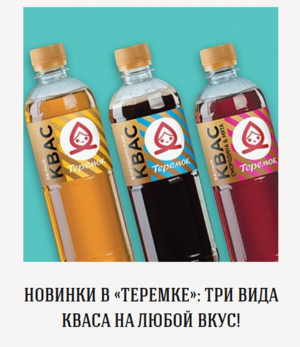
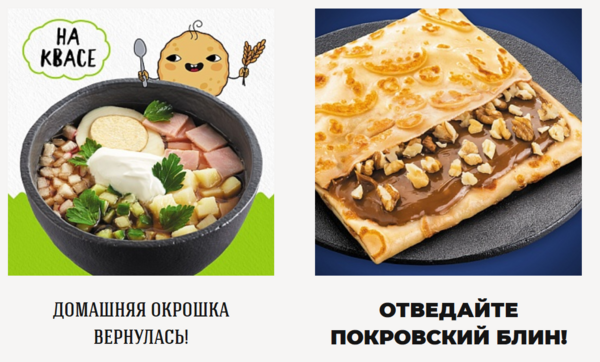
Teremok — Official Website
Teremok — Official Website
These messages do not provide objective evidence of product quality; however, they create positive emotional associations with the brand. They help consumers perceive Teremok not as a conventional fast-food chain, but as a place associated with comfort, tradition, and homemade food.
Particularly important is the brand’s positioning through contrast with traditional fast food. The slogan «Teremok is not fast food!» functions as an emotional cue that helps establish a higher-status brand image in consumers’ minds.
Teremok — Official Website
What is the Uses and Gratifications Theory (U&G)?
To analyze the communication strategy of the restaurant Teremok, the Uses and Gratifications Theory (U&G) was selected as the theoretical framework. Unlike earlier media effects theories that view audiences as passive recipients of messages, U&G assumes that the audience is active. Developed by Blumler, McQuail and Katz in the 1970s, this theory shifts the focus from «what media do to people» to «what people do with media.»
According to U&G, people consciously choose media and content to satisfy specific needs and achieve goals. The theory is built on several key assumptions:
- The audience is goal-oriented — people use media to achieve certain objectives.
- Choice of media is based on needs — people choose content that satisfies their psychological or social needs.
- Media compete with other resources — the audience chooses among different channels (TV, social networks, websites) those that best satisfy their needs.
- People can explain their media use patterns — to some extent, users are aware of why they choose certain content.