1. Introduction
What is Drinkit?
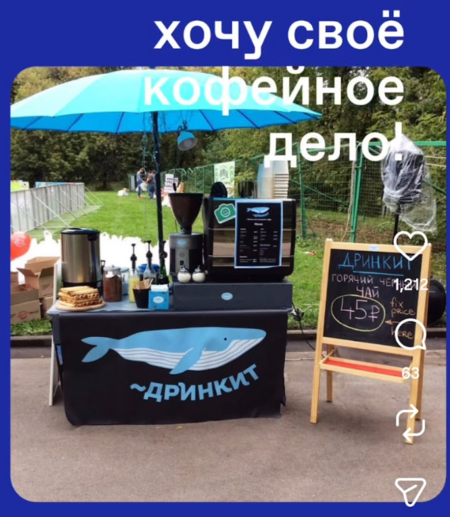
Drinkit is a coffee brand founded by Anastasia Nikitina in 2015. The project began as a small mobile coffee venture operating at festivals and urban events before developing into a network of coffee shops. In 2019, Drinkit joined the Dodo Brands ecosystem, combining Anastasia’s expertise in specialty coffee with Dodo’s technological capabilities. Since then, the brand has evolved into a first digital coffee chain operating in several international markets.
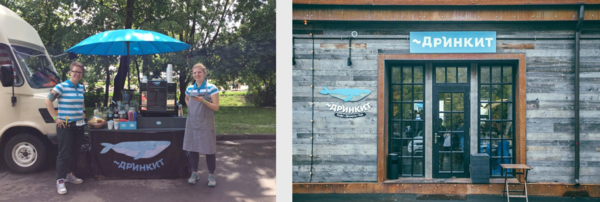
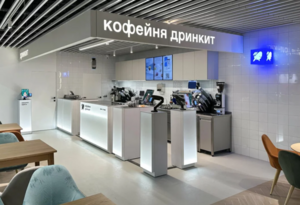
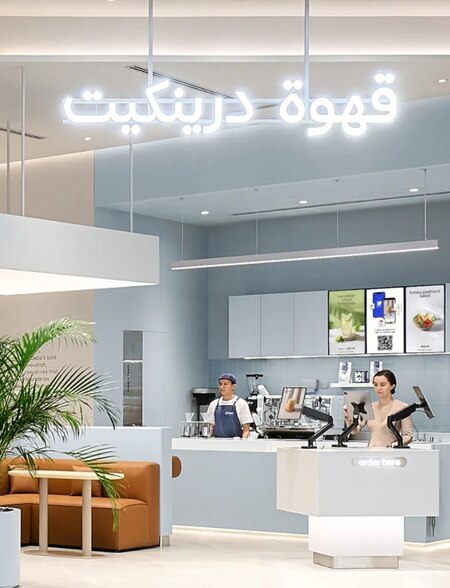
Drinkit in 2015, 2017, 2026
Brand Evolution
Drinkit’s development can be divided into three stages. The first stage involved experimentation with mobile and physical coffee formats. The second stage began when the project joined Dodo Brands in 2019. The third stage is characterized by digitalization, franchising and international expansion. In 2023, Drinkit opened its first international digital coffee shop in Dubai (the UAE). By June 2026, the brand operated in five countries: Russia (180 coffee shops), Kazakhstan (20), the United Arab Emirates (10), Azerbaijan (1) and the United States (1).
Core Positioning
Drinkit’s positioning is built around removing friction from everyday coffee consumption. Rather than emphasizing coffee expertise alone, the brand focuses on convenience, speed, personalization and predictability. Technology functions as a tool that simplifies customer experience and integrates coffee purchasing into daily routines.
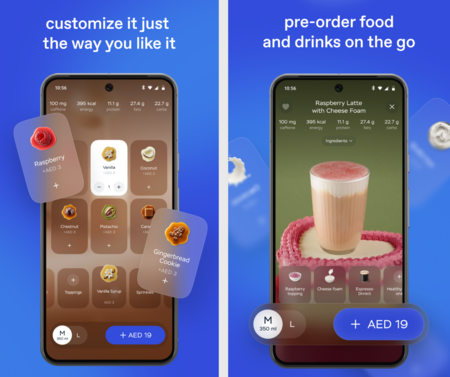
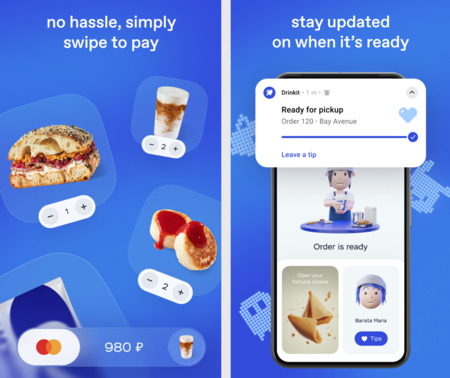
Google Play app preview
Target Audience
Drinkit’s audience is defined primarily by lifestyle and behaviour rather than age. The brand targets urban consumers who regularly buy coffee, use digital technologies confidently and value convenience, personalization and time efficiency.

2. Communication channels
Communication Ecosystem
Drinkit’s communication system combines digital and physical touchpoints. Communication occurs through the mobile application, social media, visual identity, PR activities, community events and collaborations. Unlike traditional coffee chains, communication is embedded directly into the customer experience.
Mobile App as Primary Communication Channel
The application functions as Drinkit’s main communication medium. Customers use it not only to purchase coffee but also to customize drinks, receive recommendations, access subscriptions and interact with the loyalty program. The app creates continuous communication between the brand and its customers.
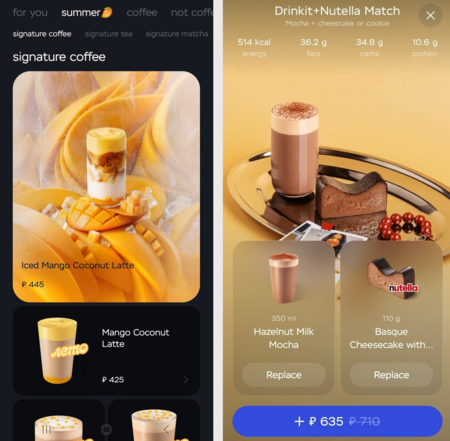
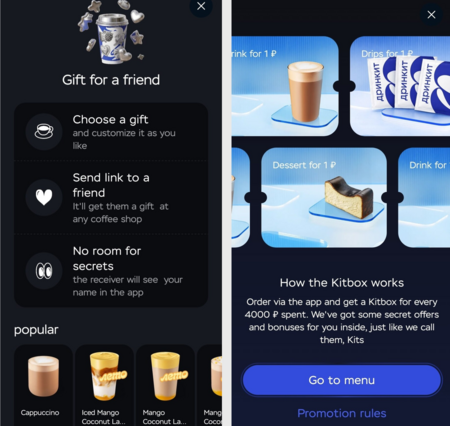
app features
Social Media
Drinkit’s social media strategy focuses on lifestyle, community and transparency. Instagram* emphasizes visual identity and brand culture, while Telegram provides operational updates, business insights and franchise-related content.
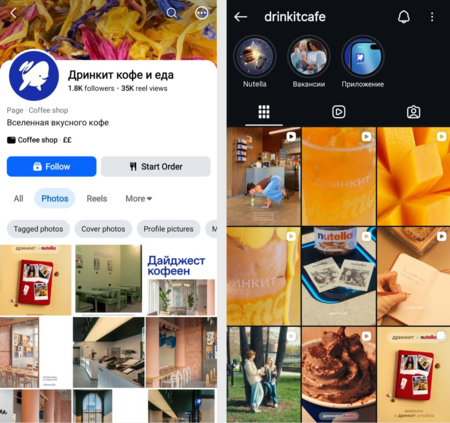
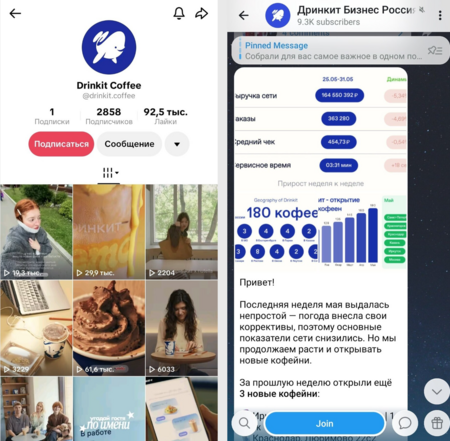
drinkit social media: facebook*, instagram*, tiktok, telegram
Visual Identity, Collaborations and PR
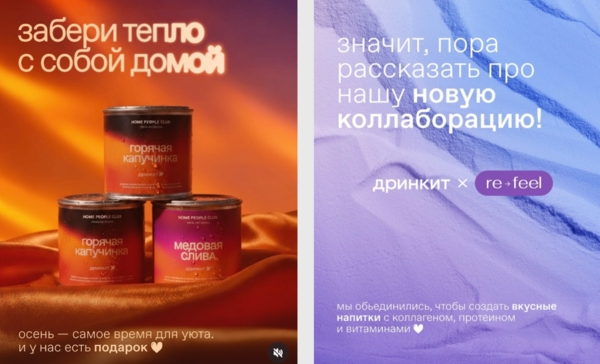
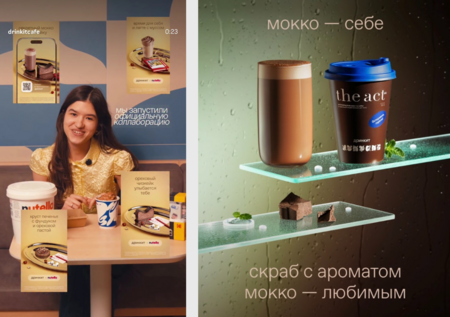
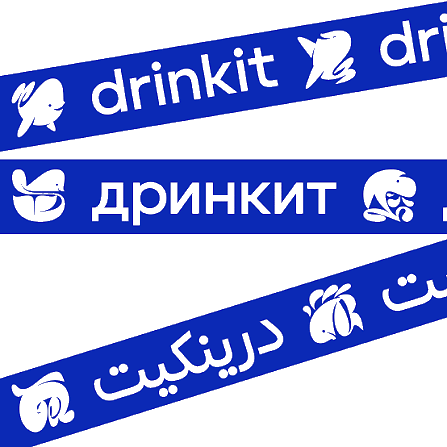
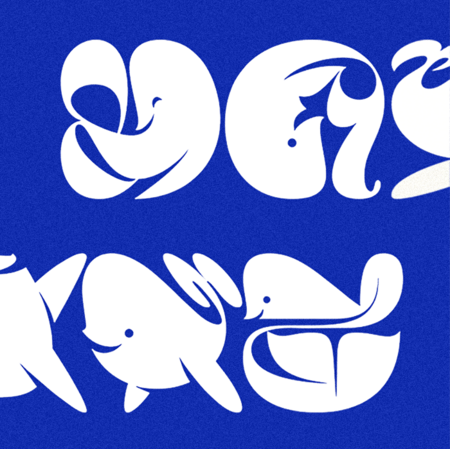
Drinkit communicates not only through advertising but also through design, collaborations and public relations. The brand’s visual identity serves as a system of signs communicating friendliness, accessibility and technological innovation. Collaborations and media appearances further strengthen audience engagement.
3. Theoretical framework
Two theories were chosen to aid our analysis of Drinkit’s communication. — The Dialogic theory was chosen because it is well suited for analyzing the communication between the brand and the customer, whether online or in real life. — The Elaboration Likelihood Model (ELM) provides a framework to explore the variety of ways the brand’s communication affects the customer’s attitude towards the product.
1. Dialogic theory
The first one is the Dialogic theory, which concerns PR interactions. According to this theory, organizations’ communication with the public should be regarded as a form of dialogue — a honest and mutual exchange rather than a one-sided process. Thus, PR communication consists of 5 key components that are familiar from everyday dialogue. They are mutuality (collaborativeness), propinquity, empathy (drive to support each other), risk (willingness to show vulnerability), and commitment (to the shared goal of the communication). These points were developed before the communication went digital.
Later, some additional features of the Dialogic theory were introduced specifically to cater to the communication happening online. Given the time at which those components were proposed, it comes as no surprise that they used to apply to websites only. However, nowadays they are also applicable to mobile apps, which are just as advanced and available as websites.
- The Dialogic loop is a well-managed feedback system between participants, e.g. the brand and the clientele;
- The Usefulness of information implies that the information provided on the brand’s website must be honest, relevant and valuable to the publics;
- The Generation of return visits is a name that speaks for itself, emphasising the visitors tendency to come back again;
- The Conservation of visitors ensures that users do not leave the website via external links or advertisements, or due to its poor construction;
- The Intuitiveness means the intuitive understanding and the ease of use of the website.
2. Elaboration Likelihood Model (ELM)
The other theory we will be applying is the Elaboration Likelihood Model (ELM), as it aims to explain how people’s attitudes are affected by persuasion (for example, to buy certain products). This theory splits people’s ways of processing persuasion into two routes: central and peripheral.
The first one assumes that the audience has enough knowledge or motivation to make an informed decision. The second one implies higher reliance on less relevant reasoning, such as emotion. In advertisement, as well as in other channels of brand communication, both of these routes can find their uses. However, the peripheral route is often percieved as the more prevalent (e.g., for many coffee shop visitors, the factual information about the product plays a lesser role than the comfortable predictability of its taste and the quality of service).
One’s chance of taking this mental shortcut can depend on several features communicated by the brand: reciprocation (of efforts made by each side), consistency (of methods and behaviours), social proof (achieved, e.g., by using specific products), liking (sympathy for something or someone associated with the product), authority (of someone else), scarcity (of available product), contrast (between different available options).
4. Communication analysis
Dialogic theory
Where can we look for the features of this theory in Drinkit’s case? The first and obvious choice would be the direct interaction between the customer and the brand in an everyday coffee shop scene.
However — ironically — Drinkit lacks the dialogue in the common sense of the word, more so in comparison with other coffee shop chains. The app-based service minimizes the interaction between the visitor and the barista. Once the coffee is made, it is put away to the designated table, where the customer can pick it up and leave, without ever making eye contact or exchanging a word with the employees.
While the dialogue itself is reduced, other forms of communication take its place exemplifying the theory. In Drinkit’s case, it is its interactive digital spaces that become the primary ground for communication with customers. Thus, we will be focusing on the five extra points within the Dialogic theory that are applicable to digital communication specifically.
buying coffee without saying a word — but the dialogue is still there
1. Dialogic Loop
For Drinkit, there are several ways the Loop manifests. The customer may ask questions privately via email, placed conveniently in the Drinkit’s app; or he can voice his concerns publicly in the comment section of Drinkit’s social media. Regardless of the channel used, the trained employees reply eagerly in a helpful and friendly manner.
2. Generation of Return Visits
In order to guarantee that the users will return, the developers enrich their content with regular updates, special events and limited-time offers.
There is no way to place an order in Drinkit without using the app, making in-app return visits even more crucial than physical return visits of the customers to the café. To attract them back into the app, Drinkit utilises various strategies, including: personalised discounts within the company’s loyalty program; on-time seasonal updates; last but not least, integration of state-of-the-art features such as AI assistants.
in-app AI assistant
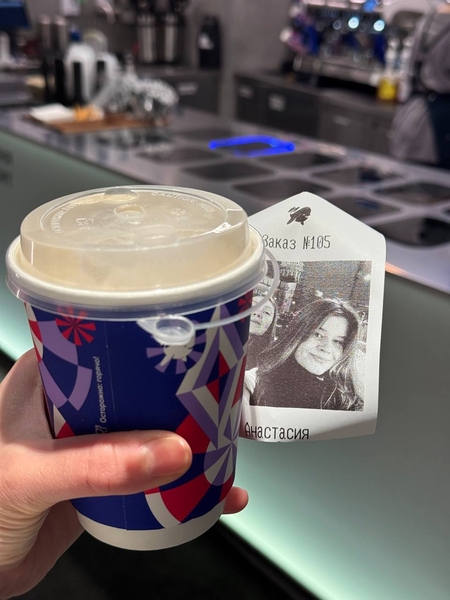
One of the ways of generating return visits is offering novelty instead of the same product every time. This is why Drinkit allows its customers to thoroughly customize their orders by choosing from dozens of extra ingredients; for similar reasons Drinkit lets the visitors personalise their receipts with photos of their choice. These options provide customers with a constant source of new experiences and ways to interact with Drinkit.
Finally, the conversational tone of the brand’s communication aims creates a friendly atmosphere that encourages the visitors to come back.