
rubricator
- reinventing the cup (brand introduction)
- pouring the message (communication channels)
- the interface of ideas (chosen theories)
- brewing the connection (uses and gratifications theory)
- perfecting the blend (affordances theory)
- conclusion
*Instagram is a project of Meta Platforms Inc., an extremist organization whose activities are banned in Russia.
reinventing the cup

Drinkit is an international chain of «new format» digital coffee shops launched in 2020. It is a part of the Dodo Brands ecosystem. The main feature of the company is the deep integration of technology into the daily coffee-buying ritual. The chain operates on a digital-first model, where traditional cash registers are replaced by a mobile app and self-service kiosks.
By treating the coffee-buying process as a unique user experience, Drinkit occupies a niche in the market, appealing directly to urban, tech-savvy consumers who value both efficiency and modern lifestyle aesthetics.
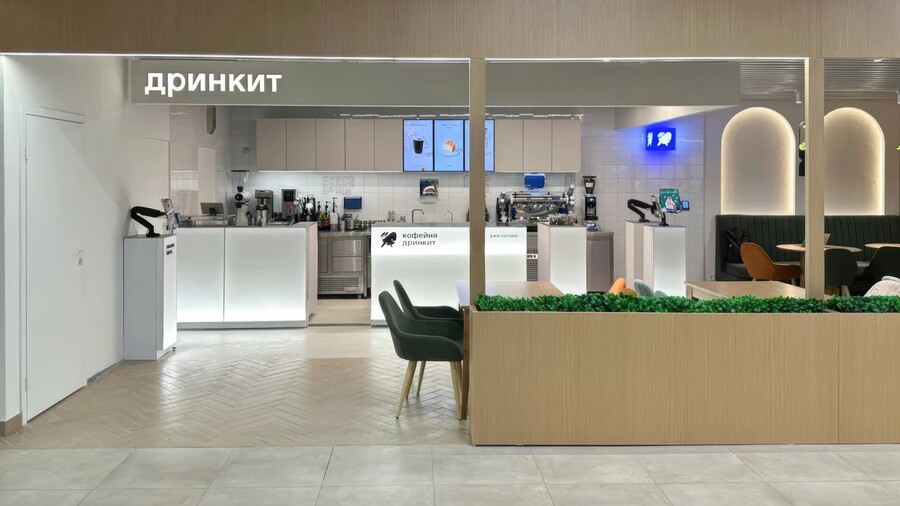
drinkit cafe, Moscow, 2023
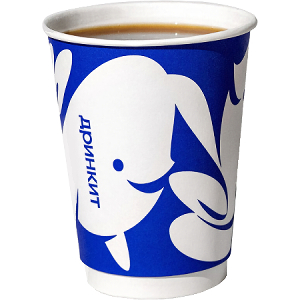
The coffee houses position themselves as dynamic spaces for modern city residents who value their time, like trying new things, and want to control every detail of their order. It offers tech-driven comfort, personalization, and consistently high-quality specialty coffee at an affordable price.
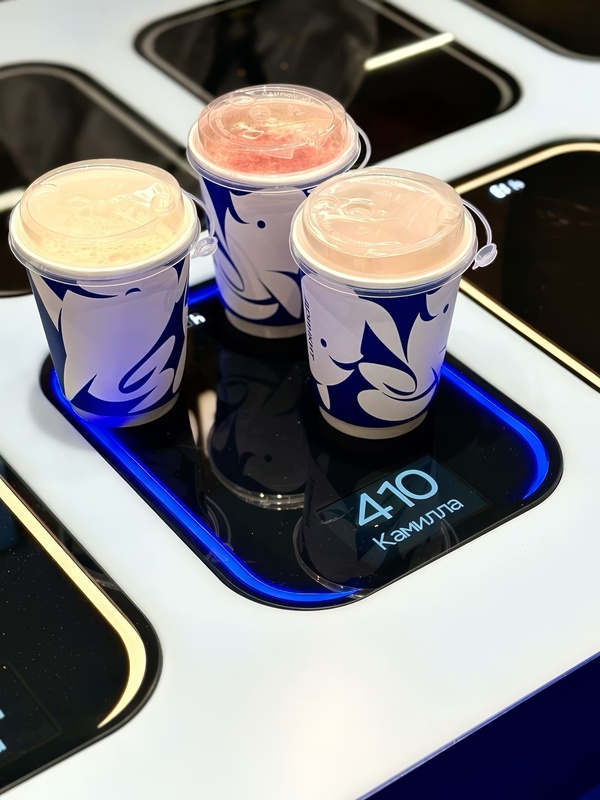
The primary focus is on a radical reduction of waiting times — orders are prepared within 3 minutes due to end-to-end process automation. The brand philosophy is built around the concept of allowing guests to customize any drink to their preference through a smartphone interface.
The menu focuses not only on classics but also on unusual, seasonal signature drinks, such as coffee with cheese foam or spices. The mobile app, which can be considered the core feature of the brand, remembers taste preferences, offers convenient cashless payments, automatically applies loyalty points, and allows users to easily repeat their favorite orders.
order table in a drinkit cafe, Moscow, 2025
order and menu design mockups, Behance, 2024
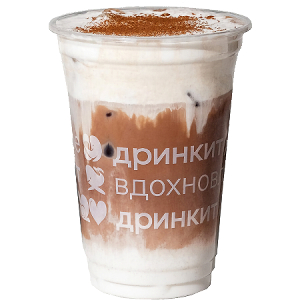
The core target audience of Drinkit consists of active urban residents whose daily routines are tightly linked with digital technologies. The majority of customers can be described as young active people, students, and millennials who prefer to minimize unnecessary verbal interaction, use their smartphones constantly, and value a gamified ordering experience.
Also Drinkit offers a convenient time-reducing coffee shop for office workers, who value their free time and have tight schedules. The pre-ordering feature — allowing customers to pick up a cup on the way to work or a meeting without waiting in line — is critical for this group.
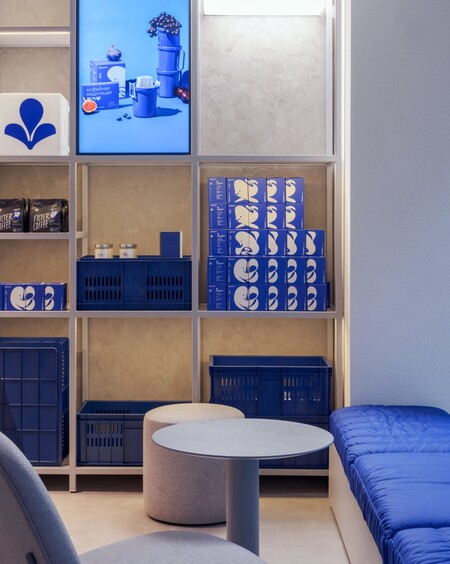
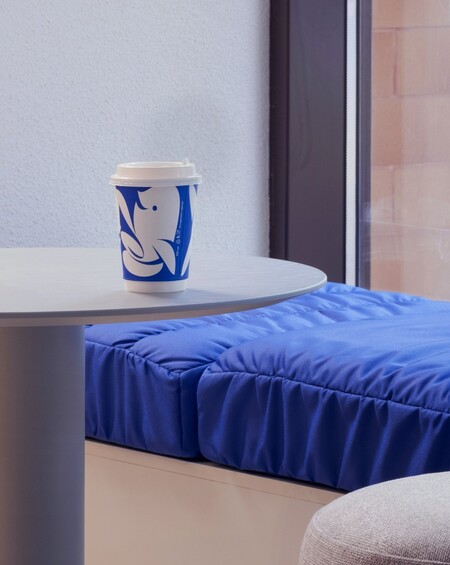
drinkit brand identity, Behance, 2024
pouring the message
The brand utilizes a carefully selected mix of social media platforms and owned media channels, with its proprietary mobile application serving as the primary communications hub. The Drinkit app functions as a critical communication channel where personalized push notifications, customized beverage builders, and post-purchase rating systems create a constant, data-driven dialogue with the user.
app UI screenshot mockups, Behance, 2024
According to the reviews, Drinkit offers a polite support system with a special generous gift programs for the newcomers. The app is famous for it’s cinematic shots of food, which not only provide a unique user experience from simply choosing a meal, but also help with understanding the final picture of a chosen product.

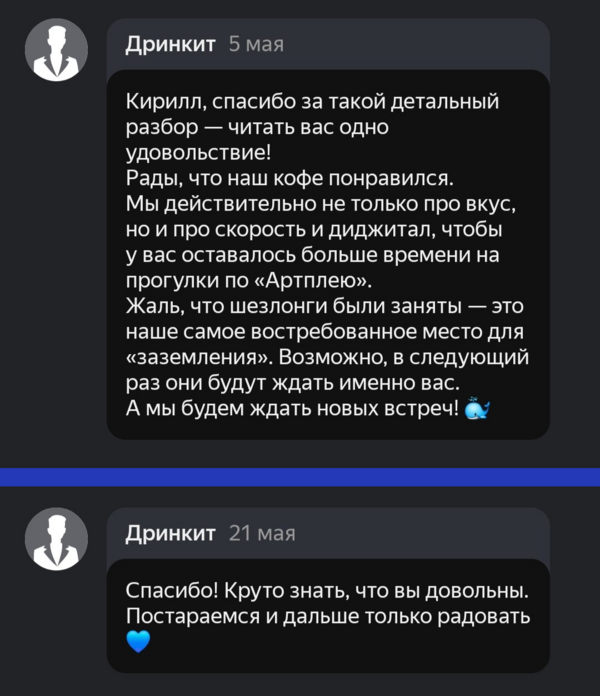
drinkit’s replies to user’s reviews on Yandex Maps
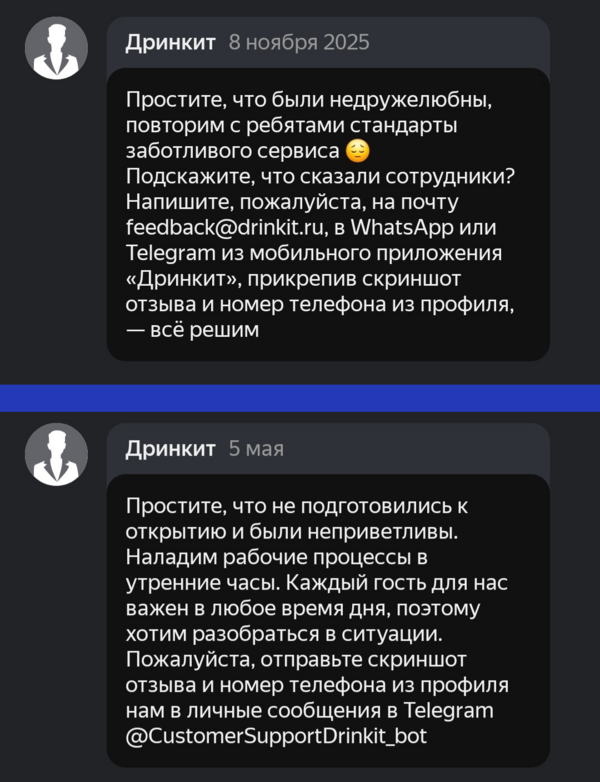

drinkit’s replies to user’s reviews on Yandex Maps
Beyond the app, Drinkit leverages Instagram* as its main visual and lifestyle platform, utilizing clean design, behind-the-scenes content from their beverage laboratory, and a distinct corporate visual language to build emotional attachment. For regional community management and direct customer support, the brand relies heavily on VKontakte, while concurrently utilizing the personal Telegram channels and corporate blogs of its executive leadership to communicate business metrics, operational challenges, and tech updates directly to industry experts and loyal brand advocates.
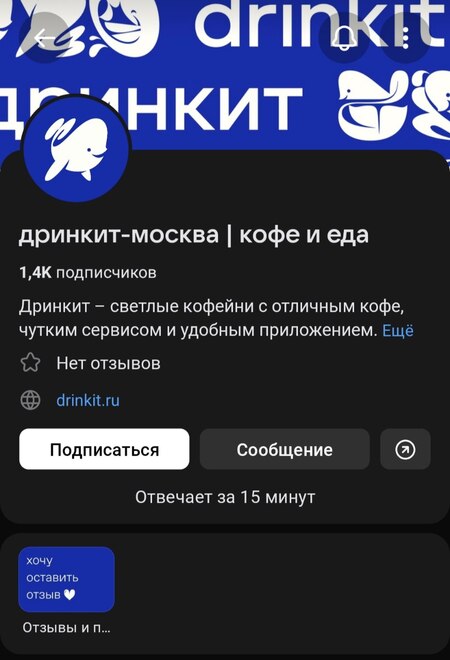
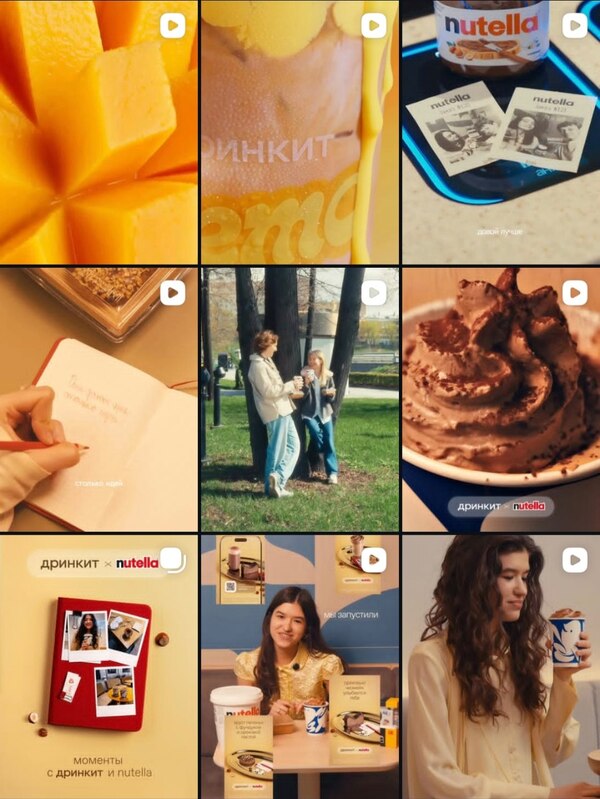
VKontakte / Instagram* Reels
Drinkit demonstrates the principles of Dialogic Theory by maintaining two-way communication with its audience. Drinkit collects feedback, provides useful information and regularly updates customers about new products and promotions through its app and social media platforms.
the interface of ideas
To better understand how Drinkit engages its audience and fosters consumer-brand relationships, Uses and Gratifications Theory and Affordance Theory are used as theoretical frameworks.
Uses and Gratifications Theory is suitable for examining the motivations that drive consumers to interact with the brand and the needs that such interactions fulfill, including diversion, personal relationships, personal identity, and surveillance. At the same time, Affordance Theory offers a framework for understanding how Drinkit’s digital platforms and social media presence enable and encourage these interactions through specific features and design choices.
brewing the connection
Drinkit’s communication and consumption practices align closely with the core dimensions of UGT. Through its digital content, social media presence, and participatory campaigns, the brand addresses consumers’ needs for diversion, social connection, personal identity formation, and surveillance.
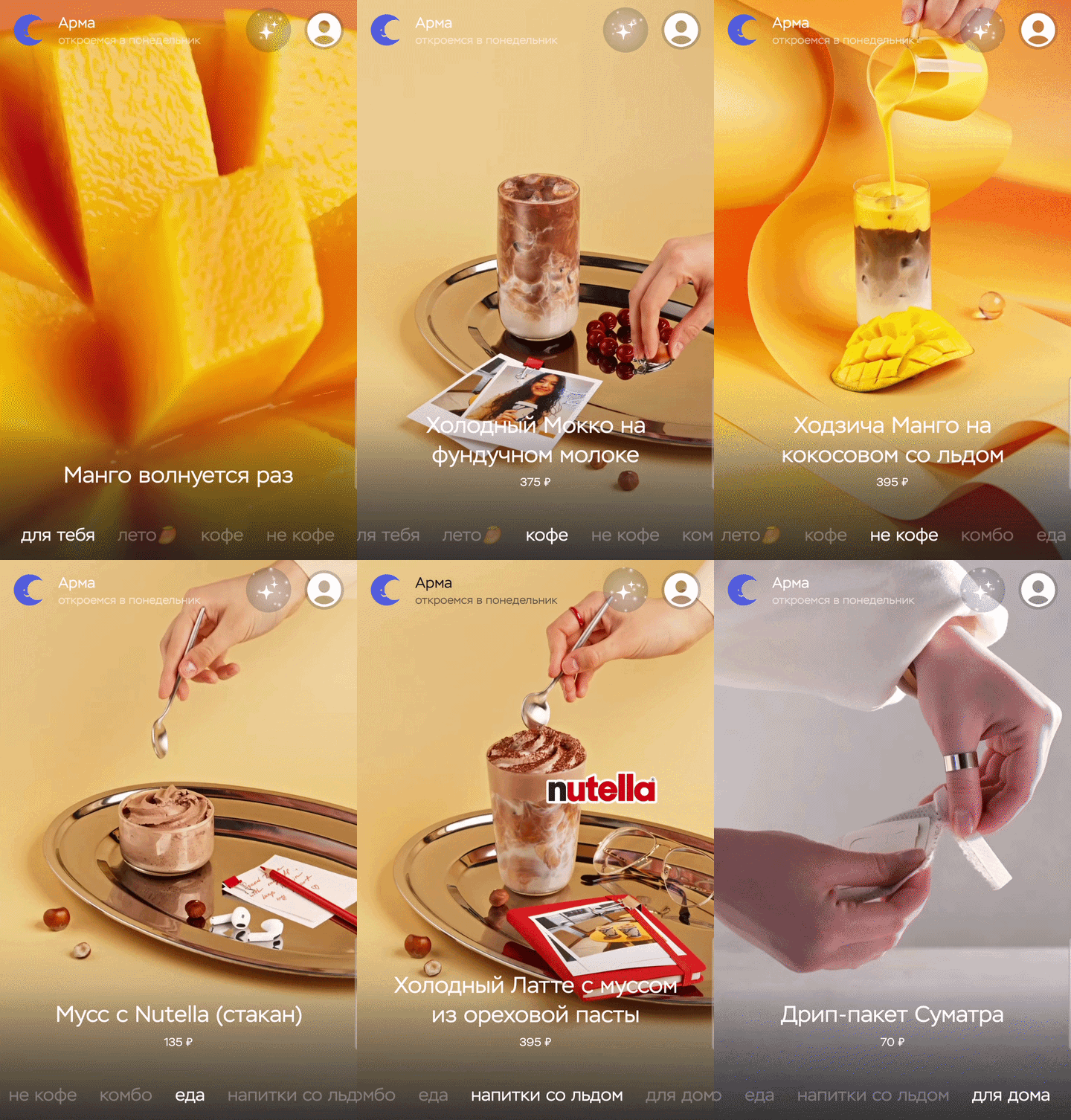
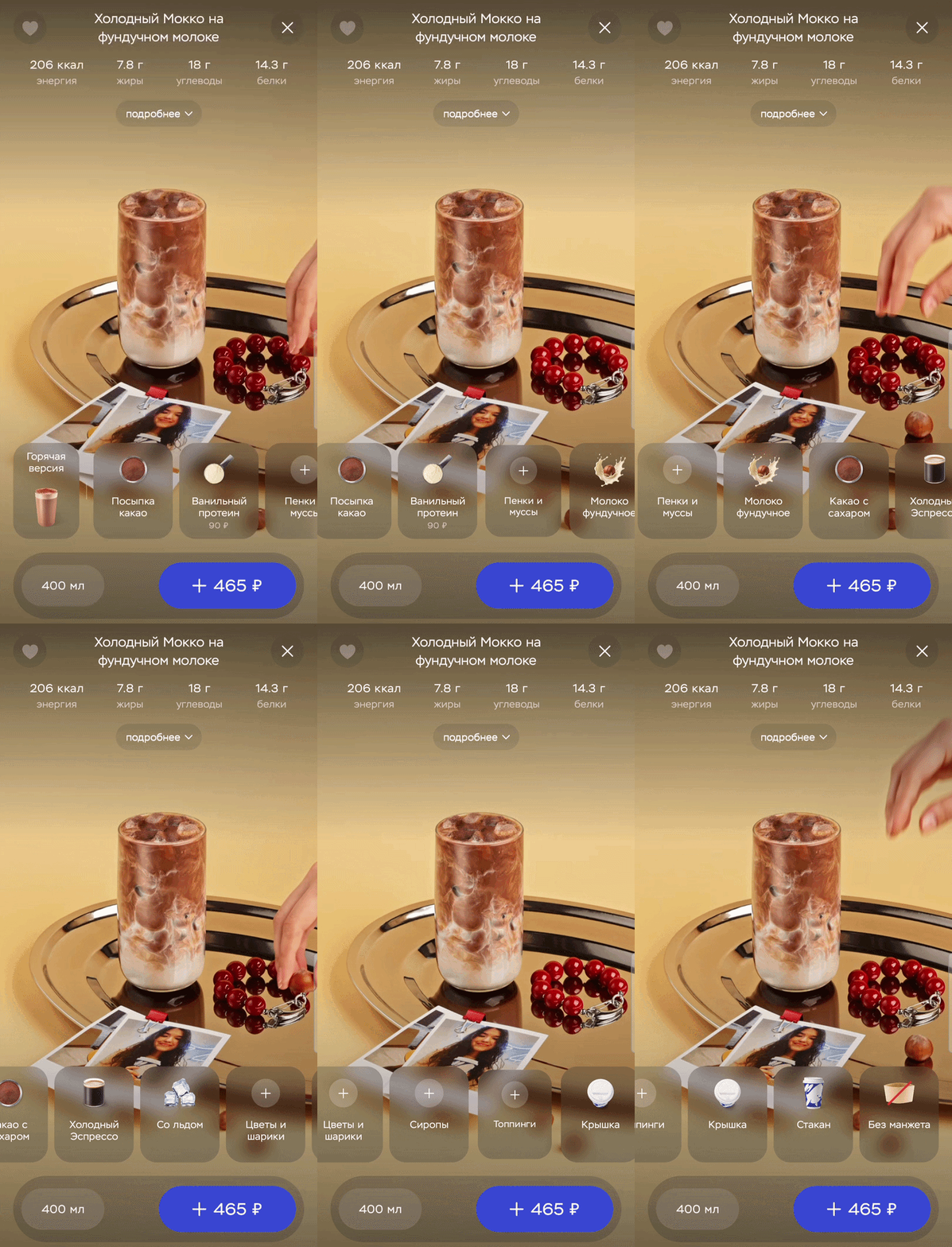
screen recordings from the drinkit app
drinkit promo
Diversion
Drinkit can serve as a ritualistic escape from daily tedium. A client might purchase Drinkit not just for hydration, but to introduce a moment of variety into the workday or add novelty to bland diet. The branding provides a sensory and cognitive pause.


drinkit brand identity, Behance, 2024
Personal Relationships
By organizing various events and providing a comfortable environment, the brand creates opportunities for customers to strengthen relationships and find new friends among other Drinkit clients. These shared experiences create a sense of belonging and community around the brand, turning consumption into a social activity.