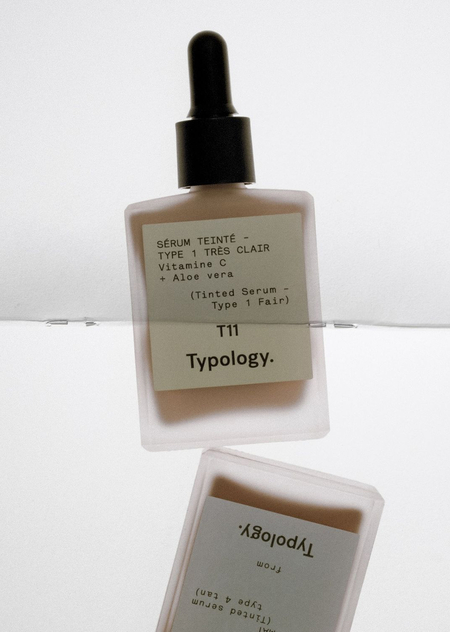
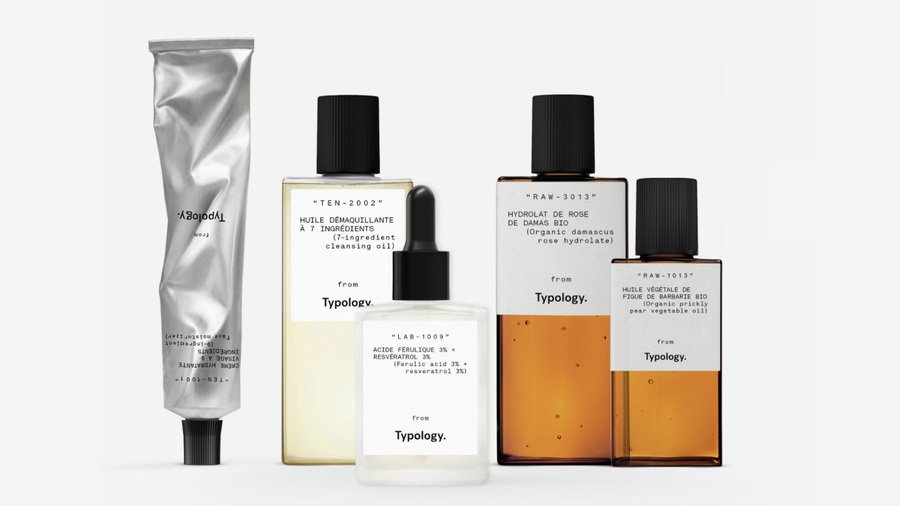
Typology skincare products
INTRODUCTION
Over the past decade, the beauty industry has undergone a significant transformation. Consumers are no longer passive recipients of advertising messages. Instead, they actively seek information, compare ingredients, read reviews, and evaluate brands based on transparency, credibility and values. As a result, traditional beauty marketing strategies built around aspirational imagery, celebrity endorsements and emotional storytelling are increasingly being challenged by a new generation of brands that prioritize education and direct communication with consumers.
One of the most notable examples of this shift is Typology, a French direct-to-consumer skincare brand founded in 2019. In a highly competitive market saturated with aggressive promotional tactics, Typology has established a distinctive position through radical simplicity, ingredient transparency and a highly consistent communication strategy. The brand focuses on helping consumers understand their skin and make informed purchasing decisions.
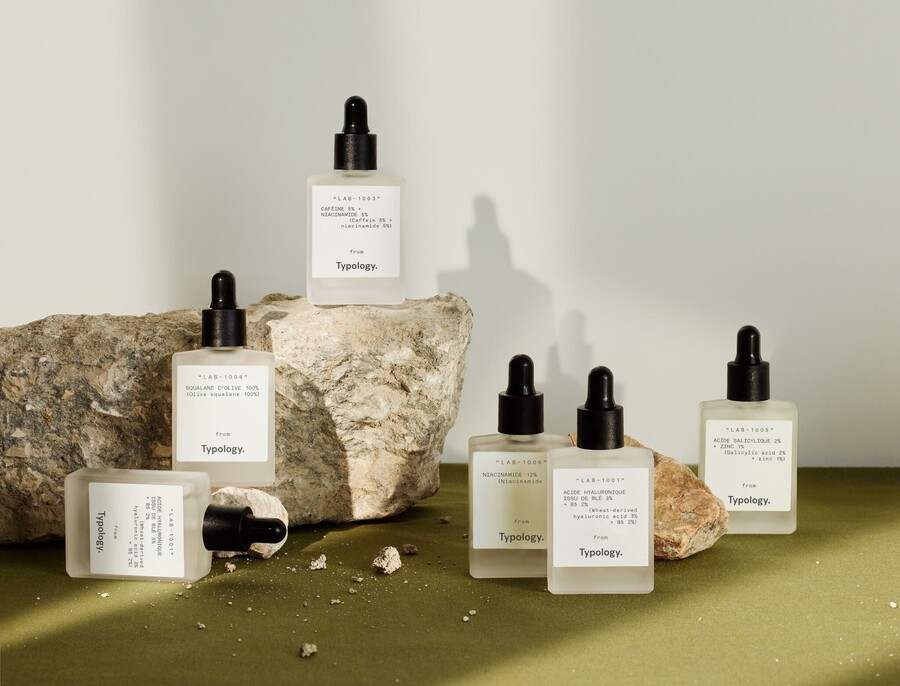
Typology Product Campaign
Founded in Paris in 2019 by entrepreneur Ning Li, Typology is a French direct-to-consumer skincare and beauty brand built around a philosophy of simplicity, ingredient transparency, and scientifically informed formulations. Operating primarily through its own e-commerce ecosystem, the company offers a curated portfolio of skincare, body care, haircare, and complexion products designed to address specific skin concerns through clear, effective, and easy-to-understand solutions.
Typology.com↗Core Positioning
At the core of Typology’s positioning is the idea that modern skincare has become unnecessarily complex. In a market dominated by extensive product ranges, fast-moving trends, and ambitious marketing claims, the brand presents itself as a source of clarity. Rather than selling aspirational beauty ideals, Typology helps consumers understand their skin and make informed decisions through transparent communication and ingredient-focused education.
This philosophy has shaped the brand since its launch. By simplifying routines, reducing unnecessary ingredients, and prioritizing product efficacy, Typology has challenged many conventions of traditional beauty marketing. The brand occupies a distinctive space between the scientific credibility of French pharmacy skincare and the refined aesthetics of contemporary premium brands, which has contributed to its rapid growth as one of Europe’s leading digital-native skincare companies.
Typology.com
More importantly, Typology reflects broader changes in consumer expectations. As transparency, sustainability, and informed consumption become increasingly important, the brand positions itself not simply as a skincare company, but as a trusted guide within the beauty industry. Its value proposition is built on helping consumers navigate skincare with greater confidence.
Typology Skin Diagnostic
Target Audience
Typology primarily targets digitally engaged consumers between the ages of 25 and 45 who actively seek information before making purchasing decisions. These consumers are highly familiar with skincare culture, but are increasingly skeptical of traditional beauty marketing and unrealistic product claims.
The brand appeals to individuals who prioritize quality and long-term skin health over trends and status symbols. They are willing to invest in premium products, provided the value proposition is clear and supported by evidence. This audience tends to be highly educated, research-oriented, and interested in wellness, sustainability, and conscious consumption.
Psychographically, Typology’s customers are characterized by a desire for control and understanding. Rather than relying on beauty experts or influencers to make decisions on their behalf, they prefer brands that provide clear information and empower them to make informed choices independently.
COMMUNICATION CHANNELS
An Overview of the Brand’s Public Field
Typology has built a highly consistent communication ecosystem in which every channel reinforces the same core message: skincare should be simple, transparent, and effective. Rather than relying on celebrity endorsements or emotionally driven campaigns, the brand builds its presence through education and expertise. Across social media, its website, and other public touchpoints, Typology maintains a recognizable visual identity and a clear, informative tone of voice that prioritizes understanding over persuasion.
This consistency strengthens the brand’s credibility and supports its positioning as a trusted source of skincare knowledge. At the same time, values such as transparency, sustainability, and conscious consumption are seamlessly integrated into everyday communication, extending the brand’s influence beyond product promotion and into broader conversations about responsible beauty and informed consumer choices.
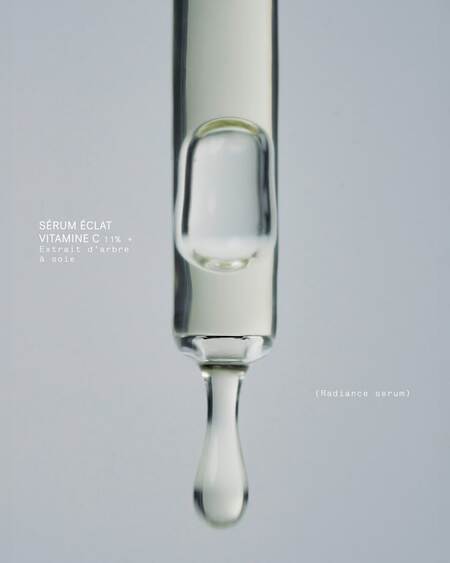
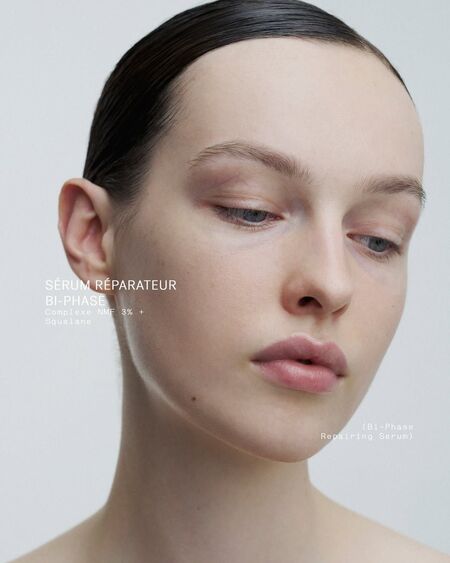
Typology Product Promotion
Which Social Media Do They Use?
Instagram* @typologyparis as main communication channel
Instagram* serves as Typology’s main communication channel and the basis for the brand’s presence in the digital environment. The platform serves as both a visual showcase and an educational resource where the brand presents products, explains active ingredients, and provides recommendations on skin care. Instead of relying on influencer-driven content or engaging beauty stories, Typology uses Instagram to strengthen its core positioning based on experience, transparency, and informed consumption. The account retains an aesthetic characterized by minimalistic product photos, a neutral color palette, and clean compositions that reflect the brand’s overall visual identity. In this way Instagram works as a tool to increase the credibility and trust of consumers.
*The social network is owned by Meta, which is recognized as an extremist organization and is banned in the Russian Federation.
Highlights
Alongside Instagram, Typology has been actively developing its presence on TikTok. While the platform requires a faster and more dynamic content format, the brand maintains the same educational approach. Content is centered around ingredient explanations, skincare advice, product demonstrations, and answers to common consumer questions. Instead of fully adapting to entertainment-driven trends, Typology uses TikTok to make skincare knowledge more accessible and to engage younger audiences without compromising its expert positioning. This parallel development of Instagram and TikTok allows the brand to balance authority with accessibility while maintaining a coherent communication strategy across platforms.
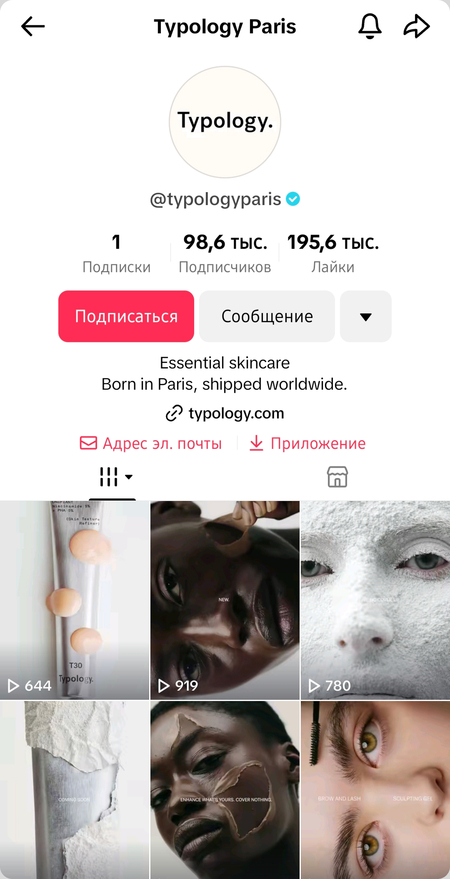
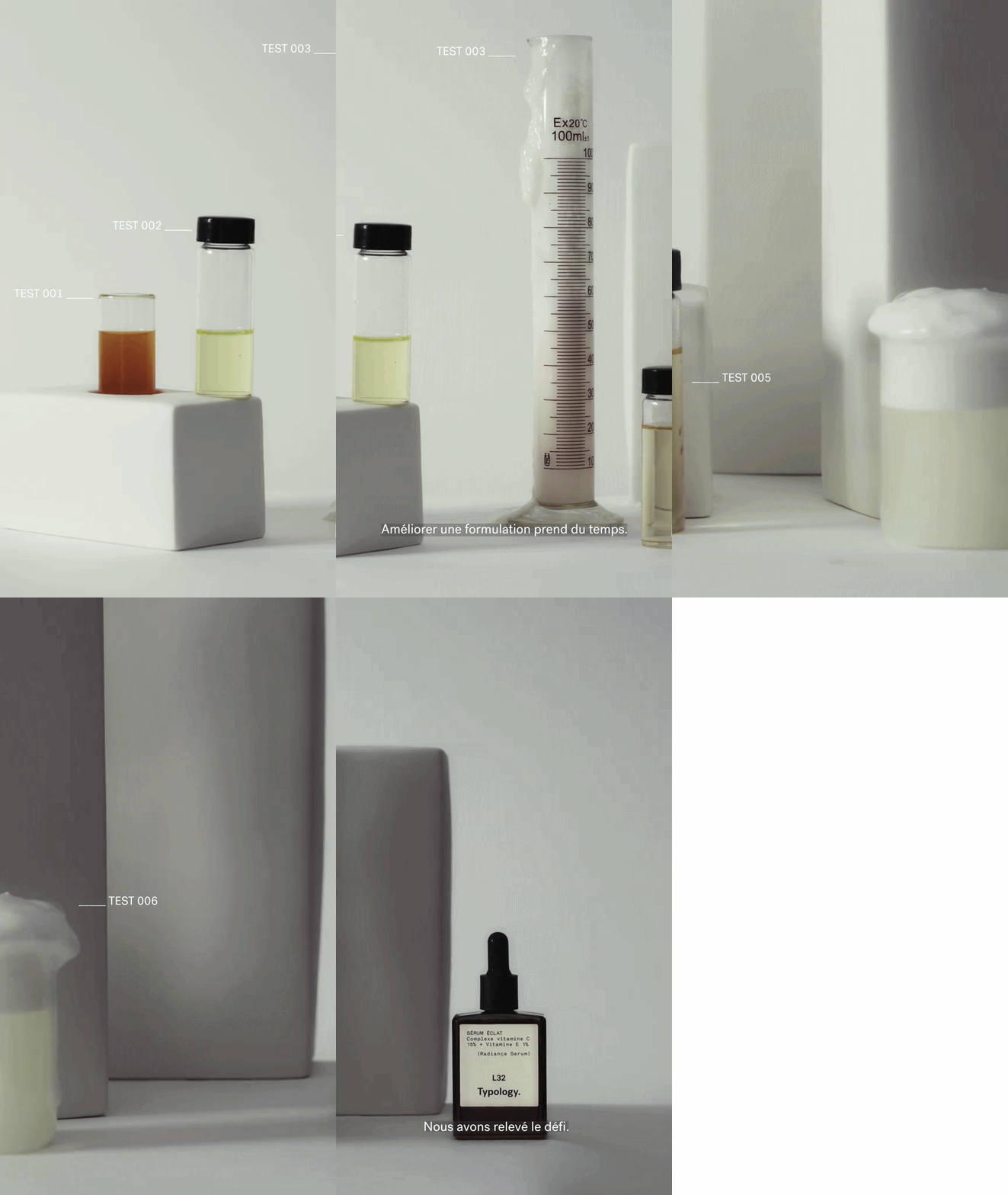
TikTok as a communication channel for younger audiences
What PR Strategies Do They Employ?
Typology’s public relations strategy is fundamentally different from the traditional beauty industry model. The brand focuses on building credibility through expertise and values-driven communication.That’s why one of the most important elements of the company’s PR strategy is founder-led storytelling. The background of founder Ning Li as a successful digital entrepreneur provides an additional layer of credibility and allows media narratives to position Typology as an innovative business model rather than simply another skincare brand. The brand also follows a product-led PR approach. Media coverage is often driven by product formulations, ingredient transparency, and the brand’s philosophy of simplicity. As a result, the products themselves become the primary communication asset.
Credibility in the field of education is another key element of the brand’s PR strategy. With ingredient-focused content, skin care recommendations, and scientific explanations, Typology consistently strengthens its position as an expert in its category. In addition the introduction of initiatives such as environmental commitments, responsible packaging and campaigns to combat overconsumption strengthen the brand’s reputation among consumers who value ethical business practices.
Typology actively leverages its rapid international growth and direct-to-consumer success as part of its corporate narrative. Expansion into new markets, product category development, and business performance milestones generate ongoing visibility within both business and beauty media, reinforcing the brand’s image as one of Europe’s leading digital-native beauty companies.
THEORETICAL FRAMEWORK
Elaboration Likelihood Model (ELM) & Social Exchange Theory (SET)
To analyze Typology’s communication strategy, this project applies two complementary theoretical perspectives: the Elaboration Likelihood Model (ELM) and Social Exchange Theory (SET). Together, these frameworks make it possible to examine both how the brand persuades consumers and how it builds long-term relationships with them.
Typology.com
The Elaboration Likelihood Model, developed by Petty and Cacioppo, explains persuasion through two distinct routes which are the central route and the peripheral route. The central route relies on careful evaluation of information and requires consumers to actively process arguments before making a decision. The peripheral route, by contrast, depends on cues that simplify decision-making, such as visual aesthetics, perceived expertise, credibility, or symbolic associations. According to the theory, both routes can influence attitudes and purchasing behavior, although they operate through different psychological mechanisms.
FAQ on the Typology website