
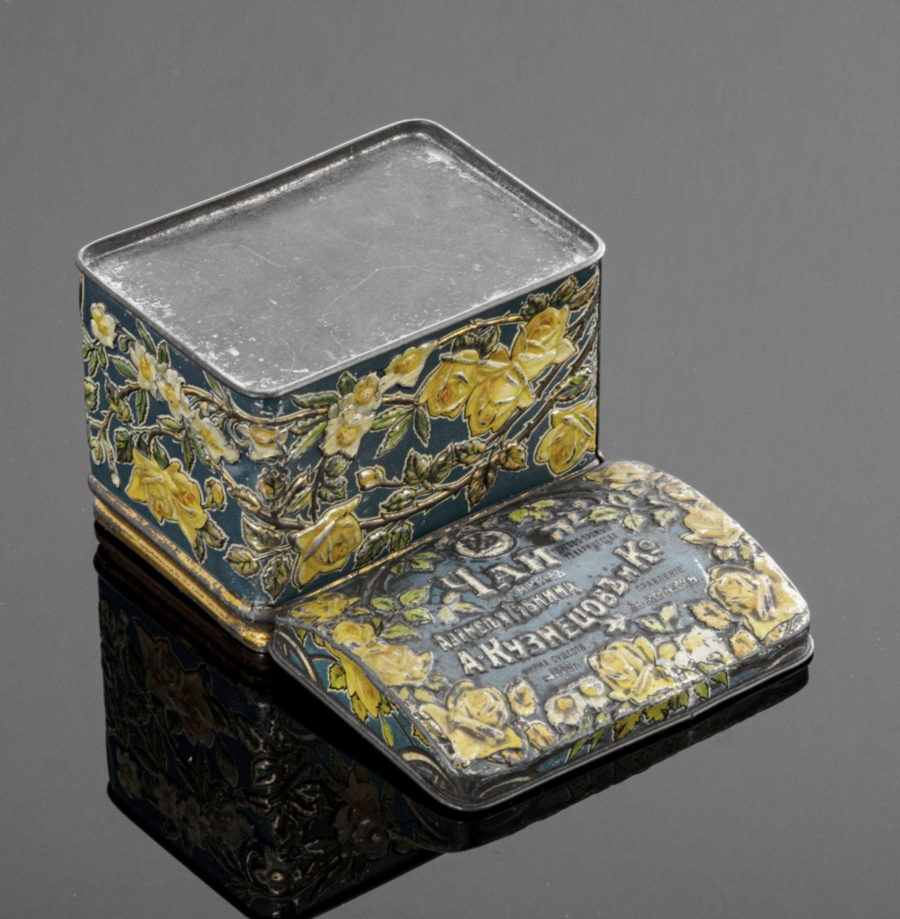
How Artificial Intelligence Helps Explore Packaging History
Data Sources · Processing Scheme · Guidelines
Media Concept
«Toward Packaging”—a media platform exploring the history of packaging, graphic design, and the visual culture of commodities. We investigate how labels, boxes, bottles, and logos have evolved, and we explain what these shifts tell us about the times, technologies, and culture of consumption. The core idea: packaging is a visual document of its era.
Why Media Needs AI
Historical packaging images are stored in various archives, catalogs, and collections. It is difficult to find, compare, and organize them quickly.
AI helps speed up searching, information extraction, classification, and drafting.
Humans verify historical accuracy, select interesting stories, and are responsible for the final publication.
Principle: AI processes the data; the human creates the meaning.
Data Sources
Museum Collections
Historical artifacts, dates, material descriptions, and manufacturer information.
Digital Archives
Scans of labels, promotional materials, and old catalogs.
Articles and Research
History of branding, graphic design, typography, and advertising.
Contemporary Packaging
Official brand websites and catalogs for comparison with historical examples.
Specific SourcesMuseum of Brands Science Museum Group Collection Digital Soviet Art The Dieline
What data does the media collect?
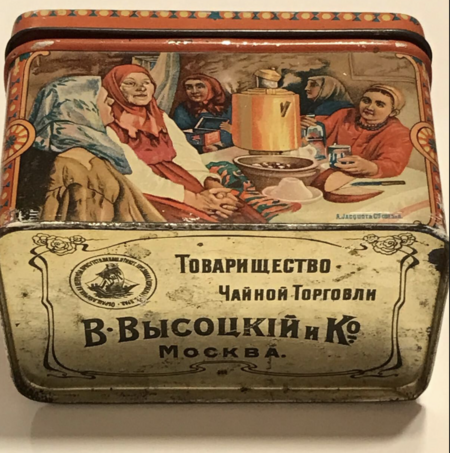
Category TeaPeriod Early 20th Century — requires verificationVisual Characteristics Decorative typography, ornamentation, red and gold colorsStatus Source and dating unverified
How Data Becomes a Publication
Guideline No. 1 — Data Sourcing and Collection
The automated service must locate materials relevant to the media theme and preserve information regarding their origin.
Rules: — Search only in pre-selected, reliable sources. — Save the original link and the date of access. — Do not fabricate the year, brand, or author. — If data is unavailable, state «unknown.» — Do not download or publish materials in a way that bypasses the source’s restrictions.
Result: A structured packaging card indicating data provenance.
Guideline No. 2 — Image Analysis
The AI analyzes the visual characteristics of the packaging: shape, color, typography, composition, illustration, and material.
It must distinguish between observed features and assumptions.
For example: Permissible
«The label uses a decorative font and a botanical ornament.»
Not permissible without a source
«This packaging was created in 1912 by a famous artist.»
If the image is unclear, the AI must note the ambiguity rather than fabricating details.
Guideline #3 — Creating Publications
AI helps transform verified data into accessible editorial content.
Text Requirements: — One publication equals one case study or one specific comparison. — Structure: interesting fact → narrative → visual analysis → conclusion. — Language should be simple, but without excessive oversimplification. — Historical claims must be supported by sources. — Fabricating quotes, events, or dates is strictly prohibited. — Generated reconstructions must be clearly labeled as such. — The final decision on publication rests with the editor.
Media transforms fragmented historical materials into understandable visual narratives. AI assists in searching, structuring, and analyzing information. Humans are responsible for the facts, context, original viewpoint, and publication quality.
AI helps us see more. The editor helps us understand the core message.