Introduction
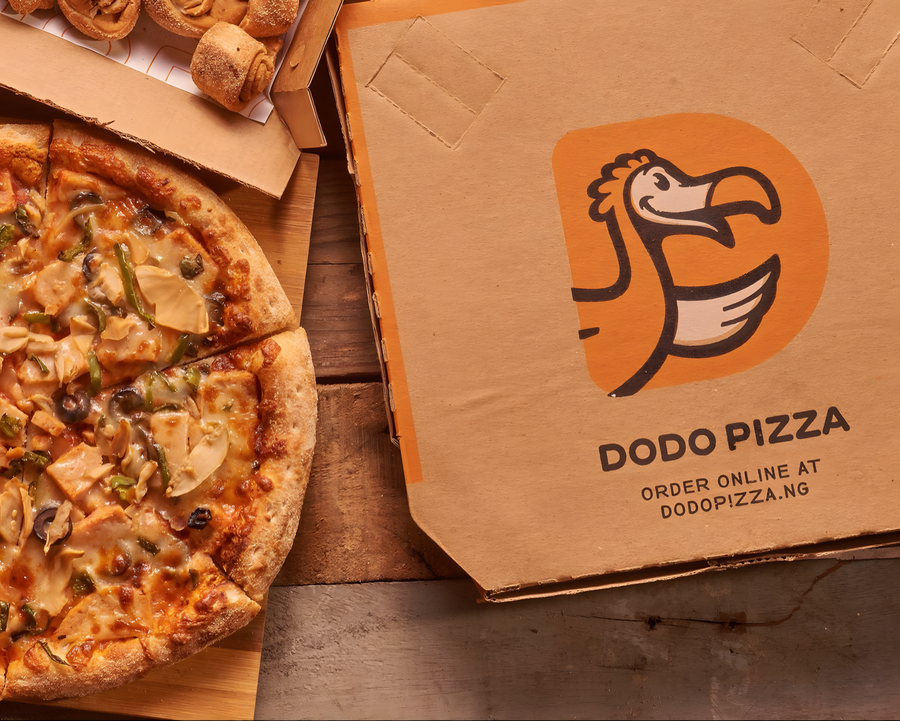
Brand overview
Dodo Pizza is an international pizza chain founded in Russia in 2011. The business is built around the QSR (Quick Service Restaurant) concept, with a core focus on delivery and technology. The company’s primary competitive advantage is its proprietary IT platform, Dodo IS. This system fully digitalizes all operations, from in-app ordering to kitchen management and logistics. The brand champions the values of radical transparency, featuring live kitchen webcams and making the network’s financial metrics publicly accessible.
Positioning
Dodo Pizza’s positioning is built on three core pillars: speed-driven technology, uncompromising quality, and radical openness. Rather than operating as a traditional pizzeria, the brand defines itself as an IT company that happens to sell high-quality food. This tech-first identity translates into a seamless digital customer journey and rapid delivery. Meanwhile, its commitment to excellence is maintained through rigorous food safety standards and fresh ingredients. Ultimately, by combining these strict operational benchmarks with full transparency—such as live-streaming their kitchens and honest communication—the brand fosters deep, lasting trust with its audience.
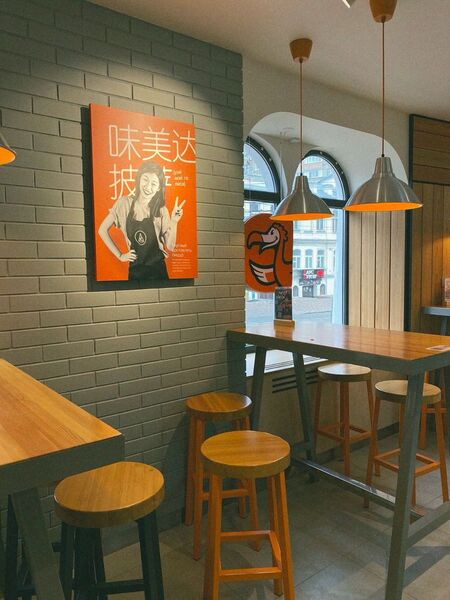

Target audience
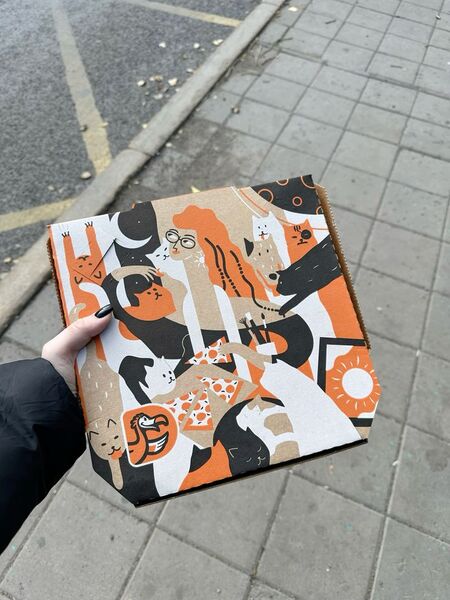
The core target audience of Dodo Pizza consists of digital natives and active urban residents, primarily men and women aged 18 to 35. Psychographically, this segment includes tech-savvy innovators, students, young professionals, and modern young families. Driven by a fast-paced lifestyle, these consumers highly value their personal time and are deeply integrated into the digital ecosystem, relying heavily on mobile apps for daily convenience. Ultimately, their purchasing decisions are guided by a strong preference for transparent brands that communicate clear, authentic values.
Communication Channels
Dodo Pizza uses a two-tiered SMM model: national and local. There’s a single national brand account that communicates shared values, global promotions, and major newsworthy events. At the same time, each individual pizzeria develops local communities to connect with residents of a specific city or region.


The company actively uses the following platforms:
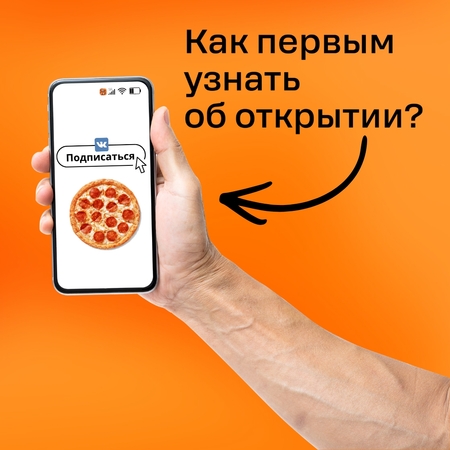
• VK is the brand’s primary social network. It boasts the largest and most engaged audience. The page is used for interactive activities, contests (such as DodoPuzzle), news publications, and gamification through widgets and newsletters. VK is a key local marketing channel.
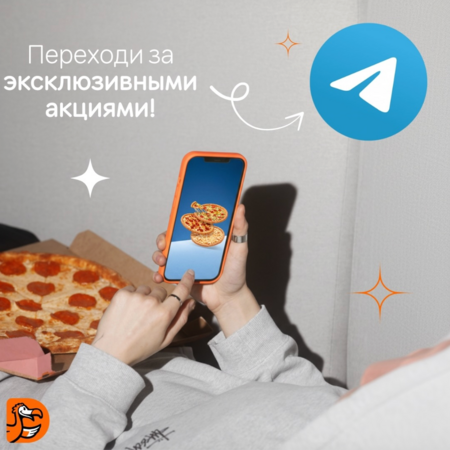
• Telegram (banned in Russia) is a platform for timely content and situational marketing. The brand’s official channels publish live, informal posts, announcements of new products, polls, and memes.
• Instagram (banned in Russia) is a visual showcase of aesthetically pleasing behind-the-scenes footage from filming, influencer marketing, and demonstrations of delicious new menu items.
Dodo Pizza’s PR strategy goes far beyond banal fast-food advertising. They sell more than just food, but an experience built on trust:
• The brand has transformed the business into an honest reality show. They opened their kitchens for free tours, launched 24/7 live streams of food preparation on their website and app, and made financial statements for all their locations publicly available.
• Founder Fyodor Ovchinnikov’s open blog, The Power of the Mind, has become a source of trust in the company. The leaders' communication of their personal values and their honest accounts of their mistakes and victories have shaped the «human face» of the business, which the new top management team continues to develop.
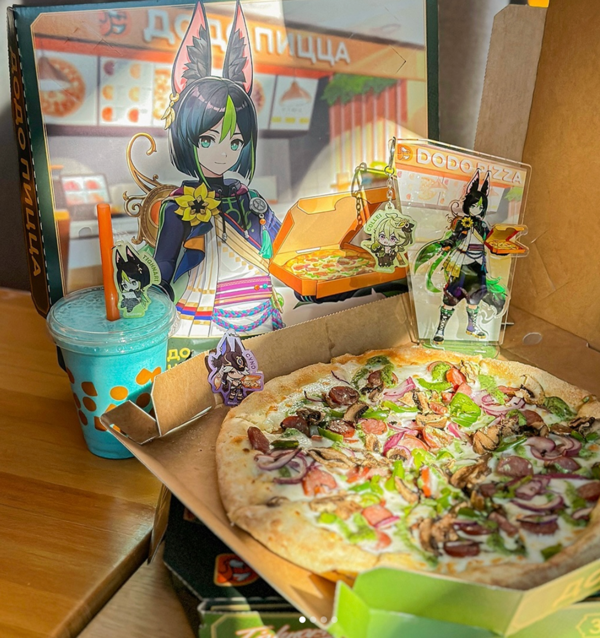
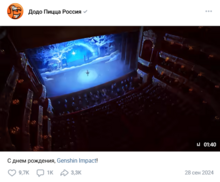
• Dodo attracts a youth audience through integrations with popular games, anime, and pop culture. Large-scale special projects, such as those based on the Genshin Impact universe, with unique merchandise and themed boxes, generate instant buzz in the media and on social media.
• The brand actively develops environmental, charitable, and inclusive projects. Open support for charities and optimized packaging to reduce waste attract conscious consumers who want to change the world for the better with their favorite brand.
Analysis
To analyze the visual material, we draw on Dialogic Theory. It is particularly relevant is particularly relevant to studying Dodo Pizza, as the brand’s business model and philosophy are built on the principles of radical openness, co-creation, and the breakdown of hierarchy between corporation and consumer.
Post screenshots
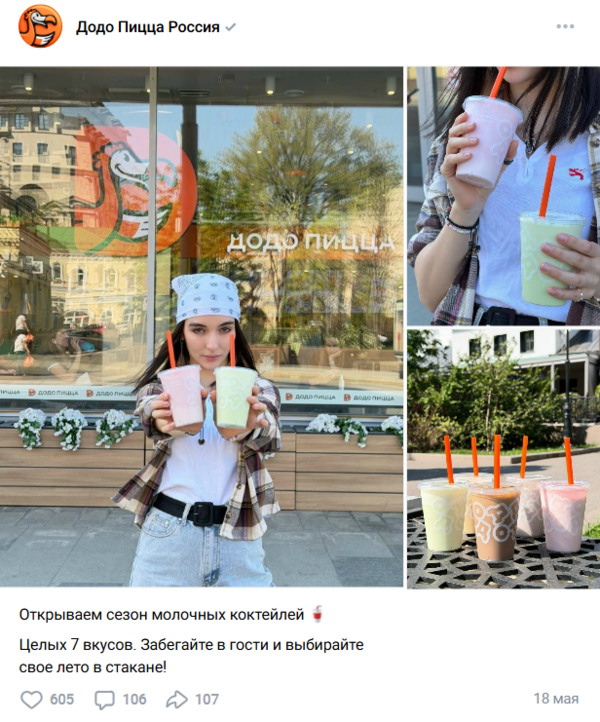
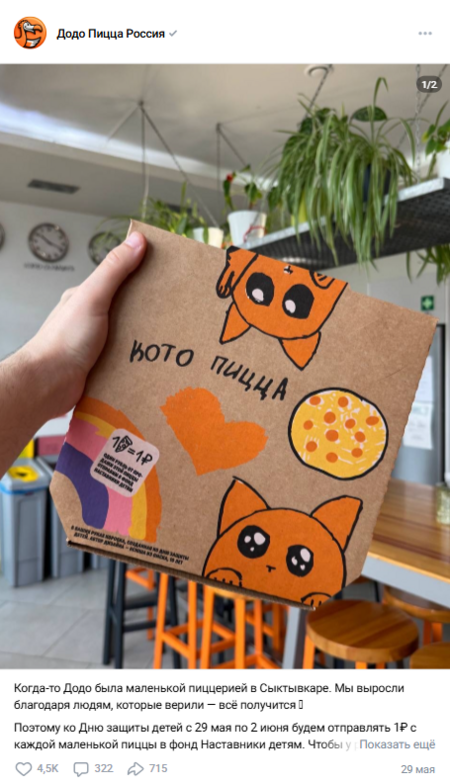
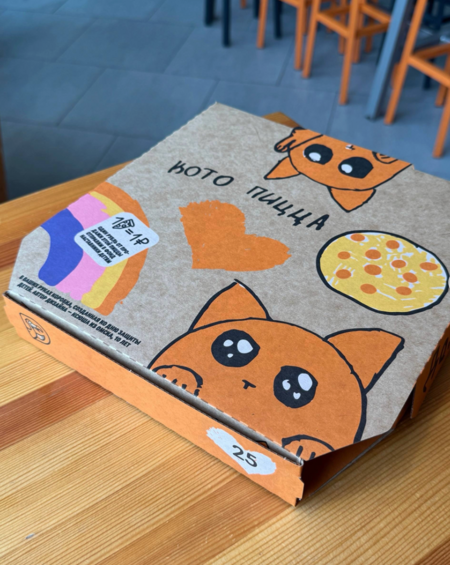
In the milkshake post, the corporate hierarchy is broken down through the use of lively, authentic UGC content and the informal invitation to «drop by for a visit,» which turns the customer into a welcome interlocutor. In the «Koto-Pizza» (Cat-Pizza) publication, the brand openly conveys vulnerability by recalling its humble past in Syktyvkar and involves the audience in co-creating social value through a charity campaign. The use of a deliberately craft-like, «imperfect» children’s design on the packaging instead of a rigid brand book demonstrates a willingness to share visual space with consumers.
Collaborations
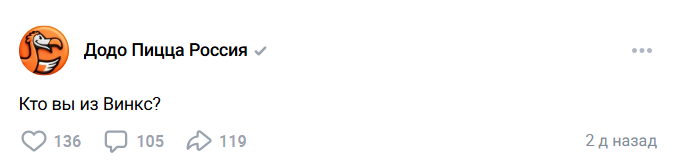
The analysis of the posts about Winx and Genshin Impact confirms Dodo Pizza’s rejection of traditional hierarchical advertising in favor of subcultural integration and horizontal dialogue. In the Winx publication, the brand utilizes pure dialogic mechanics: a single concise question engages the audience in playful interactivity, stimulating self-expression and the co-creation of meaning in the comments section. The large-scale collaboration with Genshin Impact demonstrates the brand’s high creative competencies: instead of direct product sales, Dodo Pizza seamlessly integrates into the gaming culture through high-quality cross-media storytelling. Respect for the fans' interests and the use of their cultural codes transform the brand from a commercial retailer into an organic part of youth communities.
Banners
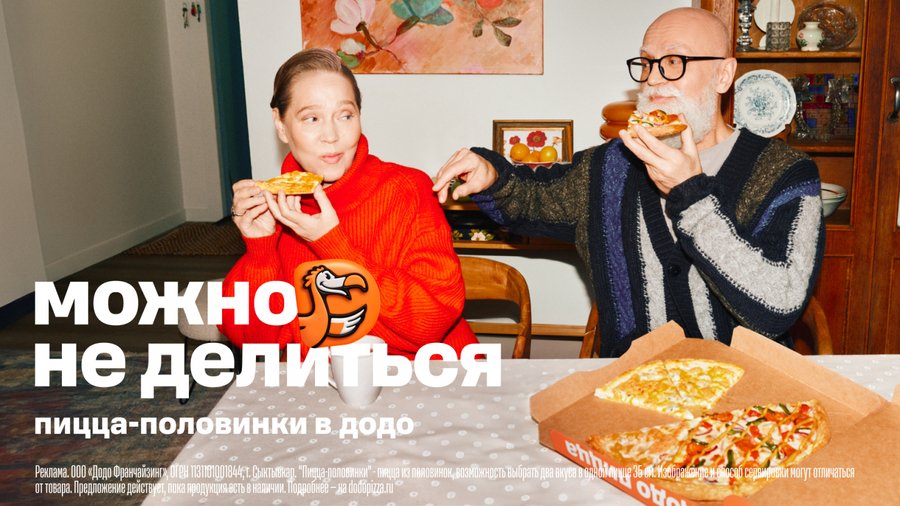
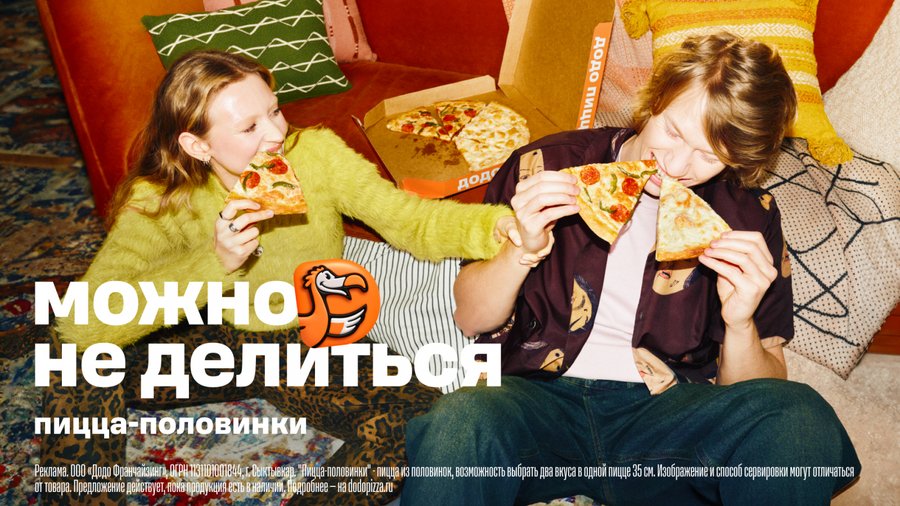
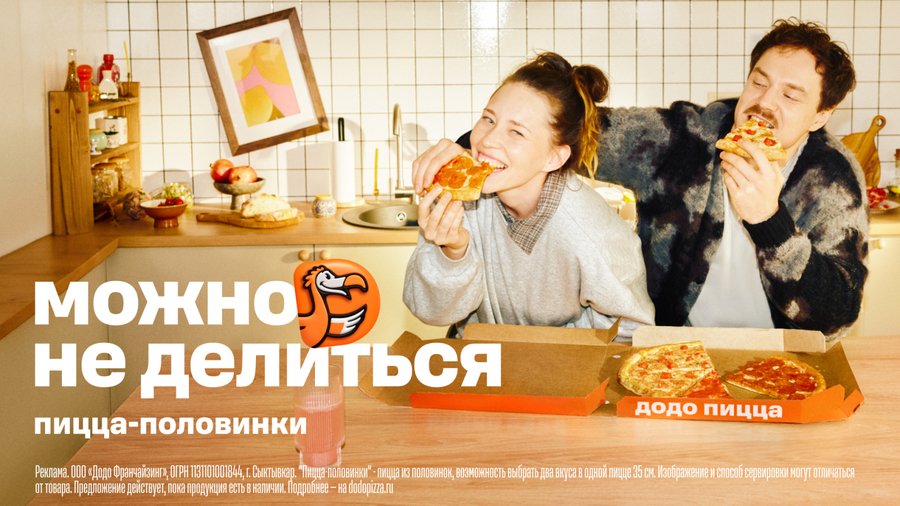
Dodo Pizza’s «Loving Isn’t Sharing» Advertising Campaign
Dodo Pizza’s «Loving Doesn’t Mean Sharing» advertising campaign is a memorable example of rejecting the traditional monologue and embracing live audience interaction.
Mutuality The brand communicates with customers on a personal level and eschews glossy standards. The shot of a typical apartment floor and the slogan «You don’t have to share» legitimize the normal human desire to eat the team’s favorite dish. Dodo acts not as a preachy lecturer, but as an understanding friend.
Propinquity The product (half pizza) solves the perennial problem of shared choice in couples and groups. The brand engages the audience in co-creation at the level of customization: customers construct the product themselves from their favorite flavors, and the advertising fits seamlessly into their everyday context.
Empathy Dodo rejects advertising cliches about the «perfect sharing of a meal» and embraces people’s real feelings. The brand openly states: «We know that sometimes it’s hard to give up your slice, and that’s okay.» A clear disclaimer at the bottom of the layout also reaffirms its respect for the customer.
Risk A message that goes against the social norm of «sharing is good» is a conscious risk of being criticized for being «selfish.» However, the willingness to break the mold and show imperfect yet genuine emotions makes the brand vulnerable and simultaneously authentic.
Commitment The campaign’s provocative slogan intentionally engages the audience in discussion. Users begin debating and sharing stories on social media. The brand actively encourages this engagement in the comments, proving that communication and values are more important to it than a one-time sale.
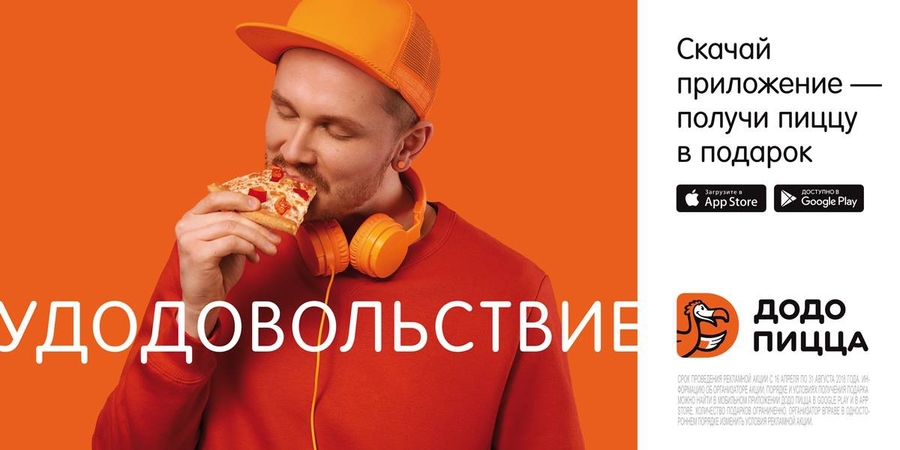
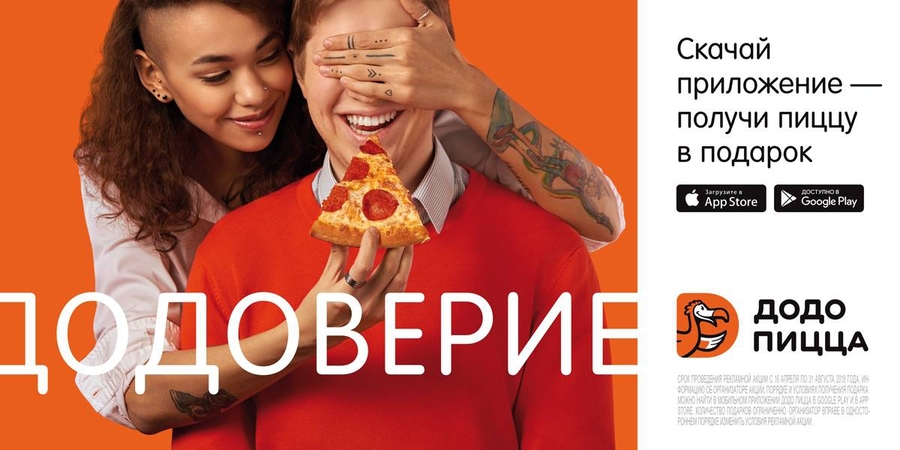
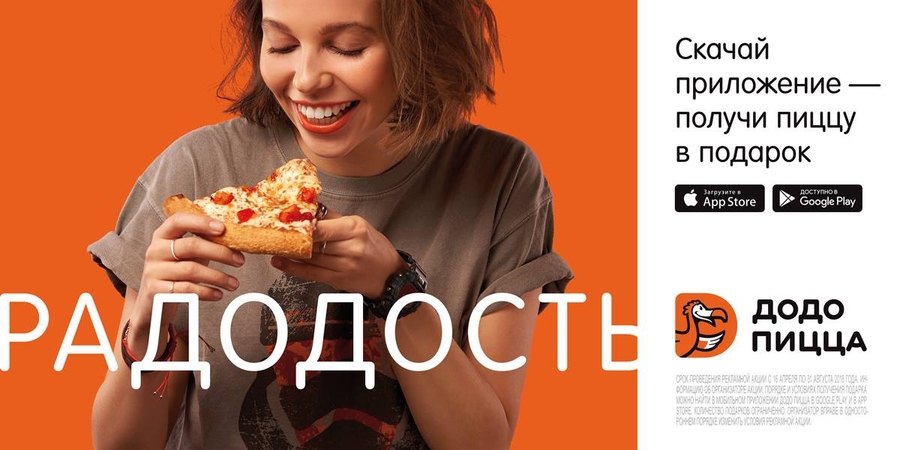
Dodo Pizza’s first federal campaign
In its first federal campaign, Dodo Pizza for the first time publicly proclaims its core values — honesty and openness.
Mutuality The advertising completely departs from the traditional «seller and buyer» format. The word «Dodoverenie» (Trust) places the customer and the brand on the same level. The banner depicts the lively, informal relationship of a young couple. The brand communicates with the audience as an old acquaintance who isn’t simply selling food, but offers to build an honest, friendly, and equal relationship.
Propinquity The campaign creates a shared space of trust through a clear and concise offer: «Download the app and get a free pizza.» Dodo immediately engages people in interaction within its digital ecosystem. The brand doesn’t simply project an image; it invites them to take the first step toward connecting with each other in their everyday lives.
Empathy The brand understands the main barrier for new customers—the fear of being deceived or disappointed with an unknown product. Dodo demonstrates empathy, reducing this risk to zero. The gift for downloading the app is a gesture of care and understanding. The company is saying, «We know how important it is to try and trust first, so we’ll take the first step.»
Risk This campaign represents a huge financial and reputational risk for the brand. Giving away pizza to every new user nationwide requires courage. Furthermore, the very promise of «Dodoverenie» (Trust) obligates the company to be impeccably honest. The brand is openly accepting this vulnerability, staking its reputation on the opinions of millions of new customers.
Commitment The «Dodoverenie» slogan is not a one-time promotion, but a long-term promise. Through the app, which the ad encourages customers to download, they gain access to an ongoing dialogue: live streams from kitchens, order evaluations, and direct contact with customer support. The brand is laying the foundation for endless communication from the start, not a single sale.
Replies to comments
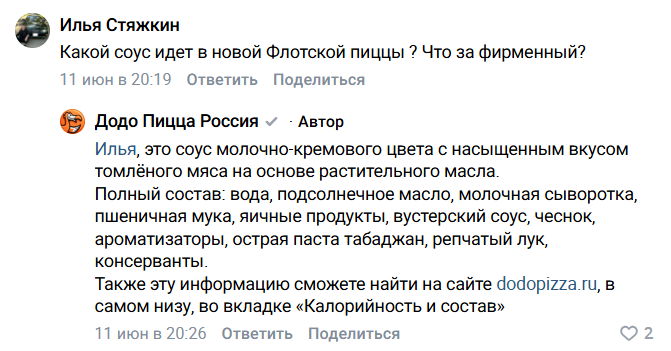
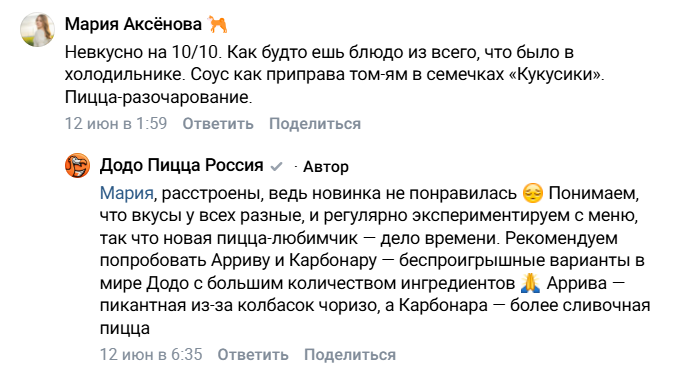
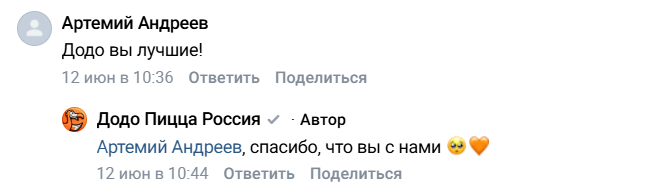
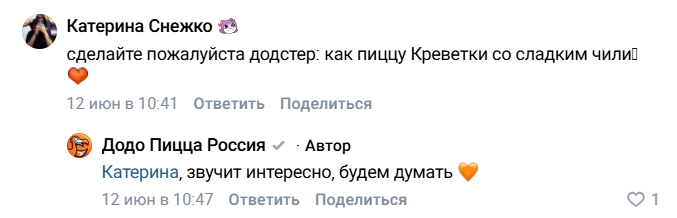
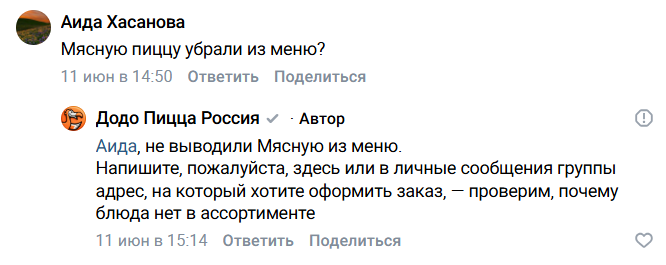
Responses under the new posts