
INTRODUCTION
Drinkit is a coffee chain that has built its business model around digital customer experiences. Unlike traditional coffee shops, where communication mainly occurs in physical locations, Drinkit integrates customer interaction into a digital ecosystem centered on its mobile application. Through the app, users can place orders, customize beverages, receive recommendations, and participate in loyalty programs.
The brand positions itself as a convenient and technology-oriented service for urban consumers. Its communication focuses on speed, personalization, and innovation, presenting coffee consumption as part of a modern digital lifestyle.

Drinkit’s primary target audience consists of people aged 18–40, including students, young professionals, and active smartphone users. These consumers are highly engaged with digital platforms and generally prefer personalized services and convenient mobile solutions.
The company also strengthens its visibility through collaborations with well-known brands.

COMMUNICATION CHANELLS
Drinkit relies on a combination of owned media, social media, and public relations activities.
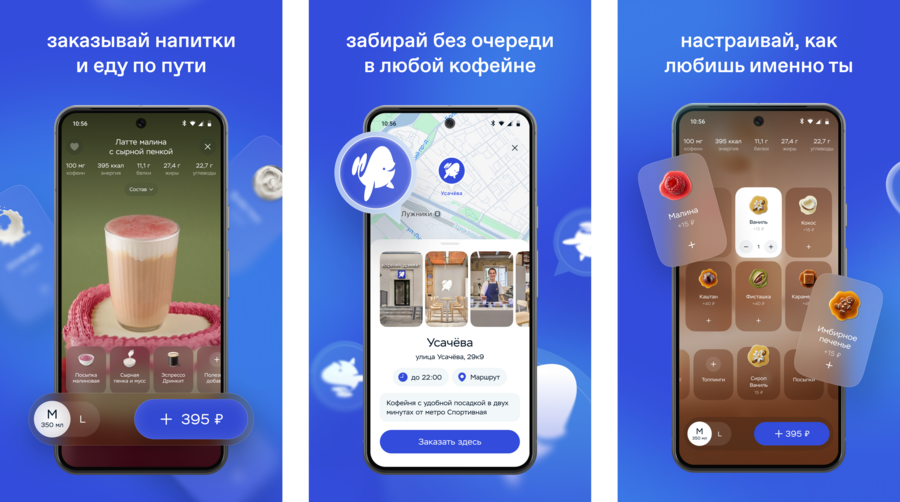
The mobile application serves as the company’s most important communication channel. It functions not only as a tool for ordering coffee but also as a platform for customer engagement. Users receive recommendations, collect loyalty rewards, and interact with personalized content.
Instagram is the brand’s primary visual communication platform. The company uses it to promote new products, seasonal campaigns, and collaborations. The content emphasizes modern design, product photography, and lifestyle-oriented imagery that reinforces the brand’s identity.
Telegram functions as a direct communication channel through which Drinkit shares company news, promotions, and product launches. VKontakte provides additional opportunities for audience interaction through comments and community discussions.
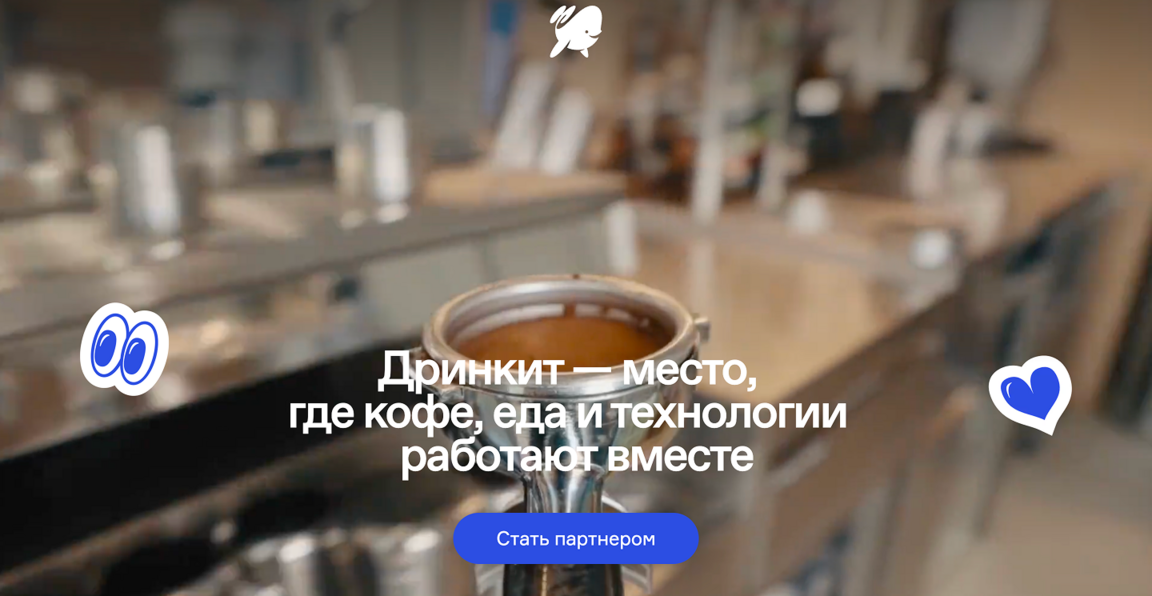
The company website acts as an official information source, offering details about products, promotions, locations, and career opportunities.
In addition to digital channels, Drinkit actively uses PR activities and brand collaborations. Partnerships with brands such as AXIS-Y generate media coverage and increase brand awareness, while technological innovations, including AI-powered recommendation systems, help position Drinkit as an innovative company.
THEORETICAL FRAMEWORK
This study applies the Elaboration Likelihood Model (ELM) and Dialogic Theory.
The Elaboration Likelihood Model, developed by Richard Petty and John Cacioppo, explains how audiences process persuasive messages. According to the theory, persuasion occurs through two routes. The central route involves rational evaluation of information and product characteristics, while the peripheral route relies on emotional responses, visual appeal, and positive associations.
Dialogic Theory focuses on relationship-building between organizations and audiences. Rather than viewing communication as a one-way transfer of information, the theory emphasizes interaction, feedback, responsiveness, and long-term engagement.
Together, these theories provide a useful framework for evaluating both Drinkit’s persuasive communication and its relationships with consumers.
ANALYSIS
Analysis Through the Elaboration Likelihood Model
Drinkit’s communication strategy incorporates both central and peripheral persuasion mechanisms.
The central route is visible in the mobile application. Before making a purchase, users can review ingredients, choose beverage sizes, customize recipes, compare options, and evaluate loyalty benefits. This process encourages active decision-making based on product information.
Drinkit also emphasizes practical advantages such as pre-ordering and queue avoidance. For busy urban consumers, these benefits represent rational reasons for choosing the brand over competitors.
At the same time, Drinkit actively uses peripheral persuasion. Its Instagram content relies on attractive visual design, high-quality photography, and contemporary aesthetics. These elements create positive emotional associations with the brand without requiring detailed product evaluation.
Brand collaborations provide another example of peripheral persuasion. The Nutella collaboration benefited from existing consumer familiarity with the partner brand. Customers were attracted not only by the beverage itself but also by the exclusivity and novelty of the limited-edition campaign.
A particularly interesting example is Drinkit’s AI-powered barista. On a practical level, the technology helps customers choose products and receive personalized recommendations. However, it also creates an image of innovation and technological leadership. As a result, both central and peripheral persuasion mechanisms operate simultaneously.