Данный проект является учебной работой студента Школы дизайна или исследовательской работой преподавателя Школы дизайна. Данный проект не является коммерческим и служит образовательным целям
Проект принимает участие в конкурсе
Исходный размер 2048x740

Block 1: Introduction

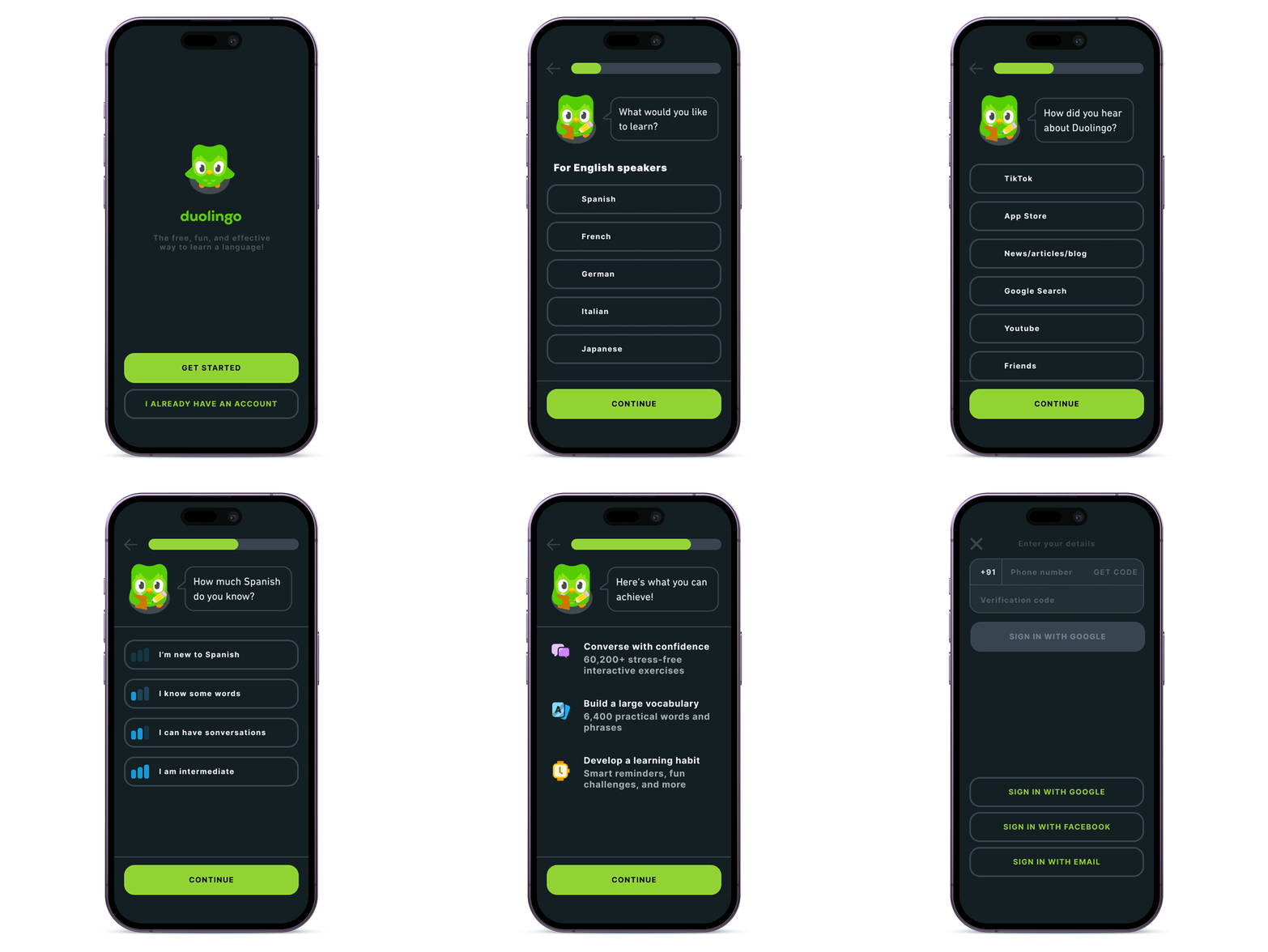
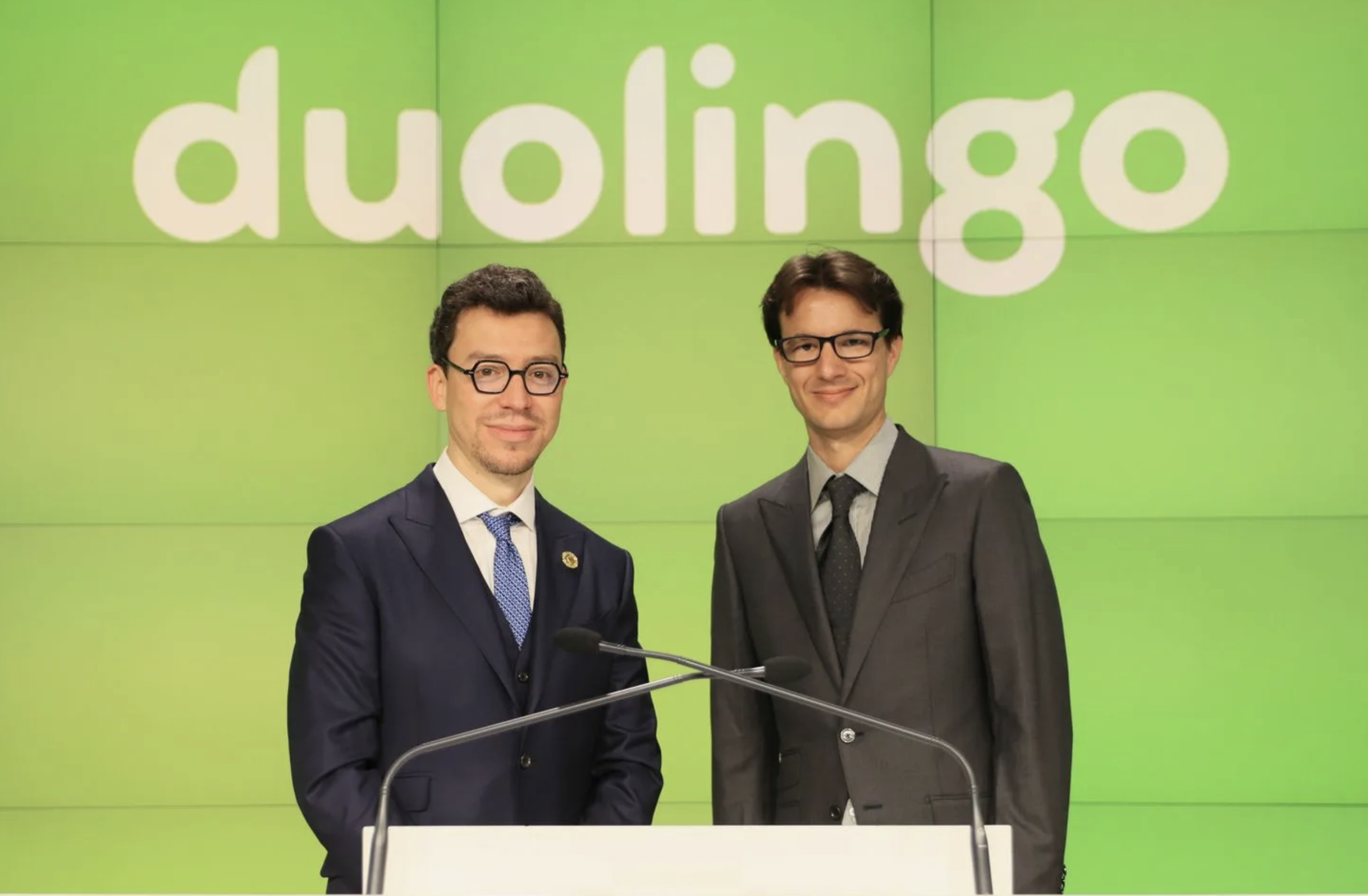
Duolingo is an American educational technology company founded in 2011 by Luis von Ahn and Severin Hacker. It is the world’s most downloaded language-learning application, available in over 40 languages and used by more than 500 million registered users globally.
Исходный размер 2437x1597

Luis von Ahn and Severin Hacker

post

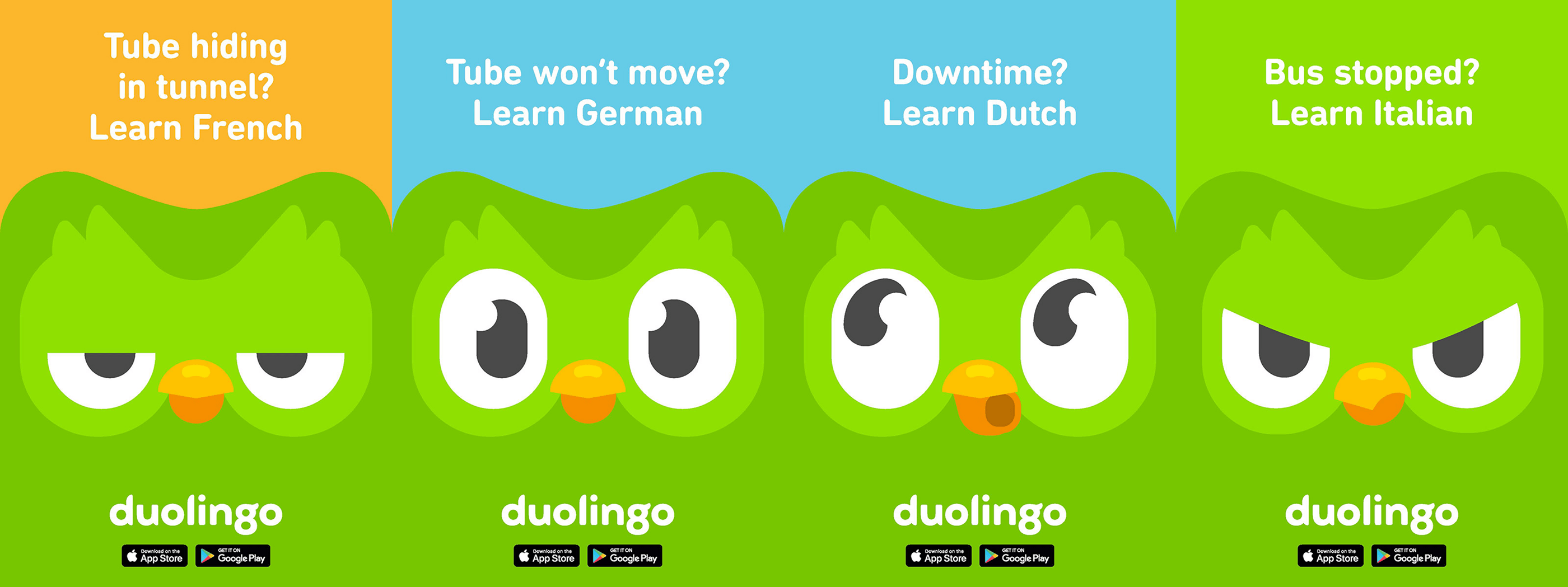
Duolingo positions itself around one central promise: language learning should be free, fun, and effective for everyone. It differentiates itself from traditional language education through gamification, short daily lessons, and a distinctly irreverent brand personality. The brand’s famous green owl mascot, Duo, has become one of the most recognizable figures in digital marketing — known for its passive-aggressive humor and meme culture presence.

App’s primarily targets:

• Gen Z and Millennials (ages 16–35) who are digitally native and respond to humor-driven content • Casual learners seeking accessible, low-commitment education • Students supplementing formal language education • Professionals looking to add language skills for career development • Secondary audience: parents choosing educational tools for children
Исходный размер 2139x864

The brand speaks to people who want self-improvement but resist traditional, boring educational formats.
Исходный размер 2800x1049

Block 2: Communication Channels & PR Strategies

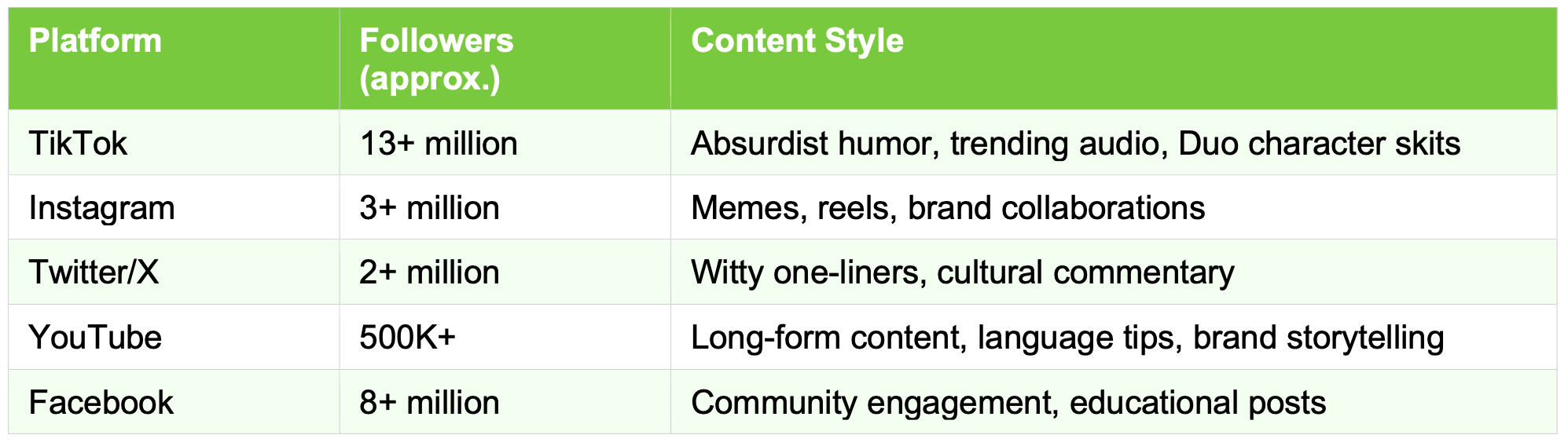
Duolingo operates across multiple platforms with a highly differentiated strategy per channel:
Исходный размер 1995x568

Also, it employs several notable PR and communication approaches:
post

Meme Marketing

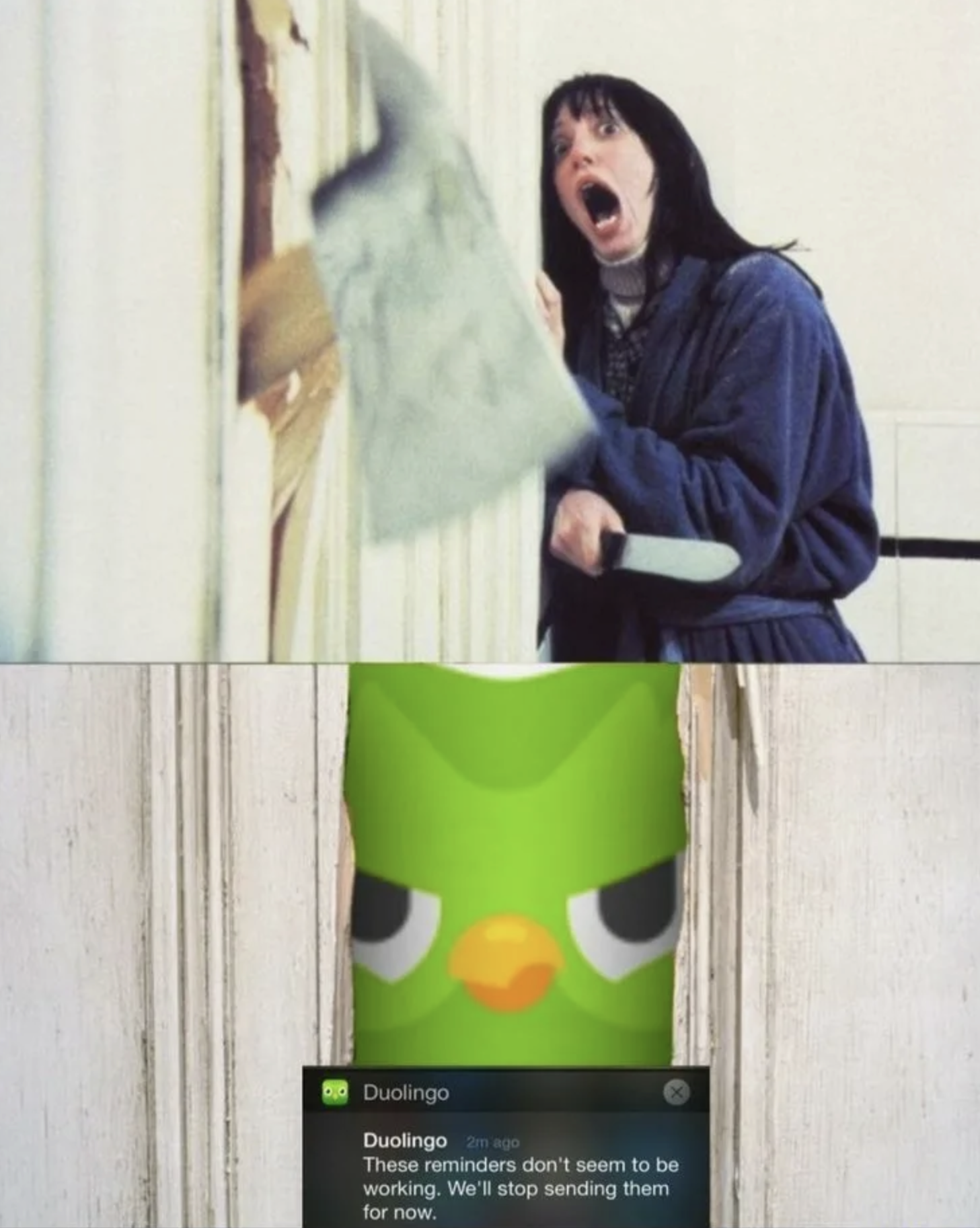
Duolingo was among the first major brands to build its strategy entirely around meme culture, particularly the «threatening owl» narrative where Duo reminds users to complete their lessons.

Character-Driven Marketing

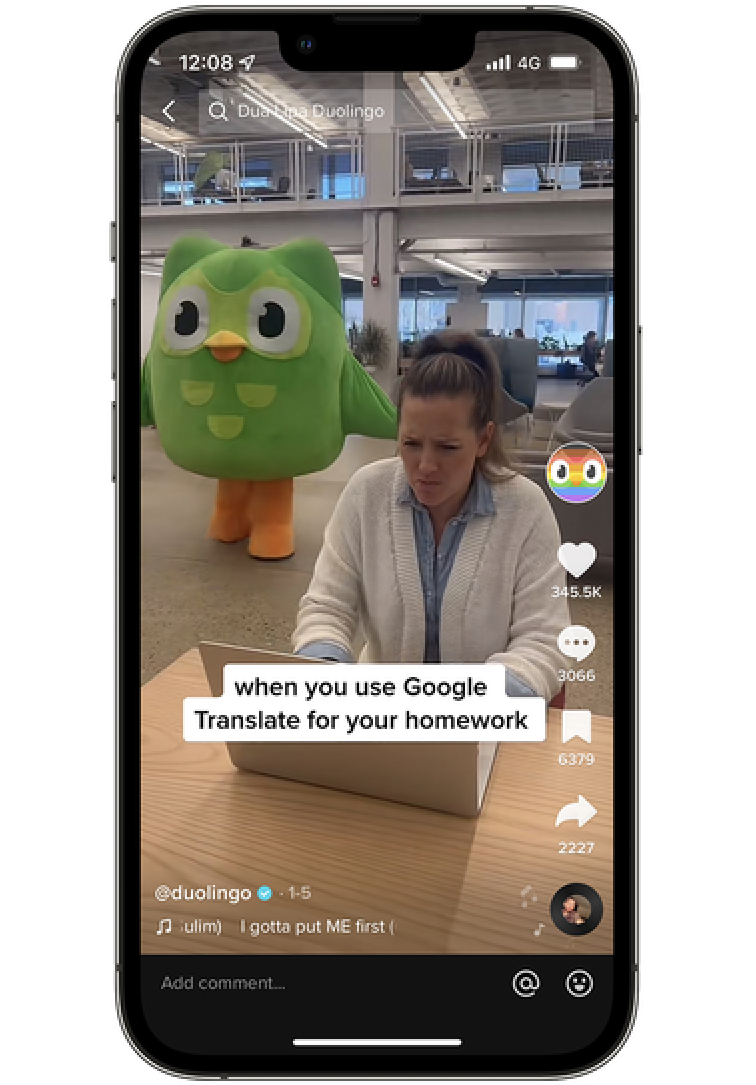
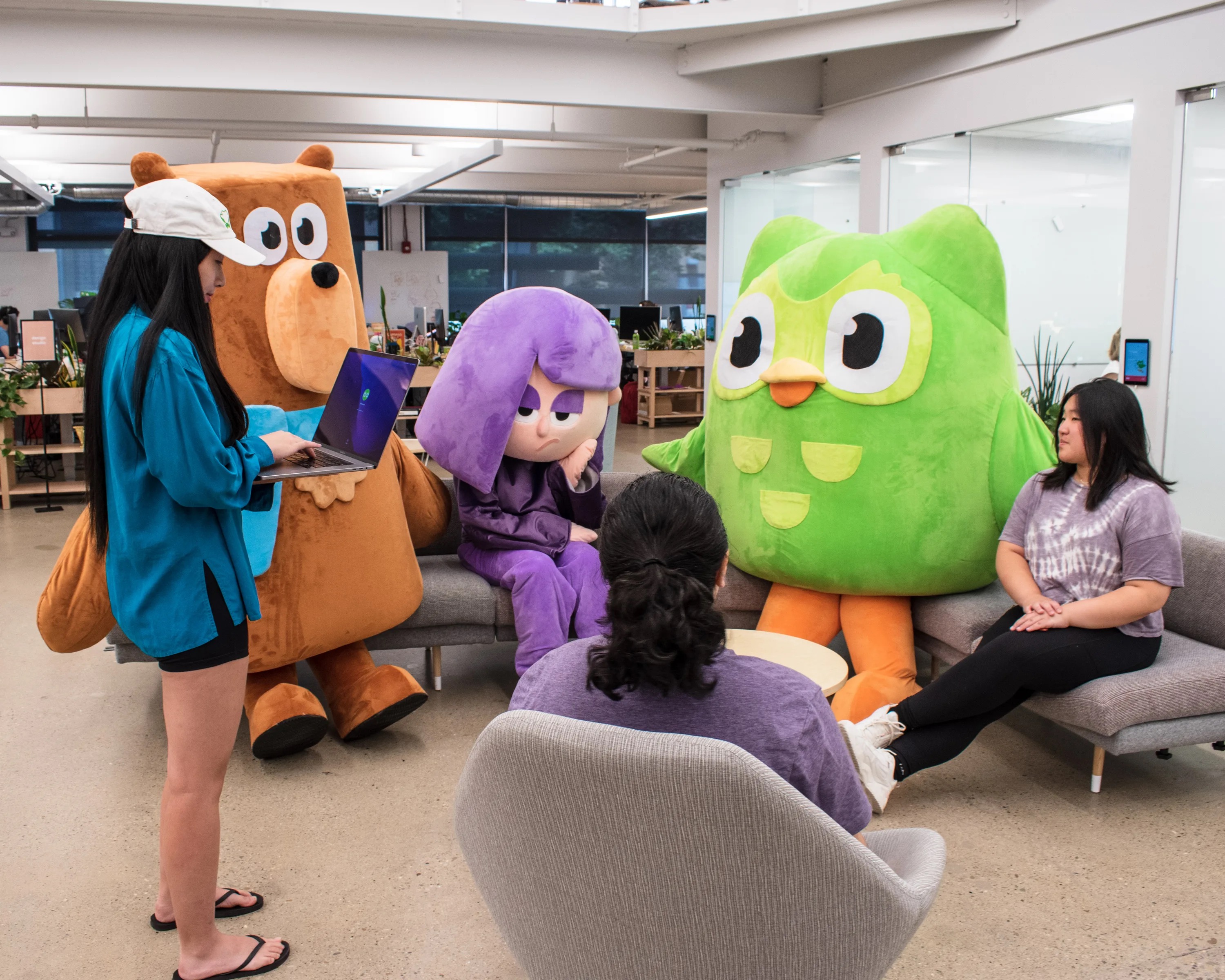
The Duo owl functions as a fully developed brand persona — appearing in real-world activorials, responding to users online, and participating in pop culture moments (Met Gala, sports events, celebrity interactions).

Исходный размер 1280x933

Duolingo sponsor ‘the other Qatar’ ahead of the controversial World Cup
post

Brand Collaborations

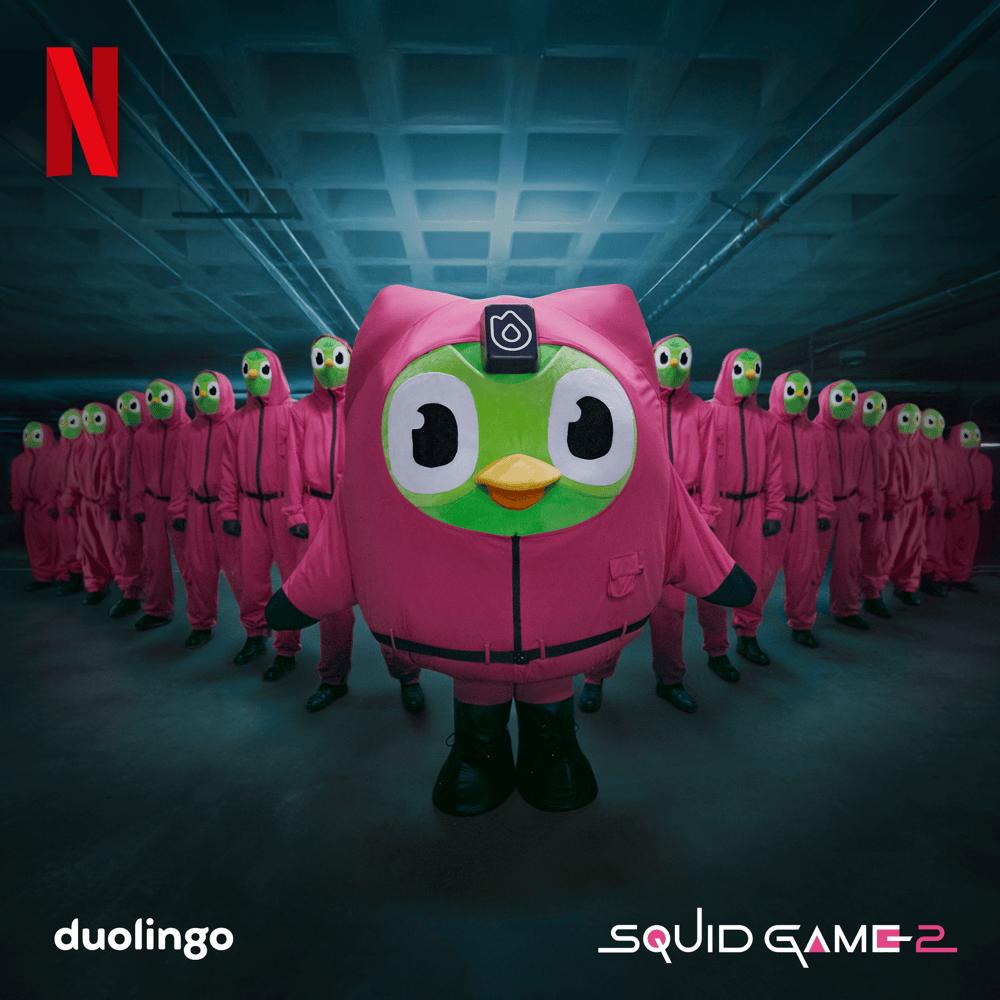
Duolingo has partnered with Netflix series (Squid Game, Wednesday), musicians, and other brands to generate earned media and reach new audiences.

Reactive PR

The social media team responds in real-time to trending cultural moments, inserting Duo into conversations organically.

Crisis-as-Content

When Duo the owl was «killed» in a marketing stunt in early 2024, it generated massive press coverage and user engagement — turning a fictional brand death into a global conversation.

Block 3: Theoretical Framework

Theory 1: Uses and Gratifications Theory

post

Introduced by Blumler and McQuail, Uses and Gratifications Theory (UGT) argues that the audience is active and purposefully selects media to satisfy specific needs. Rather than asking what media does to people, it asks what people do with media.

This theory is highly applicable to Duolingo because the app and its social media presence are built around satisfying multiple user needs simultaneously: the need for entertainment, for self-improvement, for social belonging, and for identity expression. Users don’t just passively receive Duolingo content — they seek it out, share it, and co-create around it (memes, reaction videos, «Duo threatening» jokes).

Исходный размер 800x900
post

Key gratifications Duolingo satisfies:

• Diversion — humor and entertainment through Duo’s personality • Personal identity — association with a brand that values self-improvement • Social interaction — shared meme culture creates community • Surveillance — language tips and educational content

Theory 2: Dialogic Theory
post

Developed by Kent and Taylor, Dialogic Theory argues that organizations should build quality relationships with publics through genuine two-way communication characterized by mutuality, empathy, risk, propinquity, and commitment.

Duolingo’s social media strategy, particularly on TikTok and Twitter, provides a compelling case for analyzing how (and how well) a brand can implement dialogic principles at scale. The brand frequently responds to user comments, engages in real conversations, takes creative risks, and demonstrates a genuine willingness to be vulnerable and humorous — all core elements of dialogic communication.

Block 4: Analysis

Applying Uses and Gratifications Theory

Duolingo’s TikTok strategy directly addresses the five categories of audience needs identified in UGT:

post

Diversion

Duolingo’s TikTok content almost never teaches language directly. Instead, it produces skits, dances, and absurdist scenarios featuring Duo. A typical video might show Duo attending a celebrity event or «mourning» a user who missed their streak. This content diverts users from routine and provides entertainment — satisfying the diversion gratification even among users who have never opened the app.

Personal Identity

Following Duolingo signals something about who you are — someone who values humor, self-awareness, and a non-traditional approach to self-improvement. The brand actively cultivates this identity marker. When users share Duolingo memes, they communicate something about their own personality.
Исходный размер 1200x593
post

Social Interaction

The «Duo is watching you» meme became a cultural phenomenon because it gave users a shared reference point. Comment sections on Duolingo posts are highly active, with users building on jokes together — creating a participatory community around brand content.

Surveillance

Embedded within the entertainment, Duolingo delivers genuine educational value — language facts, learning tips, and motivational content — satisfying users' need to stay informed.

Visual Evidence — UGT Application

The structure of Duolingo’s TikTok profile demonstrates multi-gratification design: • Pinned videos feature Duo in narrative scenarios (diversion) • Comment reply videos create dialogue (social interaction) • Occasional «did you know?» language posts (surveillance/learning) • Streak celebration content reinforces user identity (personal identity)

Исходный размер 800x457

Applying Dialogic Theory

Analyzing Duolingo’s online communication against Kent and Taylor’s five dialogic principles:

post

Mutuality

Duolingo consistently acknowledges its interdependence with users. The entire brand narrative — «Duo needs you to practice» — frames the relationship as mutual rather than one-directional. The brand regularly credits user-generated content and responds to individual comments, demonstrating recognition that users and brand are bound together.

Propinquity

Duolingo excels at real-time communication. During major cultural events (Grammy Awards, World Cup, viral news moments), the social team inserts Duo within hours, sometimes minutes. This immediacy creates a sense of genuine presence and conversation happening now, not scheduled content pushed days later.

Empathy

The brand demonstrates empathy through humor about the shared experience of language learning struggles. Rather than positioning itself as an authority lecturing users, Duolingo acknowledges the difficulty of maintaining streaks, the frustration of forgetting vocabulary, and the absurdity of learning through an app — creating a climate of supportiveness.

Исходный размер 920x581
post

Risk

Duolingo regularly takes communication risks. The «Duo’s death» campaign in January 2024 — where the brand announced Duo had died, complete with a funeral aesthetic and grief-stricken posts — was a significant gamble. It could have alienated users or seemed manipulative. Instead, it generated widespread sympathy, humor, and enormous press coverage, demonstrating that genuine risk-taking in communication builds rather than destroys relationships.

Commitment

Duolingo’s social media team maintains consistent, high-volume engagement across platforms. The brand does not disappear between campaigns or post only promotional content. This sustained presence demonstrates genuine commitment to ongoing conversation with its publics.

Dialogic Loop Analysis

Applying the online dialogic loop criteria specifically:

Исходный размер 1990x757

Block 5: Conclusion & Recommendations

Effectiveness Assessment

Duolingo’s communication strategy is remarkably effective when measured against both theoretical frameworks applied in this analysis.

post

Through the lens of Uses and Gratifications Theory, Duolingo has achieved something rare: a brand whose content people actively seek out for entertainment independently of any purchasing intent. Users who have never downloaded the app share Duolingo memes. This represents a gratification-first strategy where the brand provides genuine entertainment value before asking anything of its audience — a model that builds enormous goodwill and organic reach.

Through the lens of Dialogic Theory, Duolingo demonstrates that large-scale dialogic communication is achievable with the right organizational commitment and creative risk tolerance. The brand genuinely listens, responds, takes risks, and treats its audience as partners in an ongoing narrative rather than targets for messaging

Tensions and Weaknesses

post

Entertainment vs. Education

Duolingo’s social media brand is so entertainment-focused that it sometimes overshadows its educational mission. Users who engage deeply with Duo’s TikTok presence may not translate that engagement into actual app usage or language learning. The gratification of entertainment may substitute for rather than drive the gratification of learning.

Scale vs. Authenticity

As the brand’s social media team grows and strategy becomes more sophisticated, there is a risk that the perceived spontaneity and authenticity — core to dialogic communication — begins to feel manufactured. The «Duo death» campaign, while effective, showed signs of strategic orchestration that slightly undermines the propinquity principle.

Meme Longevity

Meme-based brand identity has a short shelf life. The «threatening owl» narrative has already become familiar enough to risk feeling stale. Duolingo must continuously evolve its creative language while maintaining brand consistency.

Recommendations

post

Deepen the Educational Content Layer

Without abandoning its entertainment-first approach, Duolingo should increase the proportion of content that directly demonstrates language learning value — short vocabulary videos in Duo’s voice, cultural context pieces, learner success stories. This would strengthen the surveillance gratification and reinforce the brand’s core mission.

Develop More Genuine User Dialogue

While Duolingo responds to comments effectively, most engagement is still brand-initiated. Creating structured opportunities for users to co-create content — language challenges, community lessons, collaborative skits — would deepen the mutuality principle of dialogic communication.

Invest in Long-Form Storytelling

The brand’s episodic approach to Duo’s «life» works well in short-form content but has untapped potential in longer formats. A YouTube series following Duo’s language learning journey could extend engagement beyond scroll-stopping humor into genuine narrative investment.

Исходный размер 1280x700
post

Localize More Aggressively

Duolingo’s social media voice is predominantly English-language and American-cultural in its references. Given the brand’s global mission, more localized social media presences — with region-specific humor, cultural references, and language spotlights — would extend dialogic principles to non-English-speaking audiences more authentically.

Bridge Online Engagement to In-App Behavior

Analytics should track conversion from social media engagement to app opens and lesson completions. If the data shows low conversion, Duolingo should design content that more deliberately bridges entertainment engagement to learning behavior — maintaining humor while embedding clearer calls to educational action.

Block 6: List of Literature and Sources

Исходный размер 2455x651

Academic Sources:

• Blumler, J. G., & McQuail, D. (1969). Television in Politics: Its Uses and Influence. University of Chicago Press. • Kent, M. L., & Taylor, M. (1998). Building dialogic relationships through the World Wide Web. Public Relations Review, 24(3), 321–334. • Grunig, J. E., & Hunt, T. (1984). Managing Public Relations. Holt, Rinehart and Winston. • Petty, R. E., & Cacioppo, J. T. (1986). The elaboration likelihood model of persuasion. Advances in Experimental Social Psychology, 19, 123–205. • Ajzen, I. (1991). The theory of planned behavior. Organizational Behavior and Human Decision Processes, 50(2), 179–211. • Fisher, W. R. (1987). Human Communication as Narration: Toward a Philosophy of Reason, Value, and Action. University of South Carolina Press.

Brand and Media Sources

• Duolingo official website: https://www.duolingo.com • Duolingo TikTok: https://www.tiktok.com/@duolingo • Duolingo Instagram: https://www.instagram.com/duolingo • Duolingo Twitter/X: https://www.twitter.com/duolingo • Duolingo YouTube: https://www.youtube.com/@duolingo

Additional References

• Zantal-Wiener, A. (2023). How Duolingo’s social media team built a brand on TikTok. HubSpot Blog. • Moran, I. (2024). Duolingo’s Duo owl «death» stunt: What brands can learn. Marketing Week. • Lee, S. T. (2014). Dialogic theory and online government PR campaigns. Public Relations Review.

Images and GIF Source –– Yandex Images

Мы используем файлы cookies для улучшения работы сайта и большего удобства его использования. Более подробную информац...
Показать больше