Графический дизайн: айдентика с нуля
What is this course about?
Graphic design is a tool for visual communication that helps convey ideas, shape images, and build interaction with an audience using graphics, typography, color, and composition.
This course introduces students to the fundamental principles of graphic design and the sequential stages of developing visual solutions—from idea generation and reference analysis to concept development and final project preparation.
Throughout the course, students will complete a series of practical projects, each designed to master a specific aspect of graphic design and apply the acquired knowledge in practice.
The course is designed for beginners and involves a gradual immersion into the profession: from understanding the basic principles of visual communication to creating polished graphic works.
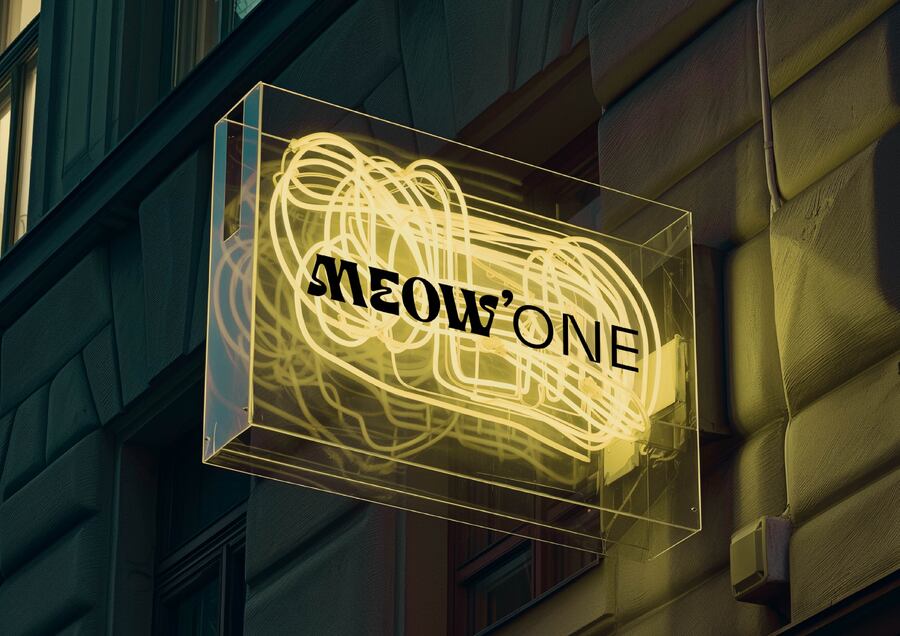
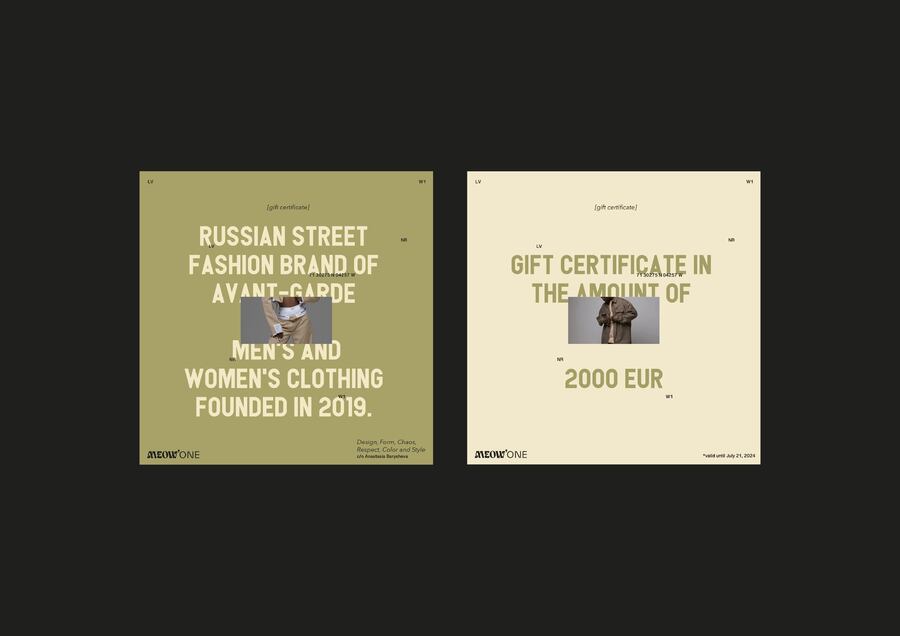
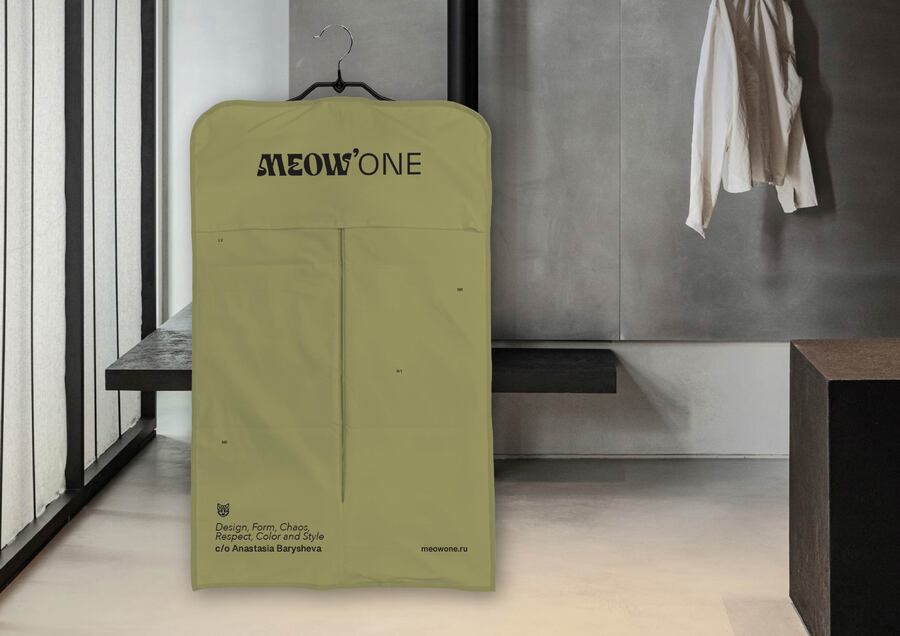
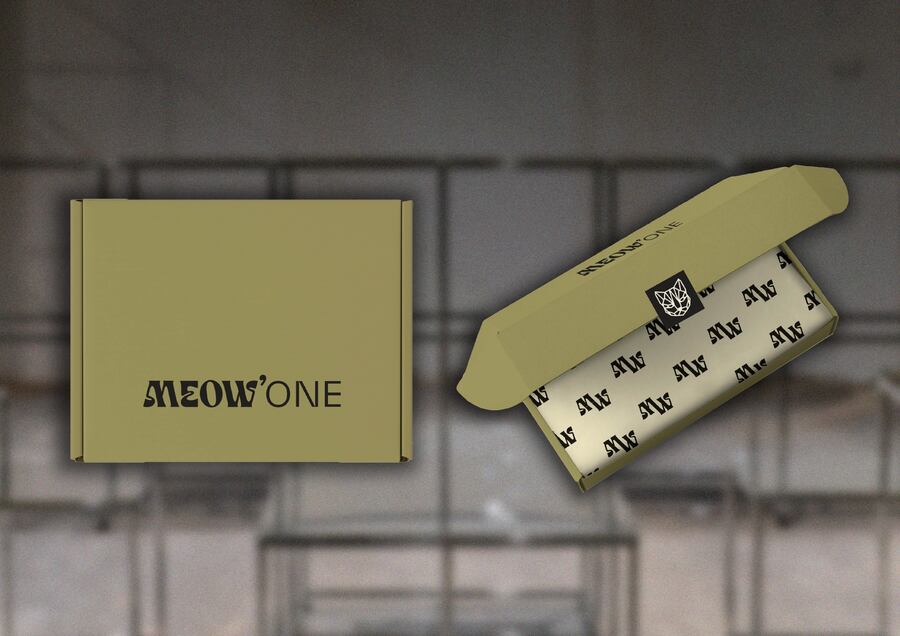
The outcome of completing the course will be the development of a complete brand identity, which will include: a logo, brand style guidelines, application materials, and a brand usage guide.
Who is this course for?
✦ Beginners with no prior design experience;
✦ Aspiring designers looking to master a profession and establish a foundation for future growth;
✦ Students in creative fields interested in developing visual communication skills;
✦ Specialists from related disciplines seeking to expand their competencies in working with graphics and visual content;
✦ Illustrators, photographers, marketers, and content creators who need a deeper understanding of composition principles, typography, and visual storytelling;
✦ Anyone who wants to learn how to use graphic editors, develop visual thinking, and create their own design projects.
Course Duration: 18 weeks.
Learning Format: online.
Contact Hours:
96 academic hours.
Course Prerequisites.No specific training in graphic design is required. The following are necessary for study: — basic computer skills; — a computer or laptop suitable for graphic design software; — a stable internet connection for participating in online classes; — the software required for the course installed; — the readiness to complete practical assignments and work on projects independently between sessions. Prior knowledge of composition, color theory, or typography principles is not required; all core concepts will be systematically covered during the course.
What will students learn in this course?
- Developing logos and creating graphic imagery.2. Constructing typographic compositions and skillfully working with text.3. Developing brand identity and corporate style guidelines.4. Creating mockups and preparing packaging for print.5. Presenting projects and logically articulating design choices.6. Creating cost estimates and calculating service fees.7. Developing CRM systems as a freelancer.8. Curating a portfolio and writing a professional resume to start a design career.
What practical assignments will students complete in the course?
- Developing the logo and graphic elements for the chosen brand.2. Designing posters and book covers.3. Formulating the brand’s visual concept.4. Creating packaging mockups and preparing layouts for the print shop.5. Compiling the presentation and defending the design concept.6. Calculating the design project cost and creating a commercial proposal.7. Establishing a system of tasks, deadlines, and payments.8. Documenting design case studies, publishing work, and compiling a resume for job searching.
Thematic Lesson Plan
1. Fundamentals of Graphic Design and Logo Development — Introduction to the graphic designer profession. — Basics of composition, color theory, and visual perception. — History of graphic styles and developing visual acuity. — Principles of creating logos and graphic symbols. — Working in Adobe Photoshop and Adobe Illustrator. Practice: creating a logo and graphic elements for a selected brand.2. Typography and Text Work — Fundamentals of typography and font classification. — Principles of typographic composition and visual hierarchy. — Working with grids, text blocks, and font pairings. — Creating posters and book covers. — Basics of layout design and preparing layouts for print. Practice: developing a series of posters and a book cover.3. Brand Style and Identity — Fundamentals of visual identity and branding. — Researching the target audience and analyzing competitors. — Defining the brand’s values, character, and positioning. — Developing a visual concept, color palette, and typographic system. — Creating brand elements and applying the identity across various media. Practice: forming the brand’s visual concept and developing corporate style elements.4. Packaging Design and Print Preparation — Fundamentals of packaging design and the characteristics of various materials. — Developing the structure and die-lines for packaging. — Creating mockups and visualizing the finished product. — Technical requirements for print layouts. — File preparation and working with print shops. Practice: creating packaging mockups and preparing layouts for print.
5. Presenting and Defending Design Projects — Principles of structuring a design presentation. — Visual presentation of concepts and slide design. — Articulating design decisions and justifying the chosen concept. — Communicating with clients and managing feedback. Practice: preparing and defending your own design project presentation.6. Service Pricing and Client Management — Fundamentals of how a graphic designer works with clients. — Estimating workload and calculating the cost of design services. — Creating cost estimates and commercial proposals. — Defining the scope of work, timelines, and revision limits. Practice: calculating the cost of a design project and compiling a commercial proposal for a client.7. Freelance Operations and CRM Systems — Specifics of organizing a graphic designer’s freelance work. — Client acquisition. — Planning tasks, deadlines, and project phases. — Contracts, invoices, acts, and other regulations. Practice: creating a CRM system to manage clients, tasks, deadlines, and payments.8. Portfolio, Resume, and Career Launch — Creating a portfolio presentation. — Presenting and publishing work on Behance. — Drafting a professional resume and cover letter. — Preparing for interviews and engaging with potential clients. Practice: structuring design case studies, publishing work, and preparing a resume for job searching.
Project Example