Media Concept
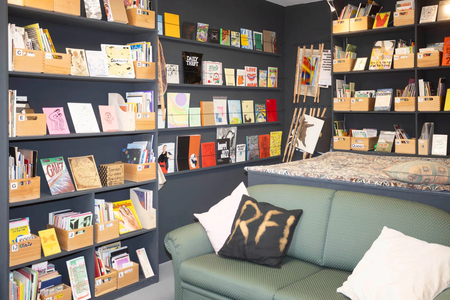
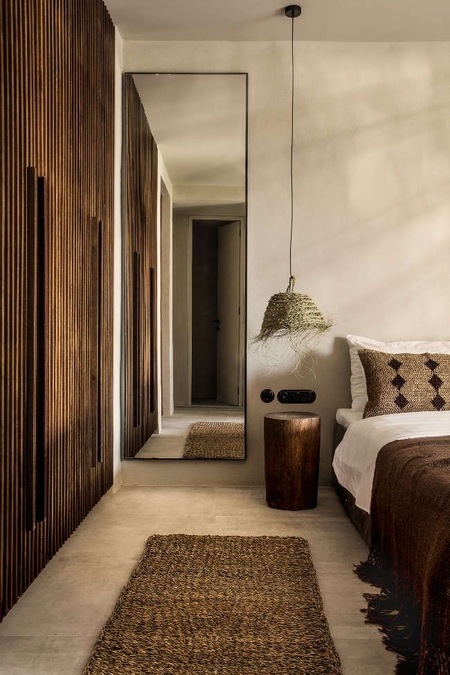
Title: «BETWEEN THE WALLS»Theme: the design of public spaces and the influence of interior environments on people.«BETWEEN THE WALLS» is a visual-analytical media platform dedicated to the design of cafes, restaurants, shops, hotels, exhibition spaces, and other public interiors.The main goal of the project is not simply to showcase beautiful interiors, but to explain how architecture and design affect the perception of space and human behavior.
Media explores: — spatial planning and organization; — lighting and its impact on atmosphere; — color schemes and material combinations; — furniture, decor, and interior details; — the connection between interior design and brand identity; — the psychology of public space perception.
Main publication formats: — analytical articles; — visual breakdowns of interiors; — collections of architectural projects; — cards explaining design techniques; — short videos; — interviews with architects and designers.
Target audience: students in architecture and design fields, practicing designers, architects, hospitality industry professionals, and individuals interested in contemporary visual culture.
2. Data Sources for Media
For preparing publications, visual, textual, expert, and analytical sources are used.Source utilization principle: Visual materials are used for analysis and illustration, while factual information is verified using primary sources—websites of architectural firms, author descriptions of projects, interviews, and specialized publications.
Sources and Available Data
ArchDaily — Architectural projects, photographs, floor plans, and object descriptionsDezeen — Design news, interiors, interviews, and contemporary trendsdesignboom — New projects, visual research, and design solutionsDivisare — Architectural projects, photographs, and drawingsOfficial Architecture Firm Websites — Authorial concepts, project descriptions, and portfoliosPinterest — Visual references and collections of materials and interior designs Interviews and Professional Publications — Expert opinions and explanations of design decisionsAcademic Articles and Books — Research on the psychology of space, color, light, and perception3. Data schema separation for human and machine processing
Media work is divided into two levels.
— Machine processing: data collection, sorting, systematization, primary classification, and preparation.
— Human processing: information verification, interpretation, editing, development of the author’s stance, and publishing decision-making.
1. Information Gathering
Architectural websites · studios · interviews · research · visual platforms
2. Machine Processing
— Automatic collection of links and materials
— Text and image recognition
— Thematic classification
— Database population
3. Human Processing
— Verifying information credibility
— Analyzing architectural solutions
— Selecting visual assets
— Original interpretation
— Text editing
4. Publication Preparation
Text · Images · Cards · Videos
5. Publication and Analytics
Posting · statistics · feedback · content plan adjustment
Database StructureEach piece of media that enters the system receives a separate record.
4. Guidelines for Automated Services in the Scheme
Automated services help reduce the time spent on searching, organizing, and preparing materials. However, they do not replace editorial review or authorial analysis.
General Automation Guidelines1. Accuracy. Automated services must not autonomously determine the veracity of facts. All critical information must be verified by a human.2. Attribution. Always credit architects, designers, photographers, and original sources.3. Copyright. Do not use photos or graphics without verifying the terms of use and obtaining permissions.4. Unified Style. All visual materials must conform to the media’s overall aesthetic.5. Editorial Oversight. No material is published without final human review.6. Data Preservation. Links, images, descriptions, and analytical notes must be stored in a unified database.7. AI Transparency. AI is used as a supportive tool, not as an independent author of expert conclusions.
The project’s final logic involves automated services gathering and organizing information, which a human then verifies, analyzes the architectural solutions, and crafts into original content. Because of this, «BETWEEN THE WALLS» remains not just a collection of beautiful interiors, but an independent analytical media outlet about the design of public spaces.