Данный проект является учебной работой студента Школы дизайна или исследовательской работой преподавателя Школы дизайна. Данный проект не является коммерческим и служит образовательным целям
big
Исходный размер 1660x948

Rubricator

1. Brand Background and Positioning 2. Communication Ecosystem 3. Theoretical Framework 4. Communication Analysis 5. Uses & Gratifications Analysis 6. Conclusion and Recommendations 7. Bibliography 8. Image Sources

Brand Background and Positioning
big
Исходный размер 1440x958

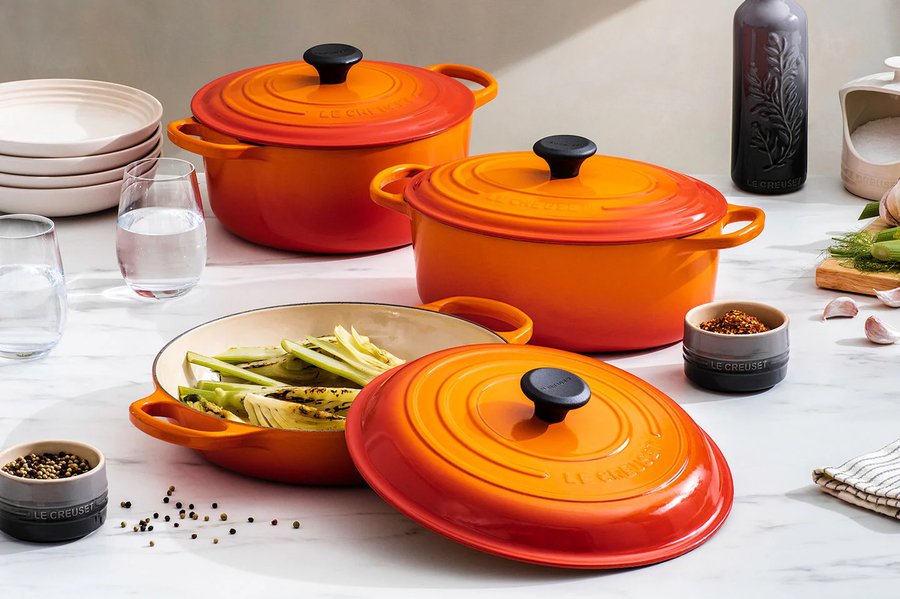
Le Creuset is a French premium cookware brand founded in 1925 in the town of Fresnoy-le-Grand in northern France. The company gained worldwide recognition for its enameled cast iron cookware, which combines functionality, durability, and distinctive aesthetic design. Over nearly a century, the brand has evolved from a specialized cookware manufacturer into an international symbol of quality home cooking and refined lifestyle. Today, Le Creuset products are sold in more than 60 countries and include a wide range of items such as cast iron cookware, ceramic products, kitchen accessories, and tableware.

Исходный размер 2964x1554

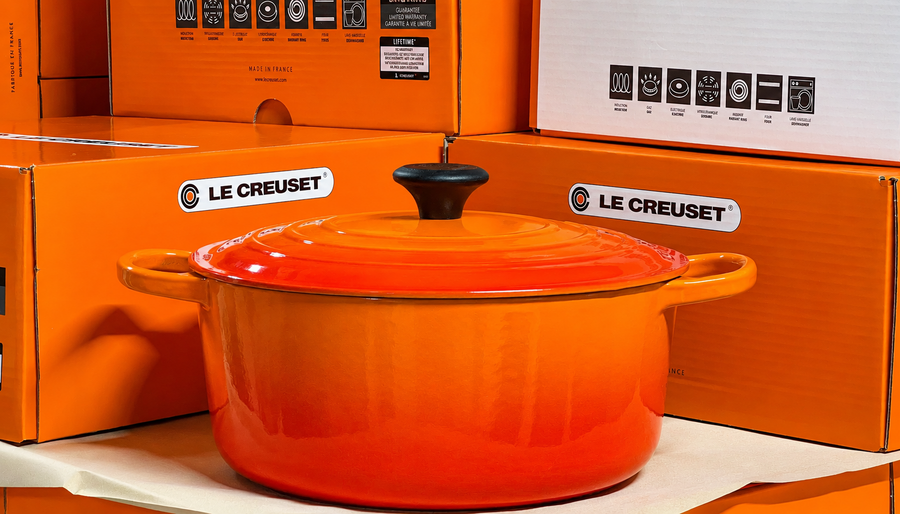
Le Creuset’s core positioning is built on a combination of craftsmanship, heritage, and emotional product value. Unlike many competitors, the brand sells not only cookware but also a particular lifestyle associated with comfort, family traditions, and the enjoyment of cooking. The company’s communications emphasize its French heritage, high quality standards, and product durability, often presenting its cookware as a «lifetime purchase.» At the same time, Le Creuset actively leverages the visual appeal of its products, highlighting vibrant colors, design aesthetics, and the ability of its cookware to become part of consumers’ home interiors and personal self-expression.

Исходный размер 3800x2708

Le Creuset’s target audience primarily consists of middle- and upper-income consumers who view cookware as a long-term investment rather than a purely utilitarian product. Key segments include passionate home cooks, interior design enthusiasts, young families, and consumers seeking to express their social status and aesthetic taste through brand choices. In recent years, the company has also actively attracted younger audiences through social media, influencer collaborations, and limited-edition product collections.

As a result, Le Creuset remains relevant both to traditional customers who value quality and brand heritage and to Millennials and Generation Z consumers who are strongly influenced by visual culture and digital communication.

Communication Ecosystem

Le Creuset’s communication ecosystem is built on a combination of digital platforms, owned media content, and public relations activities. The brand maintains a consistent visual and conceptual identity across all consumer touchpoints, creating the image of a premium yet emotionally approachable brand. The main emphasis is placed on visual storytelling that showcases not only the products themselves but also the lifestyle they represent. Through this approach, Le Creuset’s communications go beyond traditional advertising and help build long-term emotional relationships with consumers.
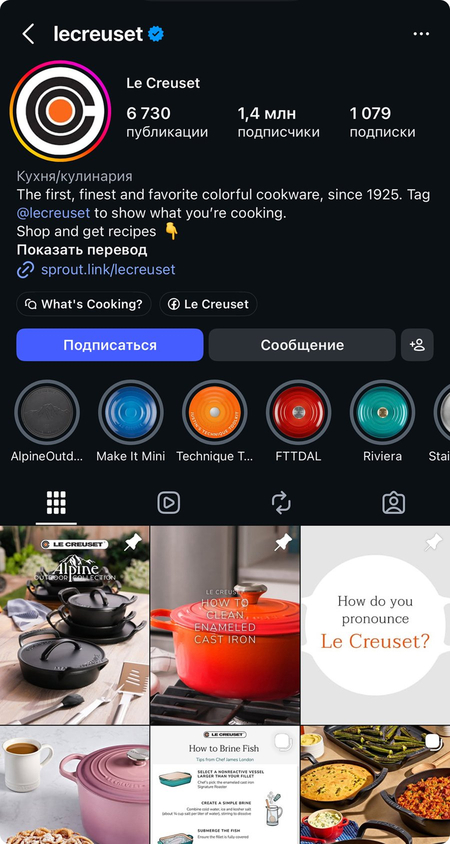
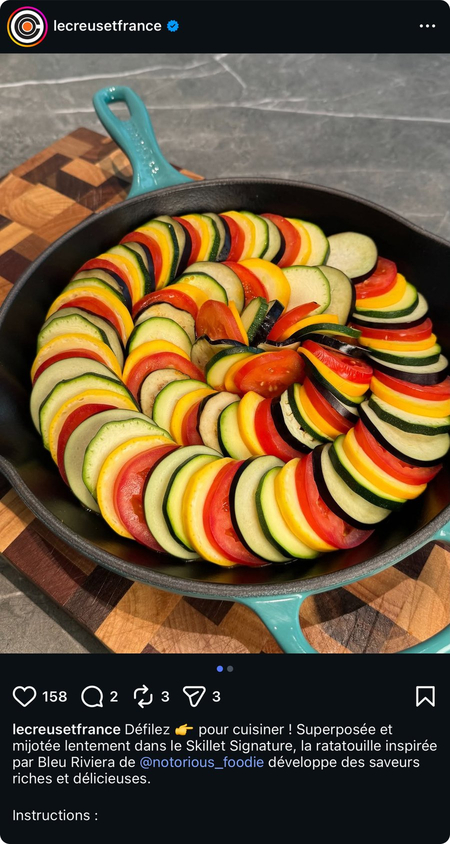
Social media represents a key component of the brand’s public presence. Le Creuset actively uses Instagram as its primary visual communication platform, publishing product photography, recipes, seasonal collections, and user-generated content. TikTok enables the brand to engage younger audiences through short-form videos, recipe demonstrations, and trend-based content.

Исходный размер 1950x1288

On Facebook, the company maintains relationships with existing customers, promotes new products, and encourages community discussions. YouTube is used for longer-form content, including tutorials, recipes, and collection presentations.
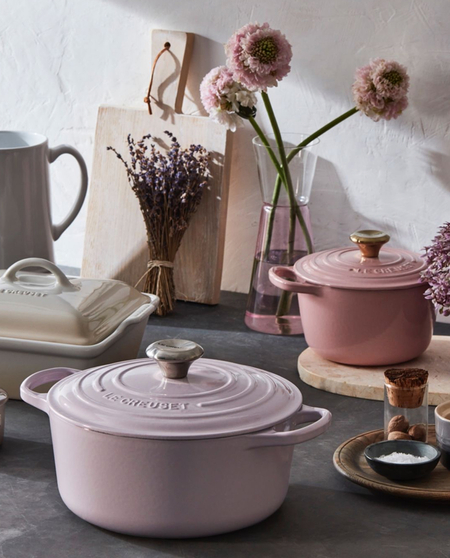
In addition, the brand maintains a presence on Pinterest, where users can discover inspiration for table settings, kitchen design, and cooking ideas. Together, these platforms function as an interconnected system that strengthens brand awareness and audience engagement.
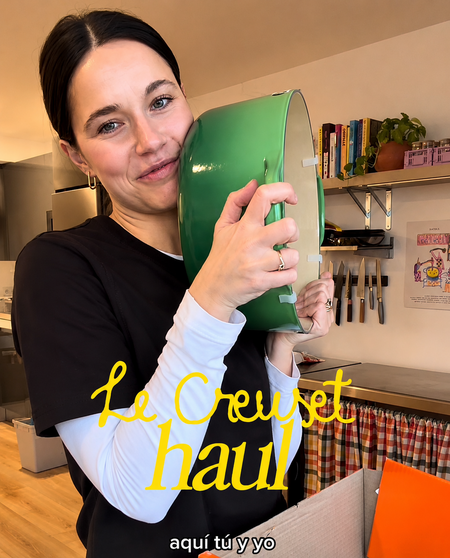
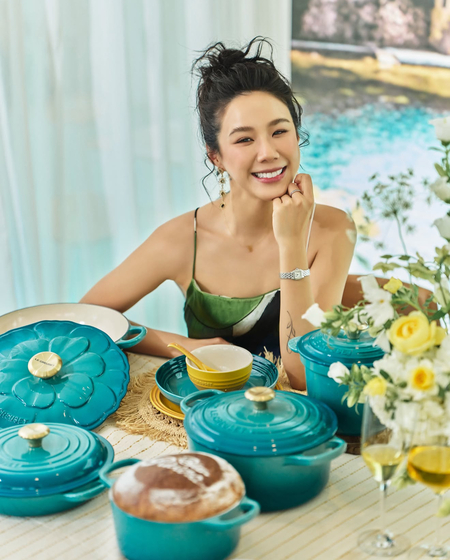
Public relations and influencer partnerships play an important role in Le Creuset’s communication strategy. The brand regularly collaborates with food bloggers, chefs, interior designers, and lifestyle influencers who integrate the products into their content and demonstrate their use in real-life settings. This strategy allows the company to leverage social proof and increase audience trust.

Исходный размер 1676x938

An additional PR tool is coverage in reputable media outlets focused on food, design, and lifestyle topics, including product reviews, interviews with brand representatives, and articles about new collections. Through the combination of media relations, influencer marketing, and organic user-generated content, Le Creuset maintains a high level of public visibility while reinforcing its premium brand image.

Theoretical Framework

This study analyzes Le Creuset’s communications through the Elaboration Likelihood Model (ELM) and Uses and Gratifications Theory (UGT).

ELM posits two persuasion routes: central (high involvement, logic-driven) vs peripheral (low involvement, cue-driven). In the Le Creuset context, the central route would involve consumers scrutinizing arguments about quality, heat distribution, warranty, etc. Peripheral route involves consumers responding to cues like visual appeal, celebrity endorsements, or social popularity. Both paths can lead to attitude change, but peripheral persuasion tends to produce less enduring change unless supplemented by later central justification.

Le Creuset’s marketing emphasizes peripheral cues (color, lifestyle imagery, «Instagram-friendly» brand identity) and uses central arguments (durability, tradition) more as reinforcement than primary drivers.

UGT considers why audiences consume media content. People actively select media to satisfy needs: Diversion (entertainment, relaxation), Personal Identity (self-expression, image), Social Interaction (connecting with others), and Information/Surveillance (news, tips). Le Creuset’s media content meets these needs. For instance, its posts and videos serve as escapism and enjoyment (beautiful recipe visuals), support identity (aspiring to be a sophisticated cook with tasteful kitchenware), and foster community (fans exchanging tips on social channels). There is also an informational side (tutorials, product care tips). By considering UGT, we can explain the user engagement metrics (likes, shares) and community building in Le Creuset’s channels.

Communication Analysis

Le Creuset’s messaging contains both strong product arguments and attractive peripheral cues, but leans on the latter to initiate persuasion.

Peripheral cues

КАРТИНКИ ДИЗАЙНА

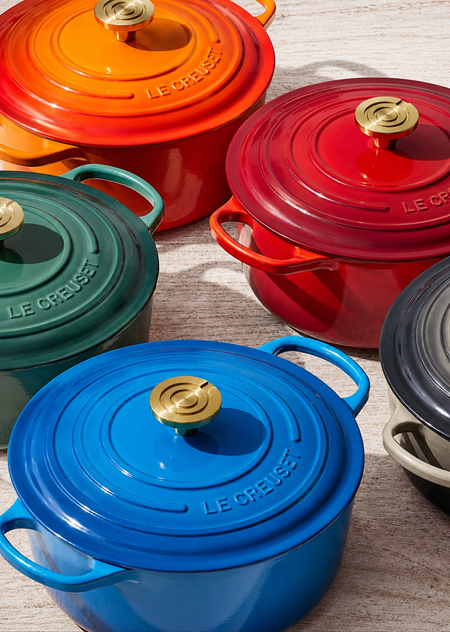
Looking at color and design, the cookware’s bold hues themselves act as «heuristic persuasion». A vibrant image of a pot triggers positive feelings of warmth and joy about home cooking.

КАРТИНКА СЕМЬИ ЗДЕСЬ

When it comes to lifestyle and emotion, photos and captions often depict communal, festive scenarios (family meals, brunch gatherings) or peaceful personal moments (morning coffee by a red kettle). These create liking and nostalgia cues: «love me, love my cookware.» The Independent article even notes that young buyers treat Le Creuset as «the adulthood aesthetic — the supreme sign that you’ve transitioned into being a grown-up». This kind of messaging is clearly peripheral: it doesn’t hinge on logical reasoning, but on emotional storytelling and social symbolism.

Regarding social proof and authority, showcasing the brand’s huge follower counts (over 2M on Instagram, TikTok trending tags) and celebrity fans serves as peripheral social proof. The Salton staff writer calls Le Creuset the «Instagram-friendly brand of bright colored pots,» implicitly suggesting that popularity itself is persuasive. Similarly, quoting Food & Wine or Inside Edition reviewers («Le Creuset is really as good as everyone says») leverages authority cues to reinforce trust without requiring detailed thought.

Central cues

Emphasizing craftsmanship and durability, Le Creuset often mentions that pieces are «made to last a lifetime», with quotes from executives about multi-stage quality checks.

«Pieces are handmade… multiple people inspect each one», — Mary Claire Lagroue. [1]

Regarding technical advantages, storytelling about how enameled cast iron heats evenly or eliminates the need to reheat food is factual content for the central route.

When it comes to guarantees and legacy, the lifelong warranty and 100-year history signal stability and risk reduction.

These are strong arguments, but Le Creuset typically introduces them after hooking the audience with visuals. For instance, a user scrolling Instagram might first feel, «This kitchen is beautiful, ” and then think, „Oh, and they say it’s handmade in France since 1925, so it must be good.“ ELM suggests this sequential persuasion is effective: initial peripheral attraction creates favorable attitude, then strong central arguments solidify it. In Le Creuset’s case, it consciously designs its comms so that „rational“ points confirm an already positive gut reaction, rather than serving as cold calls to decision-making.

КАРТИНКА ЗДЕСЬ

To illustrate the combined approach: consider the posts with Le Creuset cookware used in everyday scenes. They’re crafted to look effortless and cherished, implying quality by context. Below is another example of Le Creuset in a real-use scenario.

In ELM terms, such images prompt viewers to think «This looks like something I want» (peripheral), and then textual or narrative content (blog posts, labels on site) supply the deeper reasons (central).

Uses & Gratifications Analysis

Looking at the Le Creuset media through UGT, we see multiple user motivations being met:

Personal Identity. Many consumers use Le Creuset content to signal their self-image. Sharing a photo of a pastel pink cocotte or tagging the brand is a way to express tastes and status. The Independent article explicitly notes that for young people, Le Creuset is «the adulthood aesthetic» — owning it says «I am an adult who cooks and entertains». Thus, followers gratify their esteem needs and self-expression by aligning with the brand. The variety of color choices (over 200 colors today) caters to individuality, letting users pick the hue that matches their personality or current trend.

Social Connection. Le Creuset media fosters a community. Users engage in Facebook groups and Reddit threads to discuss color drops, bargain finds, and cooking tips — satisfying belongingness. Hashtags and fan events (like «FTT sales» or online mystery-box posts) encourage participants to feel part of an in-group. The article mentions fans helping each other «almost like a fan club» on Reddit and Facebook. This interaction is a classic UGT social gratification: fans share experiences and feel connected through their common love for the brand.

Diversion/Entertainment. The content is visually attractive and often soothing. Recipe videos (on YouTube and TikTok) and polished Instagram shots are engaging to watch, providing entertainment. Scrolling through bright, cozy cooking scenes offers relaxation and inspiration. A bowl of soup steaming in a cast-iron pot, for example, can be pleasurable to view even without immediate cooking intent. Thus, Le Creuset’s media satisfies the audience’s desire to be entertained and distracted from daily stress.

Information (Surveillance). While not the main focus, the brand does offer practical information. Its recipes and «how to care for enamel» tips address viewers seeking cooking knowledge or product guidance. This partly satisfies surveillance needs: consumers can stay updated on cooking trends («new 2026 color launch») or learn how to use their cookware optimally.

By analyzing why people interact with Le Creuset’s content, we see that entertainment and identity motives dominate. Users voluntarily engage (liking, commenting, sharing) because the content gratifies these personal and social needs. Their active involvement (as predicted by UGT) means they are not just passive recipients of ads; they choose Le Creuset posts because those posts help them relax, belong, and feel good about themselves.

Conclusion and Recommendations

The analysis demonstrates that Le Creuset’s communication strategy effectively supports the brand’s premium positioning and contributes to building a strong emotional connection with its audience. The company’s communications consistently combine visual aesthetics, brand heritage, and demonstrations of product quality, creating a coherent brand image associated with comfort, style, and culinary expertise. The analysis through the ELM indicates that Le Creuset primarily relies on the peripheral route of persuasion, using attractive visual imagery, emotional storytelling, and social proof. At the same time, rational arguments related to durability, craftsmanship, and product performance are used to reinforce the positive attitudes that have already been established through emotional appeal.

The application of Uses & Gratifications Analysis reveals that Le Creuset’s content successfully satisfies several audience needs simultaneously. The brand provides opportunities for self-expression through association with an aesthetically pleasing and high-quality lifestyle, facilitates social interaction within its community of followers, and offers entertainment through visually engaging content. In addition, recipes, product care tips, and educational materials serve an informational purpose. The high level of user engagement across social media platforms suggests that the brand not only communicates its marketing messages effectively but also cultivates an active community that further strengthens brand communications through user-generated content and word-of-mouth recommendations.

Исходный размер 1297x771

Despite the effectiveness of its current communication strategy, Le Creuset could strengthen its impact by making greater use of content that supports the central route of persuasion. More detailed communication about manufacturing processes, technological product advantages, and culinary expertise would increase the importance of rational arguments for consumers who make decisions based on product evaluation. Furthermore, the brand should continue expanding interactive communication formats and encouraging user-generated content, particularly on platforms popular among younger audiences. These improvements would help maintain the brand’s strong emotional appeal while simultaneously strengthening consumer trust and ensuring the long-term effectiveness of its communication strategy.

Мы используем файлы cookies для улучшения работы сайта и большего удобства его использования. Более подробную информац...
Показать больше