«Ostraneno» is a media platform for those who are actively creating.
Media focuses not merely on recounting these storylines, but on the methods and approaches to working with them—on how unconventionally and atypically writers wove the wandering motif into their narratives, and how unusually they approached its treatment. Media is designed to demonstrate how to approach text in a non-standard way, as well as to train novice authors in the techniques of effective and atypical storytelling.
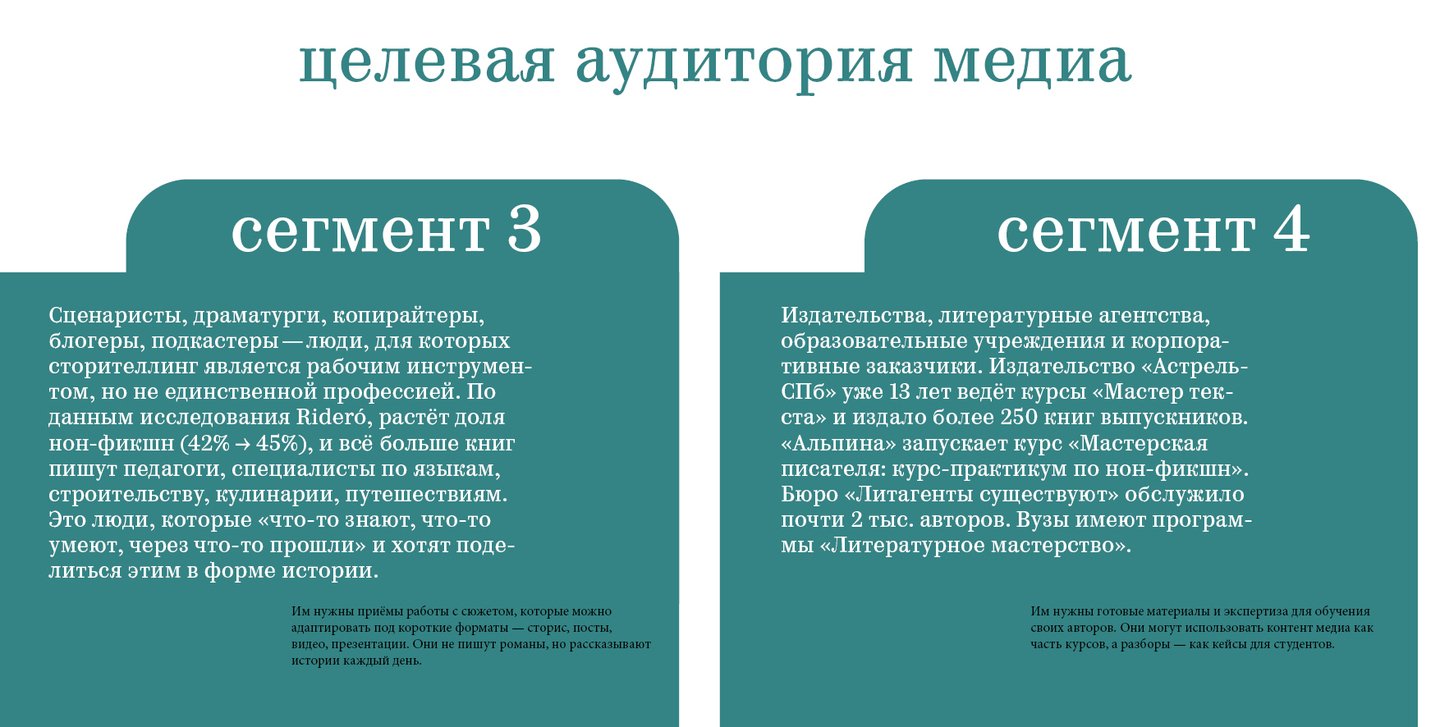
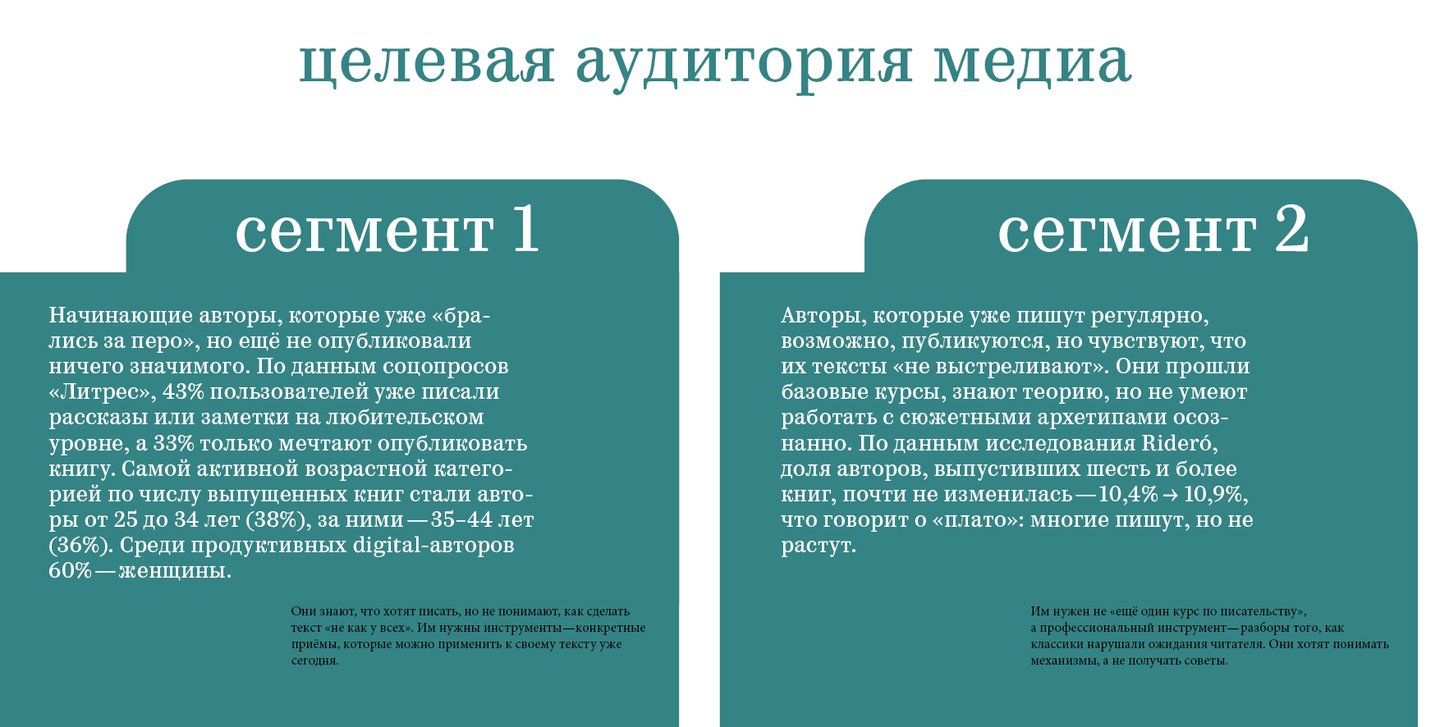
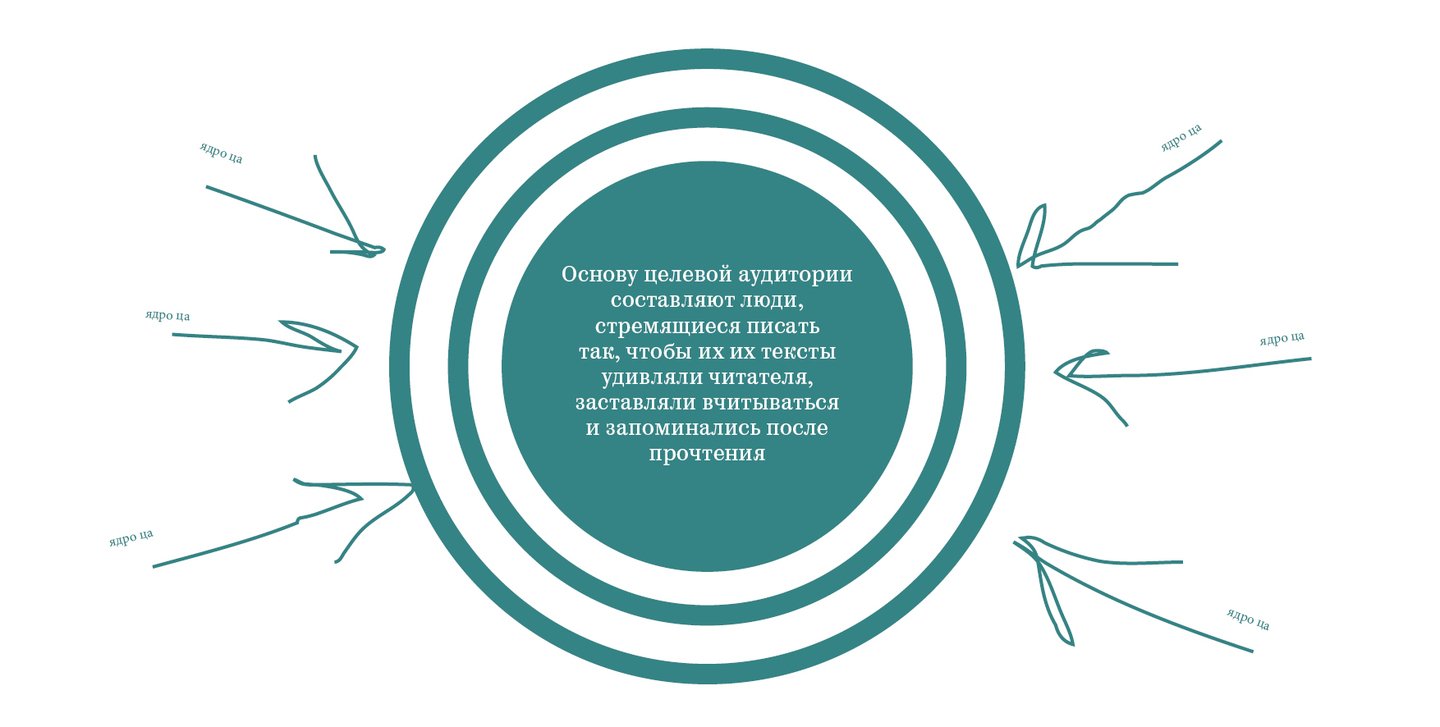
The Main Principle — is not to search for a plot that never existed, but to learn to see and tell familiar stories differently.
How the Material is Structured
Familiar scenario → text observation → explanation of the technique → exercise.In Dzen, in-depth analyses are published. On VKontakte, there are cards, questions, and short assignments. In VK Video, there are video essays and visual explanations. In reading labs and workshops, we test how understandable and applicable the suggested tools are. The narrative scheme is used as an analytical model, not as an absolute literary law. The editorial interpretation is separated from the verifiable information about the work.Special Contribution of Sources The literary text shows what was written. The commentary helps restore the context. The theory offers a method of analysis. These levels do not substitute for one another.
Special Contribution of Sources They demonstrate not only the final piece but also the process: how decisions are made, where difficulties arise, and what the reader observes.
A case study card with a permanent identifier is created for every future material. This card consolidates a literary excerpt, source information, an analytical hypothesis, and a practical assignment.









Automatic review does not replace literary expertise and does not grant the system the right to publish material independently.
At the entrance: approved registry of sources, links, accessible text files, and interview and workshop materials.
The system performs the following: acquires materials through authorized methods; saves the source address, acquisition date, and available publication information; creates a record identifier; separates the original copy from the version prepared for processing; flags potential duplicates and missing information.The output includes: a source card and the saved material with a status of «Received» or «Requires Clarification.»