MAKE GAMES GREAT AGAIN
Let’s Get Acquainted!
Our studio has been developing games for two years, while we have been studying game development for four years. Our team consists of Maria Smirnova and Sofia Andreeva, combining technical expertise and creative vision to develop games in Unreal Engine. We work across programming, 3D modeling, environment art, and game promotion, while also managing project roadmaps and business plans.Maria Smirnova serves as Art Lead and Game Designer, overseeing the visual direction and contributing to gameplay design. Sofia Andreeva serves as Tech Lead and Game Designer, leading technical development and contributing to the design of gameplay systems. Together, we combine art, technology, and game design to bring our projects from concept to realization.
Why Work With Pink Pony Studio?
We turn ideas into playable worlds, combining game design, programming, and art to create experiences worth exploring. From the first concept to the final build, we shape mechanics, craft environments, and plan production around what makes each game unique. We believe in clear ideas, purposeful design, and games that leave a lasting impression.
Cheers and fears
Team: 2 members
Development: 3 months
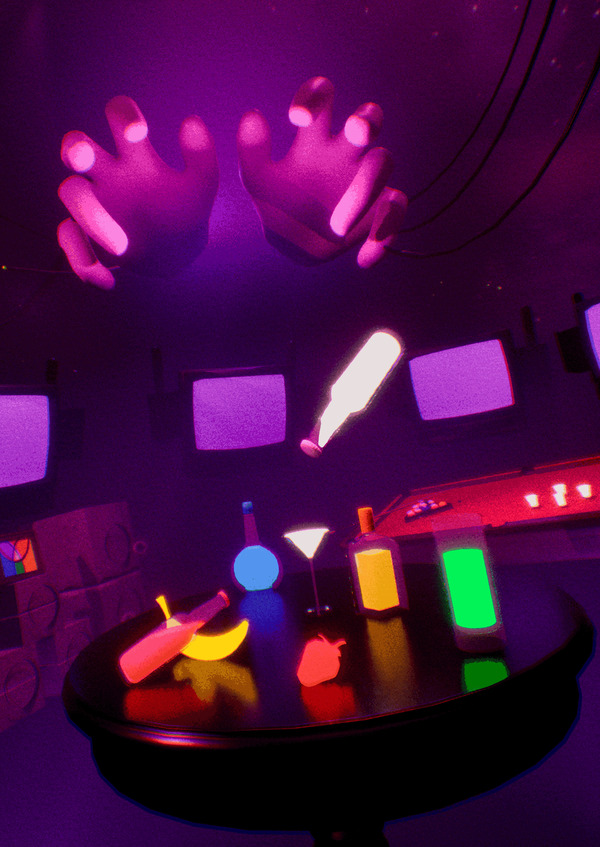
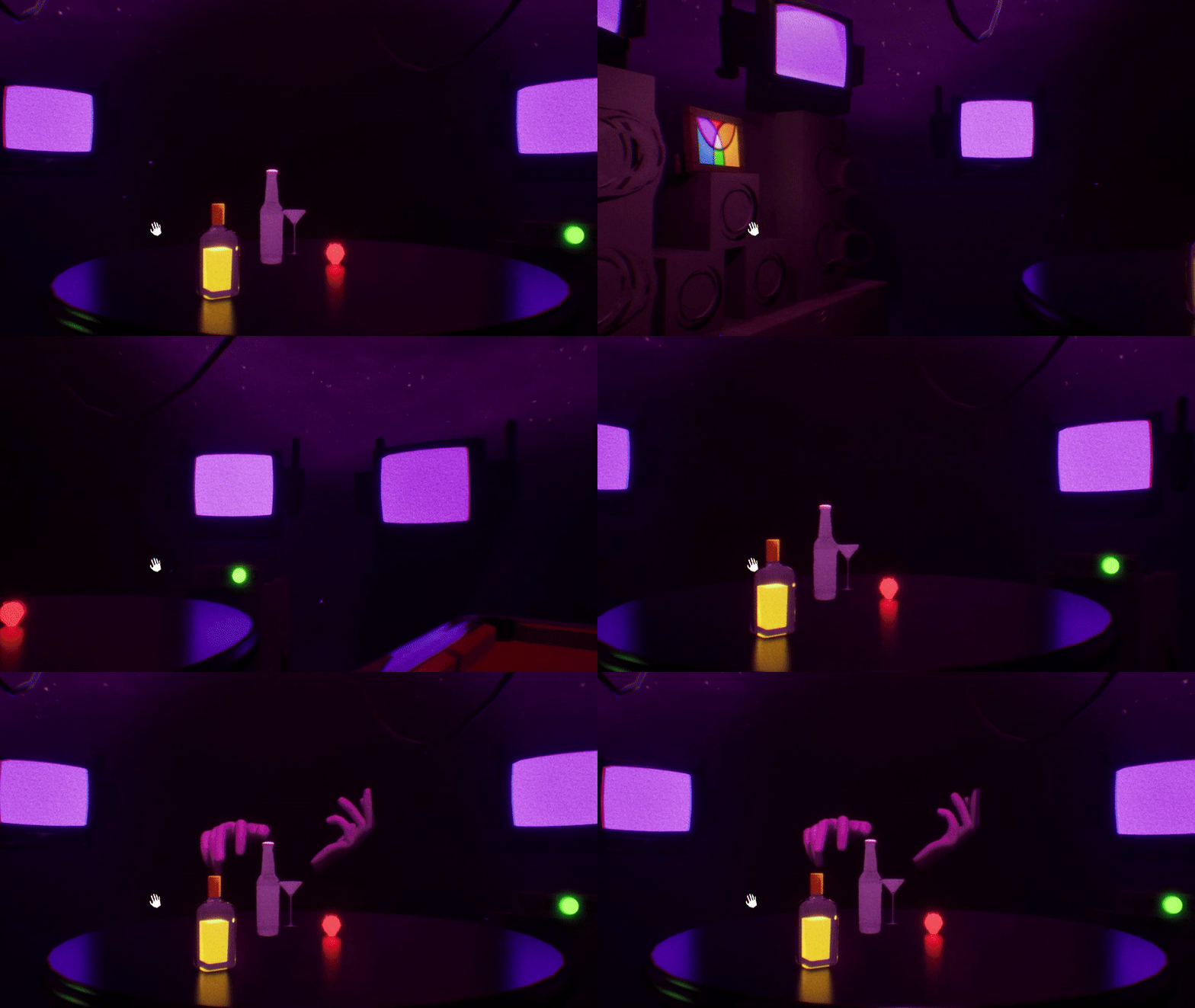
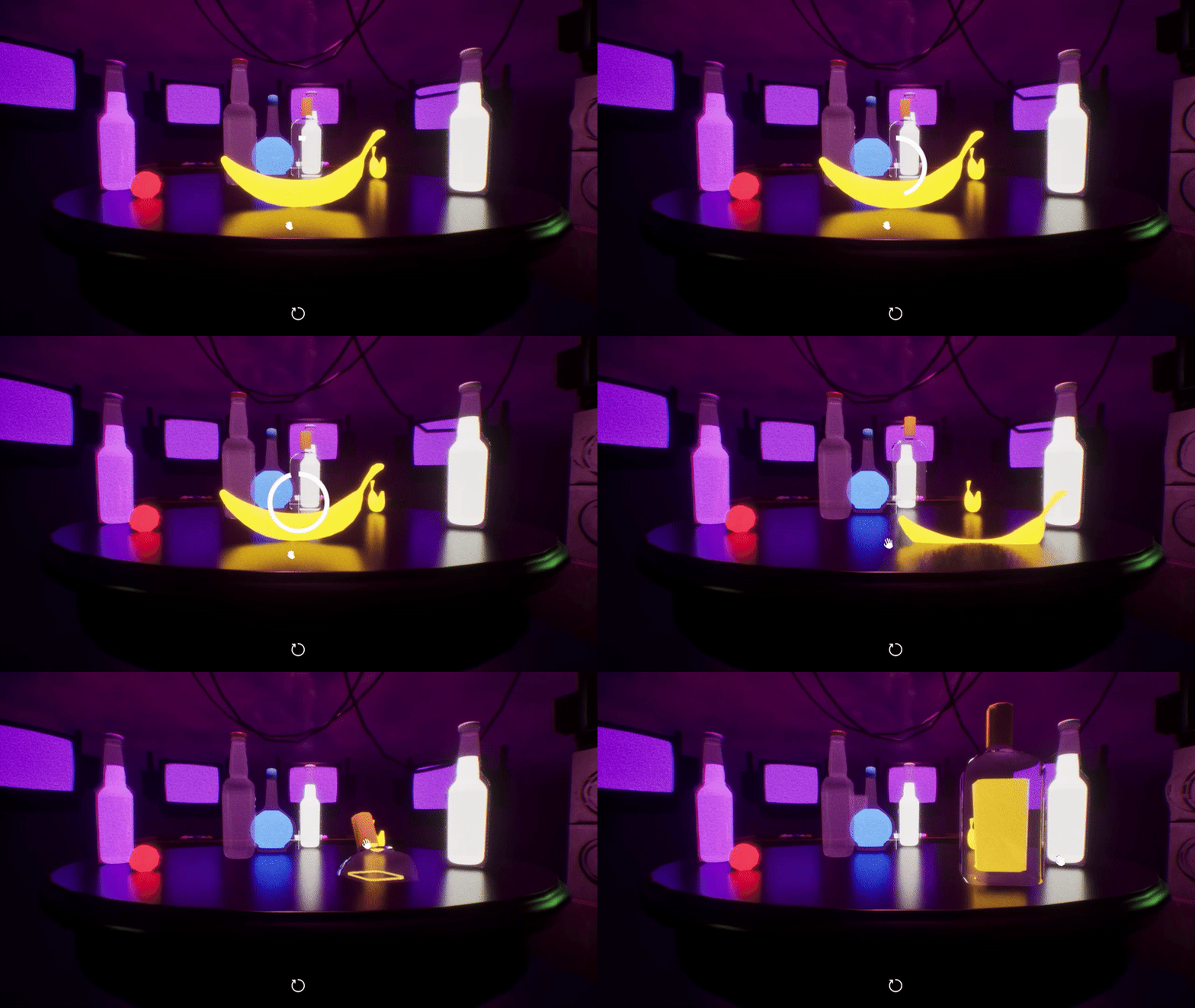
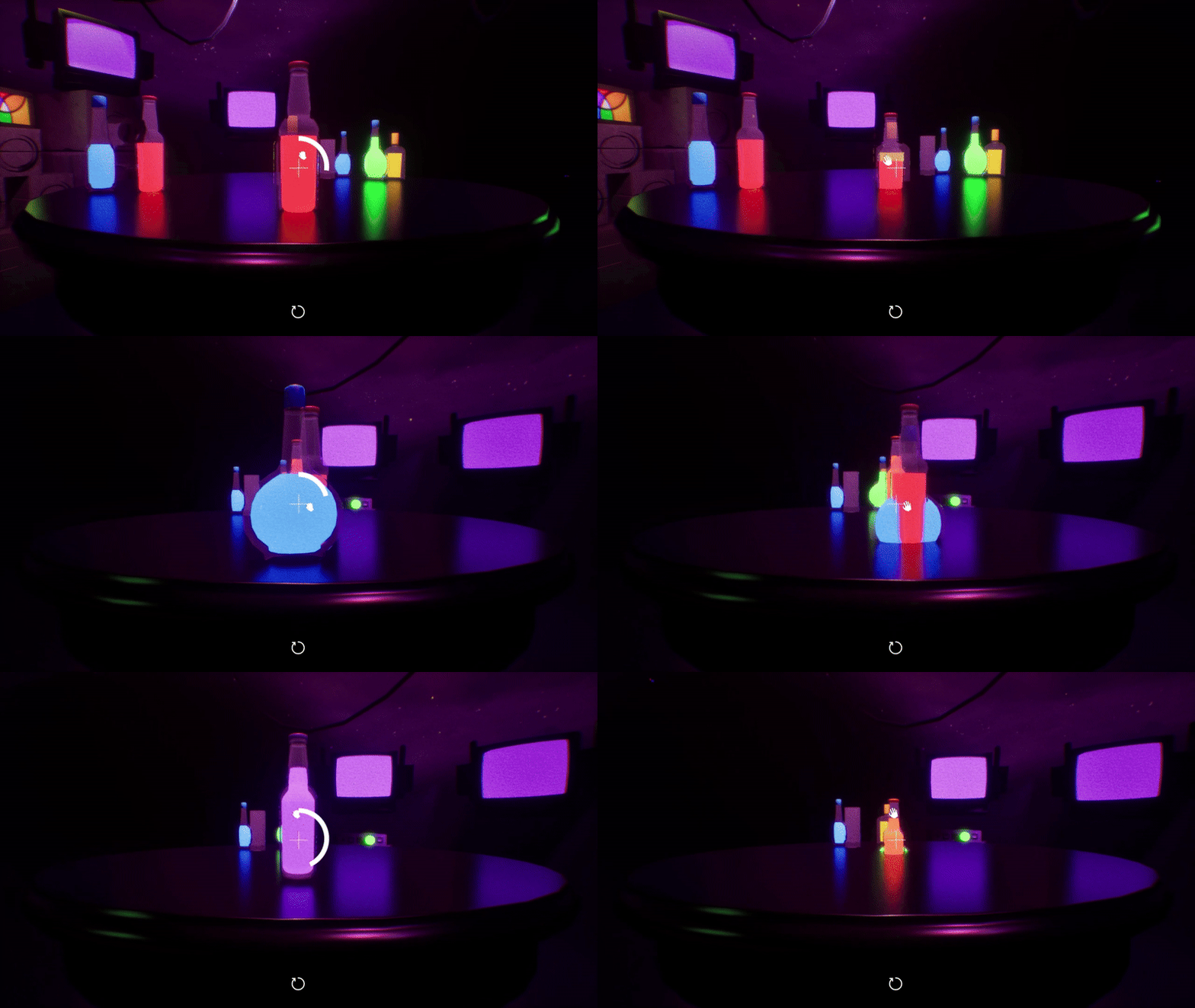
Engine: Unreal Engine 5Cheers and Fears is an atmospheric 3D puzzle game set in the nightclub neWrot. You play as an unfortunate bartender who must combine cocktail ingredients by moving around a circular table and viewing the puzzles from different angles. Every mistake comes at a price: another shot. How long can you stay conscious?
Sofia Andreeva — Technical Lead & Game Designer
My responsibility as Technical Lead was to maintain the core gameplay mechanics, implement cutscenes, and ensure the game behaved as intended throughout the experience. I focused on keeping the mechanics reliable, preserving the intended gameplay flow, and making sure the difficulty and progression supported the core concept.

KEY DECISIONS:
Cut the Excess, Keep the CoreI focused on identifying mechanics that added complexity without making the experience more engaging. Rather than overloading the game with multiple systems, I prioritized refining the central puzzle mechanic and ensuring it remained clear, satisfying, and consistent with the original concept. This allowed us to concentrate development time on making one core mechanic work well instead of introducing five underdeveloped ones.Pacing Matters More Than Quantity
I was responsible for maintaining the balance between level difficulty and progression, ensuring that each new challenge felt like a natural step forward. I focused on the quality and pacing of the levels rather than simply increasing their number, so players could gradually understand the mechanics and feel their skills improving. The goal was to make every level meaningful instead of filling the game with repetitive challenges.Puzzles for Everyone
Since the core gameplay relies on recognizing and combining colors, accessibility was an important consideration. I helped implement colorblindness options designed for players with different types of color vision deficiencies. This made the puzzle system more accessible without changing its fundamental design or compromising the intended experience.
Maria Smirnova — Art Lead & Game Designer
My responsibility as Art Lead was to establish and maintain the game’s visual direction, creating an atmosphere that balances nightclub energy, dark humor, and puzzle-solving. I worked to ensure that the environment, lighting, colors, and visual presentation reinforced the game’s identity and made the experience engaging beyond its mechanics.

KEY DECISIONS:
Atmosphere Speaks Louder Than WordsI wanted the nightclub to feel alive without relying on excessive dialogue or exposition. The visual direction, lighting, and energetic music playlist work together to communicate the mood of neWrot, allowing players to understand the setting through its atmosphere. This helped us create a recognizable identity where the environment itself becomes part of the storytelling.Players Love What They See
I treated visual appeal as an essential part of the player experience, not merely decoration. I focused on making the environment, cocktails, lighting, and color palette visually engaging while ensuring that the presentation remained readable during puzzle-solving. The result supports the game’s distinctive nightclub aesthetic and helps make its core mechanics inviting to explore.Mystery Makes a Character Memorable
I developed the concept of the nightclub’s mysterious boss, using his presence and characterization to create anticipation around his eventual appearance. His enigmatic personality and voice were designed to make him intriguing to players, including those drawn to character-driven experiences. Playtests indicated that players appreciated the voice acting and the character’s mystery, with some engagement extending into fan-created fiction.
Of Flesh
Team: 4 members
Development: 2.5 months
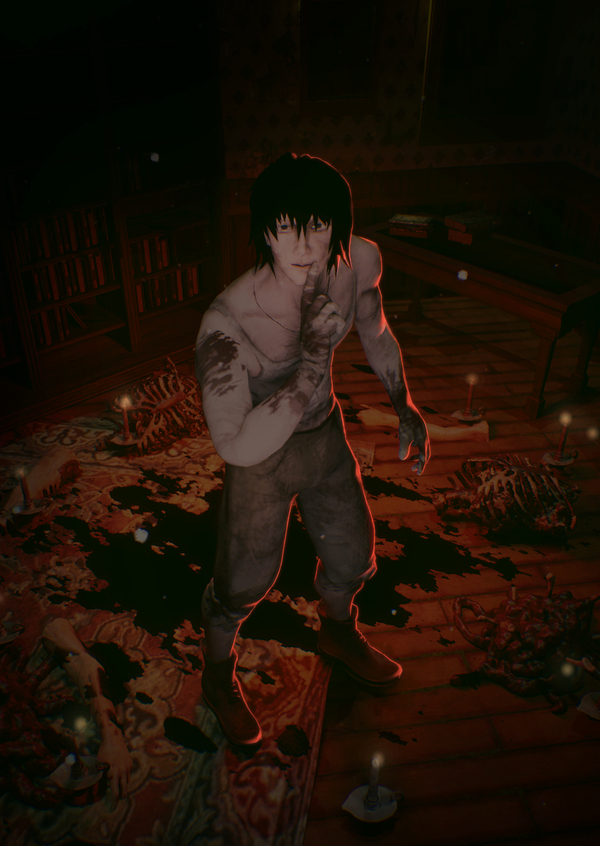
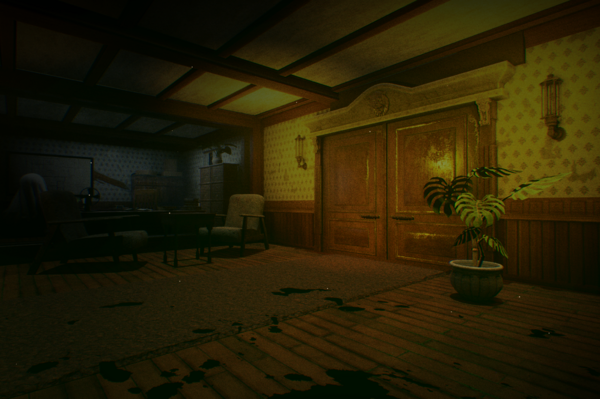
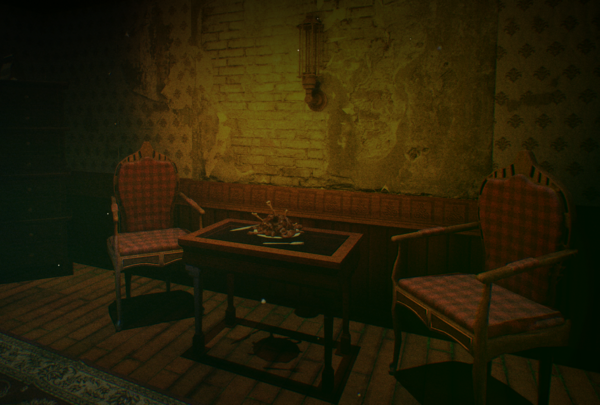
Engine: Unreal Engine 5Of Flesh is a first-person 3D survival horror with puzzle elements, built around fear, stealth, and the desperate search for freedom. You wake up in the house of a terrifying maniac and discover another victim: a girl who follows your every command. Together, you must solve puzzles, evade danger, uncover the secrets of the house, and find a way to escape before your captor makes sure you never leave.
Maria Smirnova — Team Lead & Game Designer
As Team Lead and Game Designer, I was responsible for task management, tracking progress, defining gameplay features, and keeping the team aligned with the project’s vision. I organized the workflow, monitored task completion, and helped the team make decisions that balanced our ambitions with the time and resources available.

KEY DECISIONS:
Everyone Has Their Own PaceI realized during the first days of development that every team member had a different working pace and approach to tasks. Instead of spending valuable time trying to make everyone work in the same way, I introduced a clear Kanban structure that made responsibilities, priorities, and progress visible to the whole team. This helped us coordinate our work more effectively and maintain a shared understanding of what needed to be done.Humor Keeps a Team Together
Shortly before an important project review, our build broke, leaving us unable to present the playable game as planned. I brought the team together, and we decided to approach the situation with humor rather than panic. This helped us reduce tension, regain focus, and return to problem-solving instead of letting the setback undermine the team’s morale.Testing Is More Important Than Speed
When the team became too focused on development speed, I recognized that we needed to slow down and leave enough time for quality assurance. I learned to treat testing as a dedicated part of the production schedule rather than something to squeeze in at the end. Since then, I consider at least two days for testing and bug fixing an essential buffer when planning a small game project.
Sofia Andreeva — Technical Lead & Game Designer
As Technical Lead and Game Designer, I was responsible for implementing reliable enemy behavior, developing the puzzle logic, and maintaining the technical integrity of the game’s systems. I worked closely with another programmer to coordinate implementation, keep the code manageable, and ensure that the core mechanics worked together as intended.

KEY DECISIONS:
Panic Is the Enemy of ProgressWhen the game broke just before an important review, repeated attempts to fix it were unsuccessful. I realized that continuing to make changes under pressure, especially late at night, could create more problems than it solved. I encouraged my fellow programmer to stop, step back, and approach the issue calmly, prioritizing rest over rushed overnight fixes. By reassessing the situation together with the team lead, we were able to move forward without letting panic dictate our decisions.Cutting Content Is Not a Failure
During development, I evaluated mechanics based on whether they meaningfully contributed to the experience. When a feature added unnecessary complexity, I suggested removing or simplifying it to reduce implementation work and avoid creating additional demands for the art team and fellow programmers. This helped us protect the core gameplay while keeping the project achievable within our limited development time.Make Room for Surprise
Although we initially planned to create a short game, I wanted the level design to give players enough space to explore and experiment with the mechanics. By carefully assessing our capabilities and managing the available time, I designed a level that brought the core mechanics together while allowing players to experience them in a more open and interconnected environment. This helped us create a more complete gameplay experience without expanding the scope beyond what our team could realistically deliver.
Voice of Fog
Team: 2 members
Development: 2 months
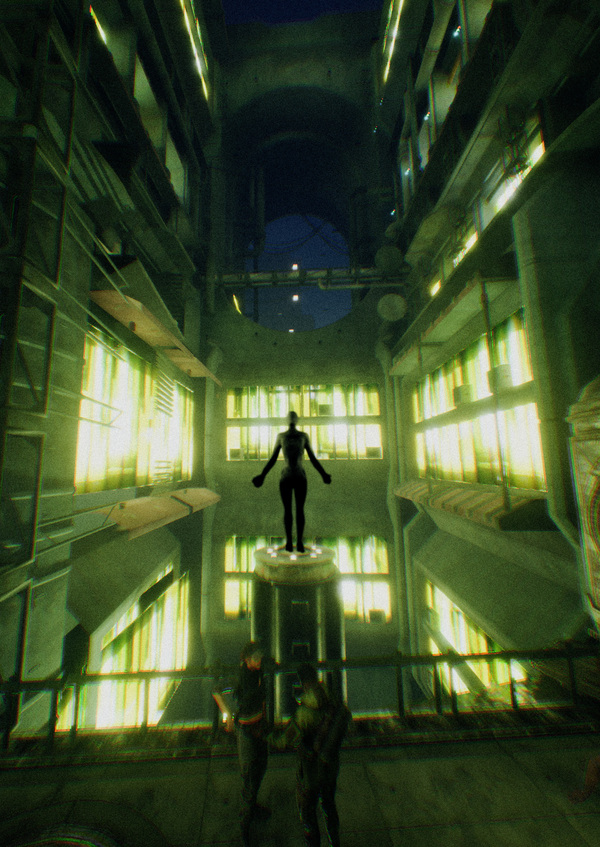
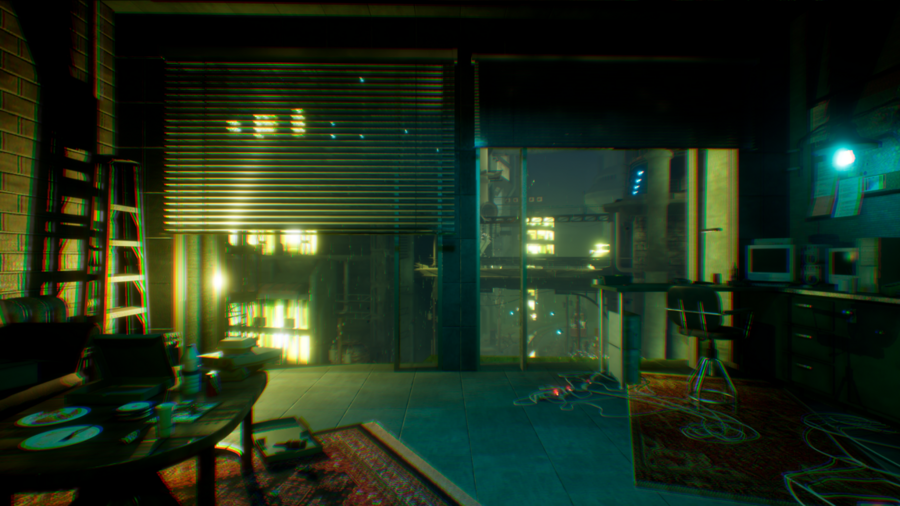
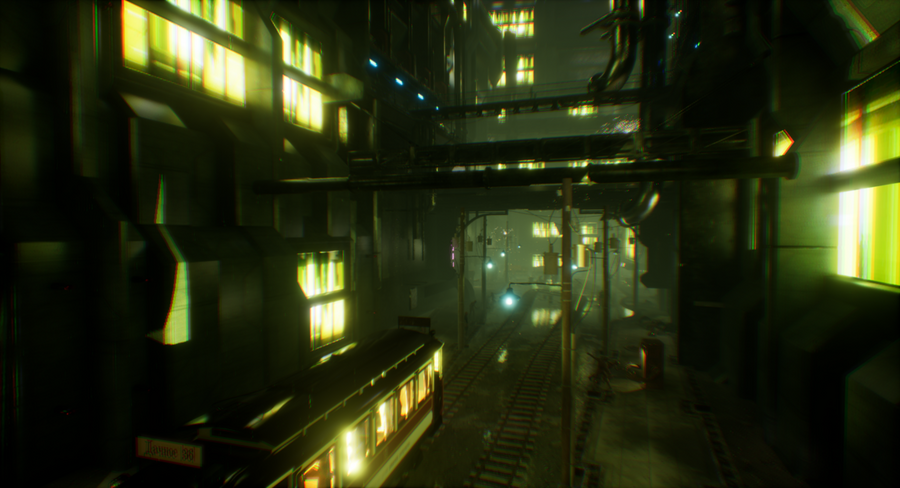
Engine: Unreal Engine 5Cinematic environment project set in Moscow in 2090, where the air slowly turns human bodies into metal and frozen figures haunt the streets. Through environmental storytelling, lighting, sound, and carefully composed scenes, the project presents a dystopian future in which humanity continues to hope for survival. The goal was to create a cinematic trailer that conveys the atmosphere and story of this world without relying on extensive exposition.STREETAPARTMENT
Sofia Andreeva — Level Artist & Trailer Artist
My responsibility was to create the outdoor street environment and contribute to the cinematic presentation of the project. I worked on lighting, environmental composition, animations, sound, and the overall atmosphere, ensuring that the location communicated the world’s central idea: a city where the air itself has become a threat.

KEY DECISIONS:
Synergy Creates a Cohesive WorldThe project featured two distinct environments: an outdoor street and an interior room. Their visual styles initially required alignment, so I collaborated with the other artist to establish a consistent artistic direction. Through discussion and iteration, we refined existing elements, removed details that felt out of place, and introduced new ones where necessary to make both locations feel like parts of the same world.The Environment Tells the Story
At one point, I realized that the street environment needed to communicate more of the world’s tragedy without relying on text or dialogue. I introduced sculptures of infected people frozen in different poses, depicting ordinary individuals who had succumbed to the contaminated air in everyday situations. These figures turned the environment into evidence of the disaster, allowing players to understand its human cost through visual storytelling alone.