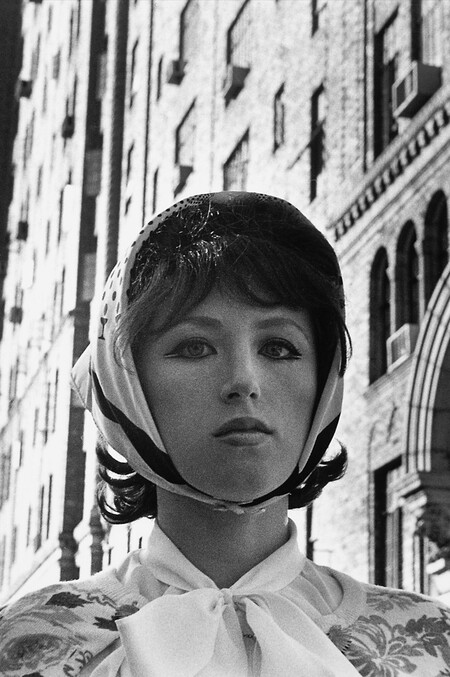
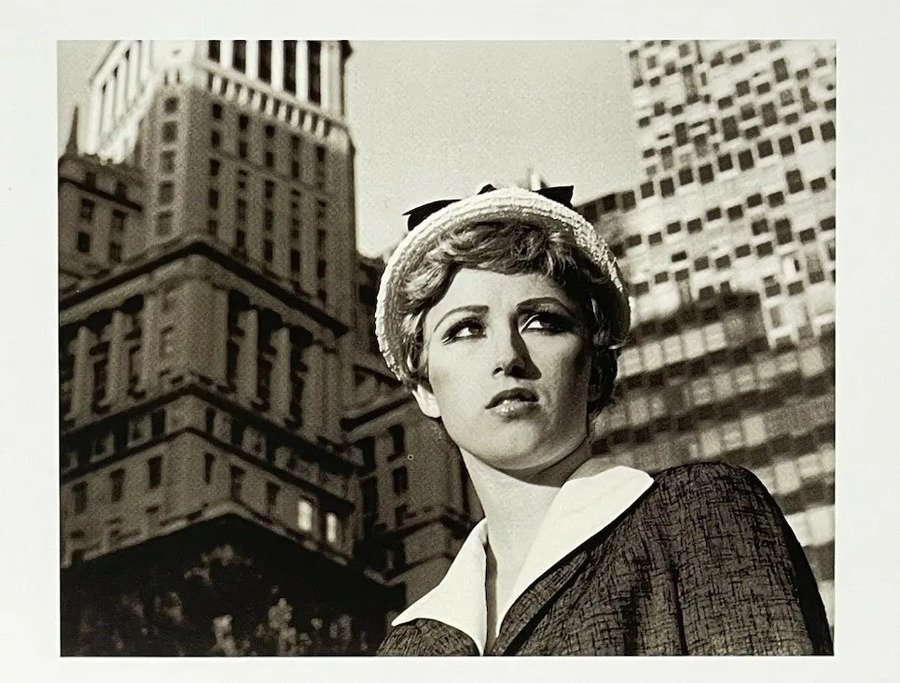
Cindy Sherman, Untitled Film Still #21, 1978
Definition and Contex
Postmodernism is a major late-20th-century movement in the visual arts characterized by a deliberate rejection of modernist dogmas, grand narratives, and the quest for absolute originality. Emerging in the late 1960s, it reacted against the elitism and purity of High Modernism. Postmodernism champions pluralism, irony, pastiche, and appropriation, successfully collapsing the boundaries between «high» art and «low» popular culture.
Key Influences
The formation of Postmodernism was heavily influenced by Dadaism (specifically Marcel Duchamp’s conceptual ready-mades, which questioned what constitutes art) and 1950s Pop Art (which embraced consumerism). Additionally, the post-WWII consumer boom, the rapid rise of mass media, television, and advertising created a new visual landscape that demanded new artistic responses.
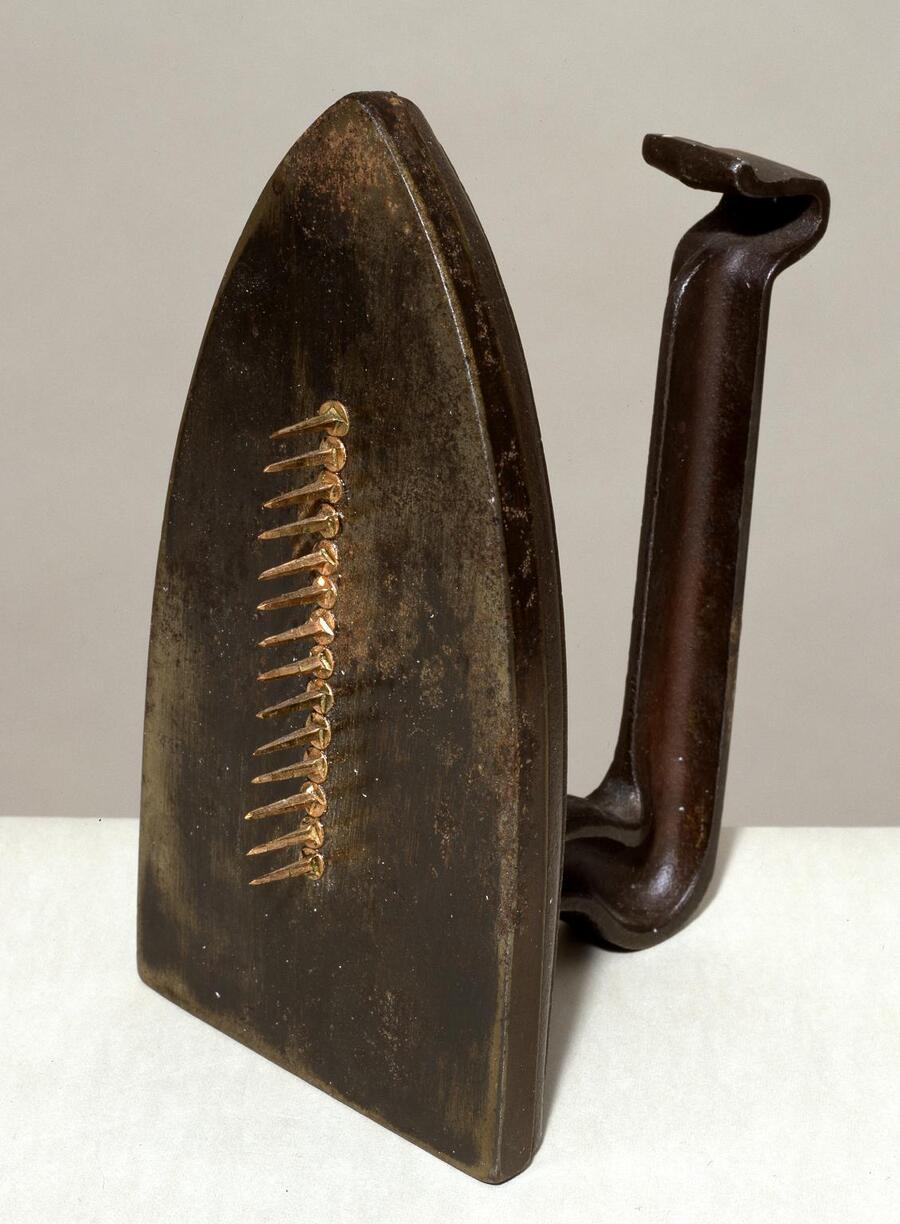
Marcel Duchamp, «Fountain», 1917
Theoretical Framework
The movement’s philosophical foundation lies in post-structuralism. French theorist Jean Baudrillard, in his seminal text Simulacra and Simulation (1981), argued that contemporary society has replaced reality with symbols and signs, creating a «hyperreality» where copies exist without originals (simulacra). Complementing this, Roland Barthes’ essay The Death of the Author (1967) shifted the focus of meaning from the creator’s intent to the viewer’s interpretation.
Key Practitioners and Artworks
Postmodern artists challenged the traditional cult of artistic genius through «appropriation"—the practice of borrowing pre-existing objects or images.
Sherrie Levine: A pioneer of the Pictures Generation who directly questioned authorship. Her photographic work After Walker Evans (1981)—a direct photograph of a reproduction of Evans' famous Depression-era portrait—exposes the illusion of unique creative ownership.
Sherrie Levine, After Walker Evans: 4, 1981
Cindy Sherman: An artist exploring the fluidity of identity. In her photographic series Untitled Film Stills (1977–1980), Sherman poses as various female archetypes from mid-century cinema, demonstrating how personal identity is a simulated construct shaped by mass media.
Cindy Sherman, Untitled Film Still #6, 1978
Jeff Koons: A sculptor who embraces kitsch and consumerism. His mirror-polished stainless steel sculpture Balloon Dog (1994–2000) elevates a cheap, transient party toy into a monumental, high-priced museum object, neutralizing the distinction between fine art and commercial merchandise.
Jeff Koons, Balloon Dog (Orange), 1994–2000
Legacy and Impact
By demystifying the «artist’s hand,» Postmodernism laid the groundwork for Digital Art, institutional critique, and modern internet meme culture, where appropriation and remixing are standard languages. Today, its legacy is being actively negotiated by Metamodernism, a contemporary shift attempting to bridge postmodern irony with modernist sincerity.
Baudrillard, J. Simulacra and Simulation / J. Baudrillard. — Ann Arbor: University of Michigan Press, 1994. — 164 p. (дата обращения: 07.06.2026)
Barthes, R. The Death of the Author / R. Barthes // Image—Music—Text / transl. by S. Heath. — New York: Hill and Wang, 1977. — P. 142–148. (дата обращения: 07.06.2026)
Duchamp, M. Fountain / M. Duchamp. — 1917. (дата обращения: 07.06.2026)
Evans, W. Allie Mae Burroughs, Wife of a Cotton Sharecropper, Hale County, Alabama / W. Evans. — 1936. (дата обращения: 07.06.2026)
Koons, J. Balloon Dog (Orange) / J. Koons. — 1994–2000. — Stainless steel with transparent color coating. (дата обращения: 07.06.2026)
Levine, S. After Walker Evans / S. Levine. — 1981. — Gelatin silver print. (дата обращения: 07.06.2026)