Media objective
We investigate how interior design solutions organize visitor behavior in commercial and public spaces.
1) We demonstrate the typical visitor journey.
2) We analyze the relationship between layout, visual accents, and user behavior.
3) We provide beginner specialists with tools for observation and analysis.
Topic and Niche
Interior Design for Commercial and Public Spaces.
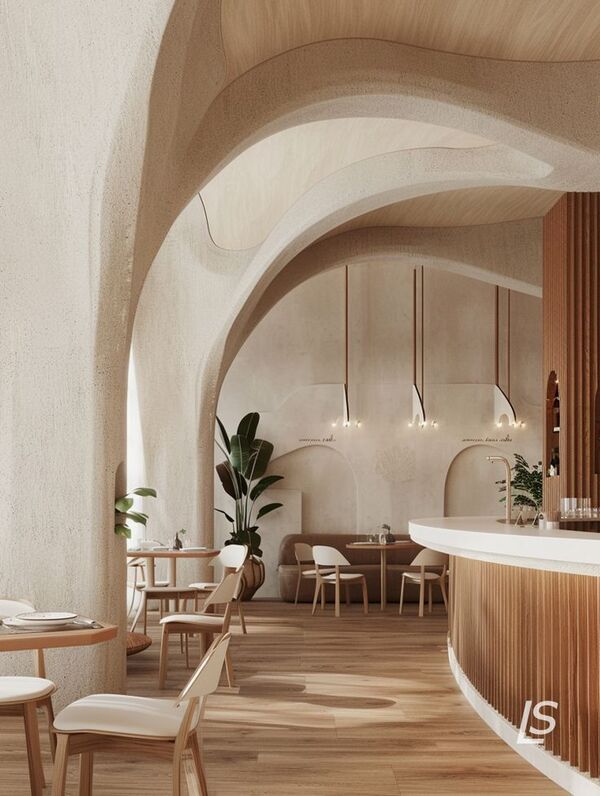
— Behavioral scenarios in cafes, stores, and showrooms. — Visitor journey: from entry and first impression to exit. — Practical analysis of layouts, merchandising, lighting, and visual cues.
Editorial Approach
1) We investigate a single visitor action in each publication. 2) We document what aids and what hinders navigation. 3) We connect visual observations with an analysis of design solutions. 4) We explain simply so that the insights influence future spaces.
Competitors and Niche
An overview of key media at the intersection of architecture, interiors, and urban culture—a focus highlighted by SREDA.
Archdaily/Dezeen -> Professional architecture and projects. The behavioral path is not always the focus of the materials.
The Village/Strelka Mag -> Urban agenda and places. The focus is broader than interior organization of behavior.
Design Mate / AD -> Design, interiors, and visual trends. Emphasis is placed on projects and aesthetics.
SREDA -> Editorial focus on the path, attention, and user scenario within a space.
Distribution channel
01- Telegram
In-depth analytical breakdowns of the regular «Visitor Behavior Scenarios» segment.
02 — Instagram
Short visual explanations using carousel posts with interactive diagrams through Stories and polls.
Target Audience
Нас объединяет интерес к тому, как устроены пространства и как они влияют на человека.
Beginning interior designers want to justify layout and zoning in academic projects. → When designing an interior, I want to understand how a person will move and orient themselves to substantiate my decisions.
Owners and managers of small spaces want to make the customer journey clearer and more comfortable. → When organizing a space for clients, I want to eliminate route inconveniences and make key zones prominent.
Visitors interested in design want to learn how space organizes their actions. → When I visit a new location, I want to understand why it is arranged in this particular way.
Unique Selling Proposition
Мы не просто показываем интерьер — мы объясняем, почему он работает
и как влияет на человека.
«Sreda» reads interior design like a script of actions: we show not only design elements, but also how they structure pathways, distribute attention, and either simplify or complicate choice.
Our focus is to observe real human behavior—to work with facts, not impressions—and to unify the language of design and behavioral scenarios, making conclusions clear and applicable.
01. Entry Point for Interaction — 02. Landmark for Orientation and Direction — 03. Path for Navigation and Zone Connection — 04. Stop for Pausing and Attention Shifting — 05. Choice for Available Options and Decision Influencers
The Media Principle
We show more than just interiors. We reveal their influence on people.
01. Entering the store -> 02. A noticeable landmark in the back of the hall -> 03. The visitor moves toward it -> 04. Along the way, they notice additional zones -> 05. They receive a clearer route
This is an example of an editorial question for research, not a universal rule of conduct.