Rubricator
1. Introduction 2. Communication Channels 3. Theoretical Framework: Elaboration Likelihood Model (ELM) 4. Peripheral Route 5. Conclusion & Recommendations 6. List of literature and sources of images
Introduction
Nike is among the most recognizable brands in the world, a status built on communication rather than the product itself. The logo and slogan are instantly recognizable without any text, and the company’s advertisements have long been a staple of pop culture. This makes Nike a perfect case study for how a brand transforms ordinary sneakers into a cultural symbol. This paper explores Nike’s communication strategy: first, by analyzing its foundations (positioning and target audience), then mapping out the channels through which the brand engages its audience, and finally, evaluating its effectiveness through the lens of communication theory.
Nike’s positioning centers around a simple idea: the brand doesn’t sell sneakers, it sells the feeling of personal achievement. Technically, the company operates in the premium segment of the sports industry, but essentially, it sells the belief that a person is capable of achieving more than they think. Both the «Just Do It» slogan and the Swoosh logo lean entirely into emotion rather than product specifications. For decades, Nike has collaborated with the Wieden+Kennedy advertising agency, yielding campaigns from «You Can’t Stop Us» to «So Win» that tell stories of overcoming adversity, where the product itself becomes a badge of belonging to sports culture. Premium pricing reinforces this narrative; flagship models consistently cross the $285 mark, consciously keeping the brand above the mass market.
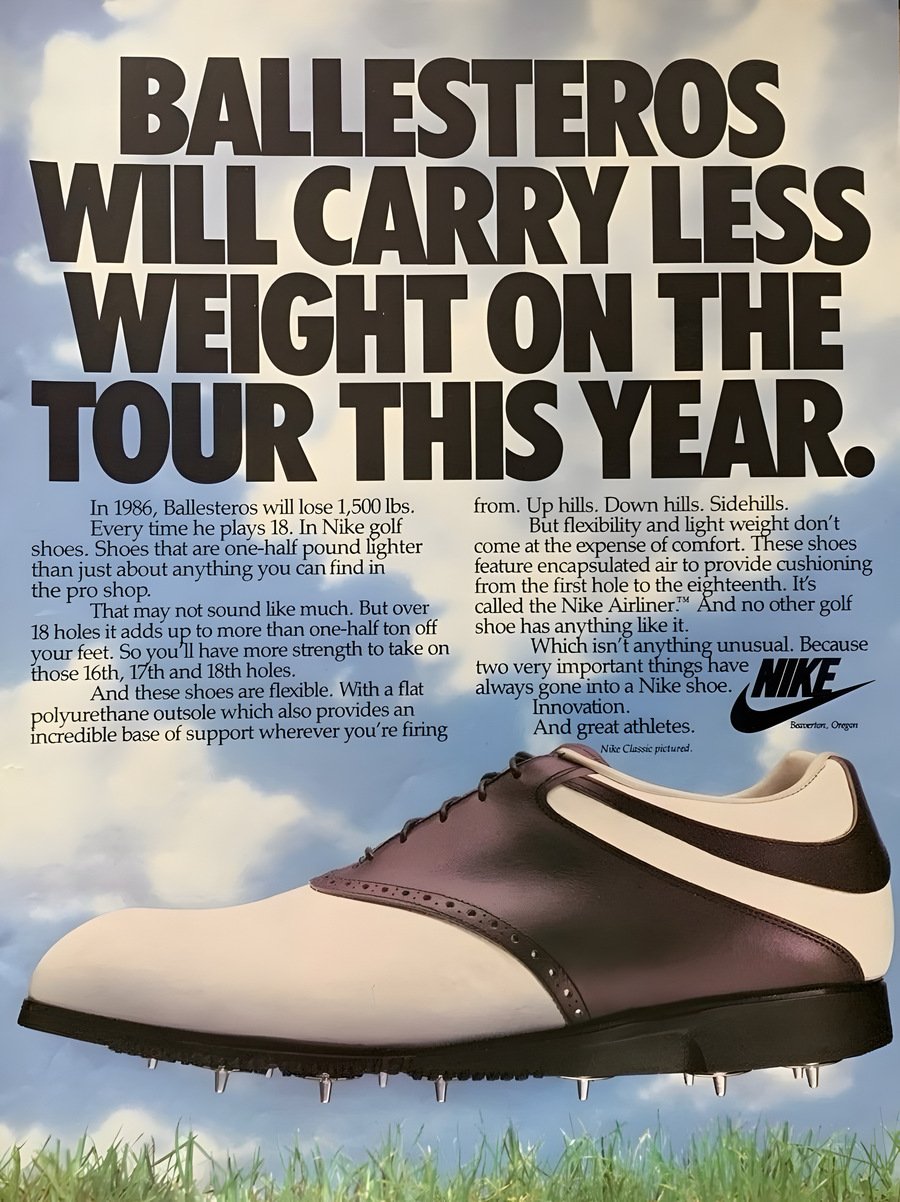
The core target audience spans men and women roughly between the ages of 15 and 45, primarily Gen Z and Millennials with middle-to-high disposable income living in major metropolitan areas across North America, Europe, and China. Nike treats this audience dynamically rather than as a monolith, segmenting them into distinct buckets: professional athletes, fitness enthusiasts, and lifestyle consumers for whom sportswear is primarily about style and identity. While male consumers historically drove the majority of revenue, the women’s segment is currently outgrowing the rest, pushing the company to deliberately increase its market share. Ultimately, a singular thread unites these groups: they buy Nike sneakers to make a statement, not just to have something to workout in.
Communication Channels
Nike maintains an extensive footprint in social media. Managing over three hundred distinct accounts across Instagram, TikTok, YouTube, Facebook, X, Pinterest, and LinkedIn, analysts estimate the brand captures over half of all digital mentions within its category, leaving competitors far behind. A single corporate profile isn’t enough, so Nike fragments its identity into specialized handles like Nike Women, Nike Basketball, and Nike Running, tailoring content specifically to each demographic. Instagram features striking aesthetic imagery, TikTok leverages energetic short-form loops for its seven-million-strong audience, YouTube serves as a hub for long-form documentary storytelling, and X handles rapid-fire news and real-time updates. This multi-pronged framework ensures both massive reach and surgical precision.
Nike’s PR architecture steers clear of direct product pitches, opting instead to weave itself into the fabric of major cultural and athletic milestones. During premier tournaments like the US Open or major golf opens, the brand publishes immediate post-match content and athlete interviews (e.g., Carlos Alcaraz), capitalizing on victory highs to generate engagement spikes. A defining element of their strategy is taking public, decisive stances on pressing social issues. Campaigns like «Equality» and the Emmy-winning «You Can’t Stop Us» prove Nike’s willingness to speak up, strengthening emotional resonance with consumers. Similarly, influencer relations avoid transactional one-off posts in favor of long-term alliances with elite athletes, macro-creators, and highly niche, hyper-local authors.
All of these disjointed channels are anchored by a cohesive, unmistakable brand voice that echoes seamlessly from big-budget commercials down to community comment sections. The ubiquitous execution of Just Do It, invitations to share personal journeys under tags like #JustDoIt and NikeRunning, and featuring unvarnished athletes and everyday people create an immersive, community-driven ecosystem. As a result, the audience returns not merely for technical motivation, but for a fundamental sense of shared belongingâ» a bond that tethers them to Nike far more securely than any discount code ever could.
Theoretical Framework: Elaboration Likelihood Model (ELM)
For this project, the Elaboration Likelihood Model (ELM) was chosen to analyse Nike’s communication strategy. This theory explains how people process сonvincing messages and how their attitude towards a brand can be influenced and changed. According to ELM, there are two main types or routs of persuasion: the Central Route and the Peripheral Route.
Central Route
The Central Route involves very careful, logic and thoughtful processing of receiving and creating conclusions based on the received information. People pay attention to facts, arguments and product details before making a decision of buying it or not. This route usually leads to stronger and longer-lasting attitude change what can create a layer of regular customers and brand connoisseurs.
Three conditions are needed for the Central Route to happen:
motivation — person wants to learn more about the topic because he is interested in brand or in product
ability — the person can understand the information properly and be able to buy the interesting thing
interest — the product is important for the person
For example, when choosing running shoes, a customer may compare different products, read about their features, and evaluate their performance. Ultimately, the customer is expected to choose the product that best meets with the described characteristics. Moreover, the more simply these characteristics are described and presented, the better way the information about them will reach the buyer.
The advertisement of Nike Alphafly 3 uses the Central Route because it focuses on product technology and performance. Nike provides information about Air Zoom units, ZoomX foam and the carbon plate. Consumers need to process these details and evaluate the benefits before making a purchase decision. This media approach shows the entire production process of these shoes, from the idea and sketch to the shoe in section. This creates a more informed and long-lasting attitude towards the product.
Peripheral Route
The Peripheral Route involves less thinking and analysis. Instead of focusing on facts, people are influenced by emotions, visual elements, and simple cues. This route usually creates a weaker and more temporary attitude change. However, it is still quite effective and often leads the buyer to buy specific things that he may want at the moment when he sees high-quality and memorable advertising.
Several peripheral cues can influence people:
- Consistency
- Social Proof
- Liking
- Authority
- Scarcity
- Contrast
These cues help brands attract attention and influence audiences without providing detailed information about the product.
This is also part of Nike Alphafly 3 advertisement. It is an example of the Peripheral Route because instead of focusing on product features, technology, or performance data, Nike here uses a well-known athlete to attract attention and influence consumers. The audience is more likely to associate the athlete’s success, talent, and achievements with the brand. As a result, people may develop positive attitudes towards Nike without carefully analysing the product itself. The athlete is viewed as an expert and a successful role model, while their popularity helps create an emotional connection with the audience.
Types of Elaboration
ELM also describes two types of elaboration. Biased elaboration happens when people already have an opinion and look for information that supports their existing beliefs, црут objective elaboration happens when people first examine facts and evidence before forming an opinion. Both types can be seen in consumer behaviour. Some customers already prefer Nike and focus on positive information, while others compare different brands before making a decision.
Why ELM is Suitable for Nike
The Elaboration Likelihood Model is useful for analysing Nike because the brand uses both routes of persuasion. Nike uses the Central Route by presenting information about product technologies, comfort, and quality. However, many of its campaigns rely also on the Peripheral Route. The brand often uses emotional storytelling, inspiring messages, and famous athletes. For these reasons ELM is an effective theory for understanding how Nike communicates with its audience and influences consumer attitudes.