Structure:
Reasoning — Communication Theory in Design
Presentation for a General Audience (B2C)
Presentation for a Professional Audience (B2B/Investors)
Detailed Explanation of the Theoretical Basis for the Presentations
List of Literature and Image Sources
Reasoning — Communication Theory in Design
The foundation of the Aeterna Artifacts brand is built on the understanding that design is a fundamental act of communication—a systemic process where individuals «interact with each other through symbols to create and interpret meanings». The jewelry itself is the primary medium, transcending mere aesthetics to function as a powerful, non-verbal system of signs. This approach is derived from the Semiotic Tradition, which defines communication as «sharing meaning through system of signs». In this context, a piece of Aeterna Artifacts jewelry is a complex signifier; the choice of a Roman laurel motif, for instance, is deliberately encoded by the designer (sender) to transmit the signified concepts of permanence, power, and classical elegance. For the communication to be successful, the consumer (receiver) must accurately decode this message within the «multiple contexts» of modern culture.
This understanding of the product as an intentional message immediately moves the brand into the realm of Impression Management. As outlined in the course, «all the world stage», and individuals are constantly performing. Our jewelry provides the essential «props» and «costumes» for this performance, enabling the consumer to enter a social setting and present «documentary evidence» to define «who and what he or she is». The act of wearing a unique, history-laden piece is a conscious form of Self-Disclosure, communicating the «concept of self» to others without words. This strategic self-presentation is supported by Politeness Theory, as the choice signals sophisticated taste, satisfying the individual’s «positive face» need—the need to be liked and appreciated. The brand’s messaging intentionally uses positive politeness to affirm the customer’s identity, thereby enhancing the perception of the social reward associated with the product.

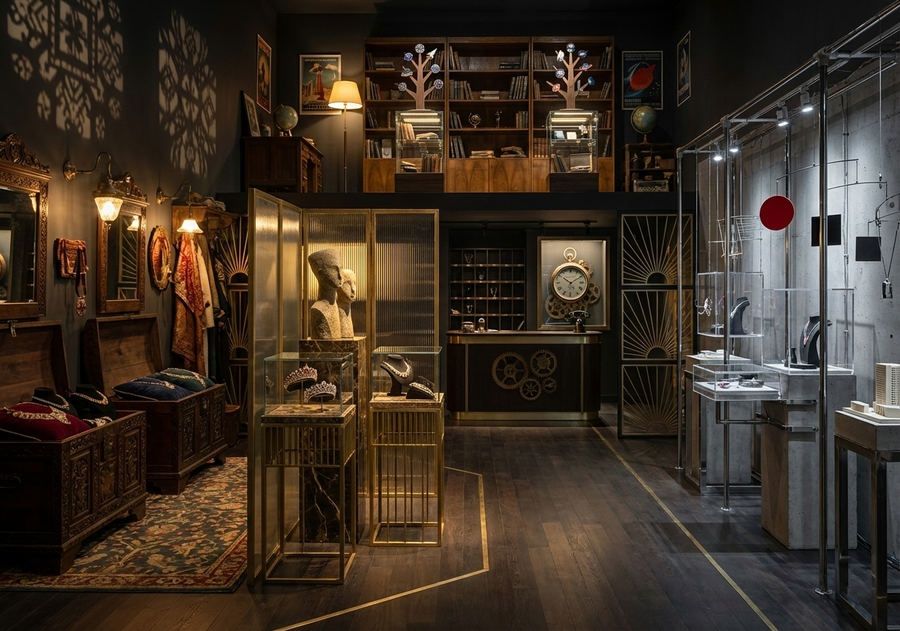
«Aeterna Artifacts» shop inside & outside
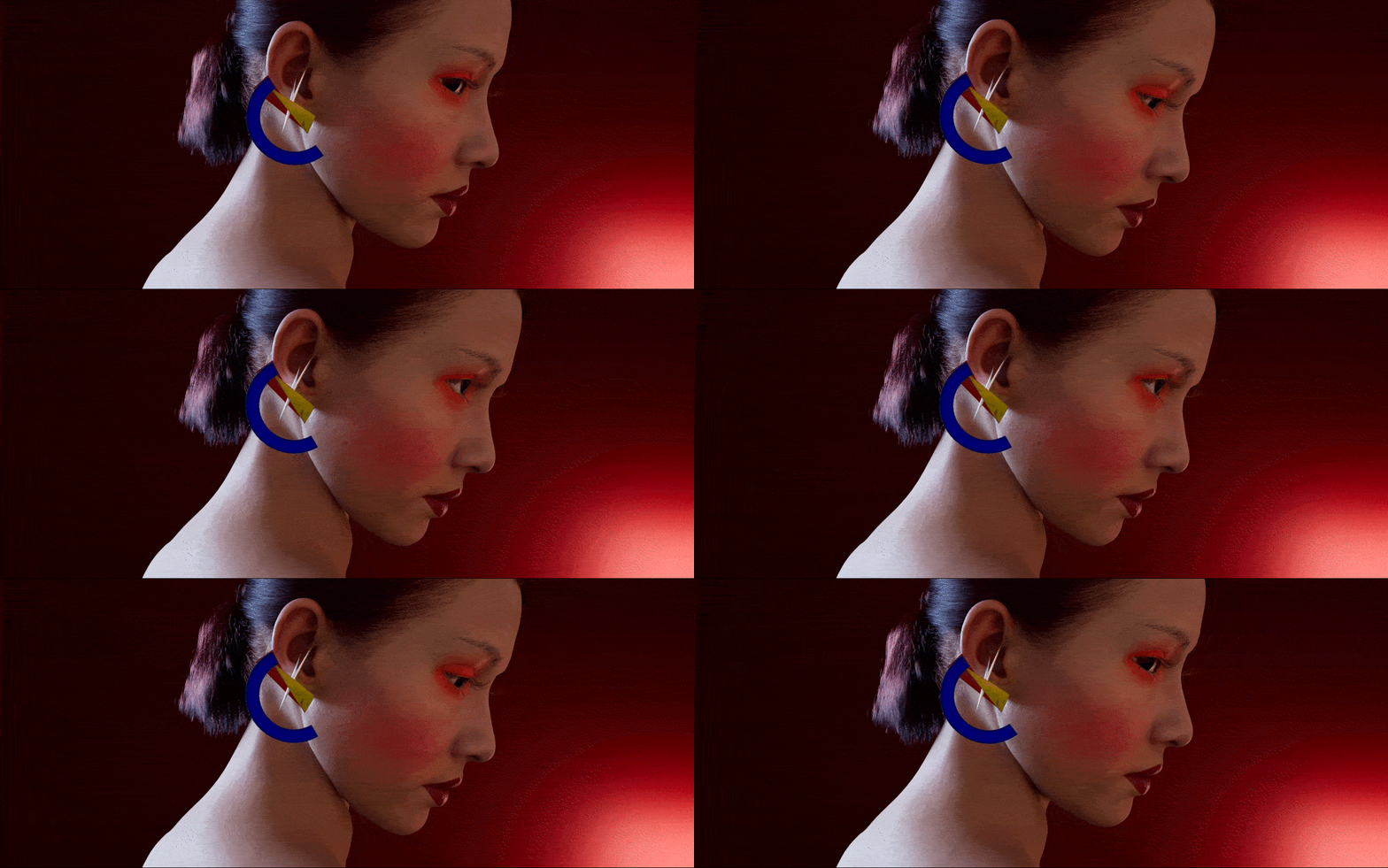
The marketing is not based on facts (the Rational World Paradigm) but on resonance, adhering to Walter Fisher’s Narrative Paradigm which argues that «people are storytelling animals». Therefore, our campaigns emphasize «Wear the Story,» treating the historical nature of the piece as a personal narrative. This story must achieve narrative coherence (the design must be aesthetically and historically consistent) and narrative fidelity (the message must align with the consumer’s values). In the digital sphere, this narrative is conveyed through Visual Rhetoric, using cinematic, mood-driven imagery to persuade and influence the audience by strategically arranging visual elements. This is crucial in media environments where «attention distribution» is highly competitive.
In terms of media and audience, the brand strategy accounts for the active audience assumed by Uses and Gratifications Theory. Consumers select Aeterna Artifacts to satisfy specific needs: reinforcing Personal Identity and facilitating Social Integration through the connection with a sophisticated community. Furthermore, the brand adapts to the Networked Society, where individuals operate within Networked Individualism. Our digital outreach leverages Social Media Affordances to maximize both Triggered Engagement (responding to real-time events) and Customized Engagement (personalizing style recommendations). Crucially, the brand’s Public Relations strategy embraces the Two-Way Symmetrical Model, ensuring that the brand listens to and negotiates meaning with the audience through a Dialogic Loop. This approach aims to build stable, ethical Communal Relationships, prioritizing the welfare of the customer over sheer manipulative gain. Finally, communication is strategically segmented using the Elaboration Likelihood Model: low-effort social media communication relies on the Peripheral Route (aesthetics and mood), while high-effort investor communications rely on the Central Route (data and strategy), ensuring the message matches the audience’s motivation and ability to process. Every facet of Aeterna Artifacts—from the clasp of a necklace to an investment pitch—is a deliberate, theory-driven communication act.
Presentation for a General Audience
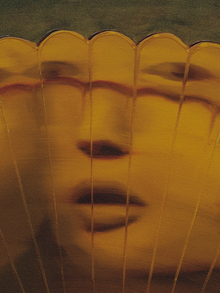
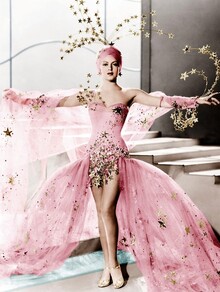
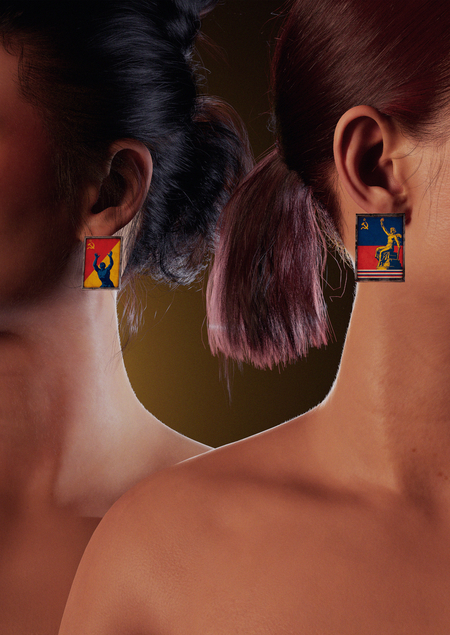
Aeterna Artifacts is a brand about reclaiming narrative and defining identity. In a world that feels disposable and driven by fleeting trends, we offer a sense of permanence—a tangible connection to the boldest moments of history. Our pieces are inspired by the specific aesthetics of Art Deco, Russian style, Modern art, and Soviet style, not just to decorate, but to empower you to express the depth of your own character.
We believe that jewelry is not merely an accessory, but a form of communication. Wearing Aeterna Artifacts is a way to signal who you are without speaking. The geometric weight of Art Deco, the intricate richness of Russian style, the abstract boldness of Modern art, and the industrial strength of Soviet style are designed to remind you of resilience, culture, and avant-garde thinking. We don’t promise to make you trendy. Instead, we offer authority, elegance, and a sense of narrative coherence.
The target audience of Aeterna Artifacts consists of the modern «curators» of their own lives. They are individuals who reject fast fashion and mass production in favor of meaning and storytelling.
Aeterna Artifacts sells an experience of «Time Travel» and self-discovery. Even in a modern city setting, the brand brings the grandeur and intensity of the past into the present. There is no shallowness, no plastic, and no empty hype. Everything is designed to feel substantial, cinematic, and deeply personal.
By staying consistent in its historical fidelity, Aeterna becomes a guardian of your personal aesthetic. It is not about selling you a product, but about handing you a legacy. Aeterna is a reminder that you are the author of your own story, and that your style is the ink.
Presentation for a Professional Audience
We present Aeterna Artifacts — a high-margin luxury ecosystem that combines historical curation, narrative identity, and deep consumer engagement. This is not just retail; it is a semiotic system designed for the modern networked individual.
The Product as Interface Each jewelry piece functions as a physical anchor for digital storytelling. By curating designs from Art Deco, Russian Style, Modern Art, and Soviet Style, the product serves as a «prop» for Impression Management, allowing the user to signal cultural capital and personal authority in both physical and digital spaces.
Colors (New Palette):
- Color 1:
#5F0F40(Deep Plum — Luxurious Shadow & Depth) - Color 2:
#9A031E(Crimson — Dramatic Accent & Intensity) - Color 3:
#FB8824(Bright Orange — Energy & Modern Pop) - Color 4:
#E36414(Rust — Warmth & Grounding Texture) - Color 5:
#0F4C5C(Teal — Contrast & Historical Elegance)
The logo is a key strategic asset communicating heritage, luxury, and authority.
- AA Monogram: Functions as a signature of authenticity and high-end craftsmanship, referencing Art Deco and Russian Style.
- Laurels Wreath: A universal symbol of victory and status, actively supporting the strategy of Impression Management (positioning the product as a legacy investment).
- Guiding Star: Signifies the «Aeterna» concept (permanence) and subtly integrates Modern Art geometry.
- Visual Trust: The strong contrast between the deep background and light foreground visually anchors the brand, conveying reliability and enduring quality essential for the luxury market.