Communication theory in the field of design
Communication theory in design reveals how visual solutions work as persuasive systems between creators and audiences. The rhetorical tradition positions design as visual argument: designers craft persuasive messages through composition, hierarchy, and style, moving through concept, organization, and presentation—much like classical rhetoric’s stages of invention, arrangement, and delivery. The cybernetic approach shifts focus to feedback systems, where user actions generate data that interfaces must recognize and respond to, transforming one-way transmission into dynamic dialogue. This perspective proves particularly vital for interactive platforms and social media, where technology and human behavior co-create meaning.
Design isn’t just information transfer—it’s visual rhetoric. Every choice shapes how users perceive, feel, and act
Sociocultural theory emphasizes that design actively constructs cultural practices rather than simply reflecting them, and effective design accounts for community norms and familiar symbols to build trust when cultural gaps emerge. Dialogic theory takes this further, framing design as authentic conversation between organizations and users: platforms offer engagement opportunities, but genuine dialogue requires listening and co-creating rather than broadcasting. Finally, the critical tradition examines how design operates within systems of power, never existing neutrally but either supporting or challenging existing orders—pushing designers to question whose interests they serve and how their work enables freedom versus manipulation.
Productive design shifts fluidly between these perspectives, using each as a lens for different situations
Rhetoric teaches persuasion, cybernetics reveals systems, sociocultural approaches highlight context, dialogic theory demands authenticity, and critical traditions expose power structures. These frameworks move designers from intuition to strategy, from arbitrary choices to grounded decisions. Communication in design becomes precise and humane when rooted in understanding how people actually perceive and use visual information within their social worlds.
Presentation of the brand for a general audience
Scrolling through endless marketplaces, juggling subscriptions, bookmarking effects you’ll never find again—every creative knows this chaos. Hours vanish searching instead of creating
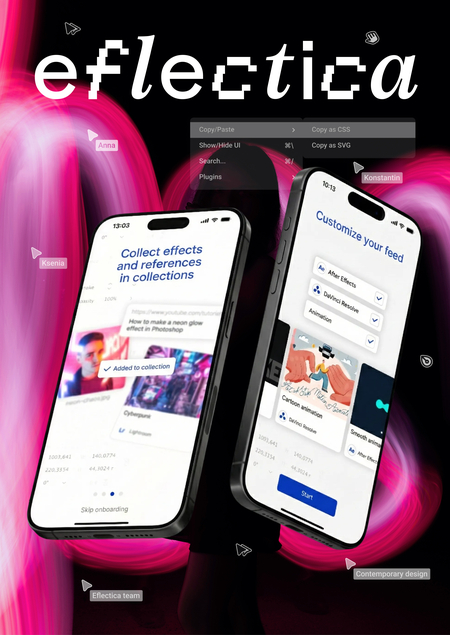
Eflectica is a media service that enables users to discover, exchange, and explore presets and effects for photo, video, and 3D graphics. It allows saving references, improving projects through industry feedback, and browsing curated collections.
Presentation of the brand
Outdoor advertising for the Eflectica web service
Eflectica helps you stay current and creatively empowered. The platform brings together search, exchange, and discussion of presets to enhance projects and spark inspiration. Users can customize their feed by categories and software preferences, ensuring they see only the most relevant content for their workflow.
Main page of the Eflectica web service
Eflectica brings inspiration out of the feed and into your space, turning everyday moments into creative triggers
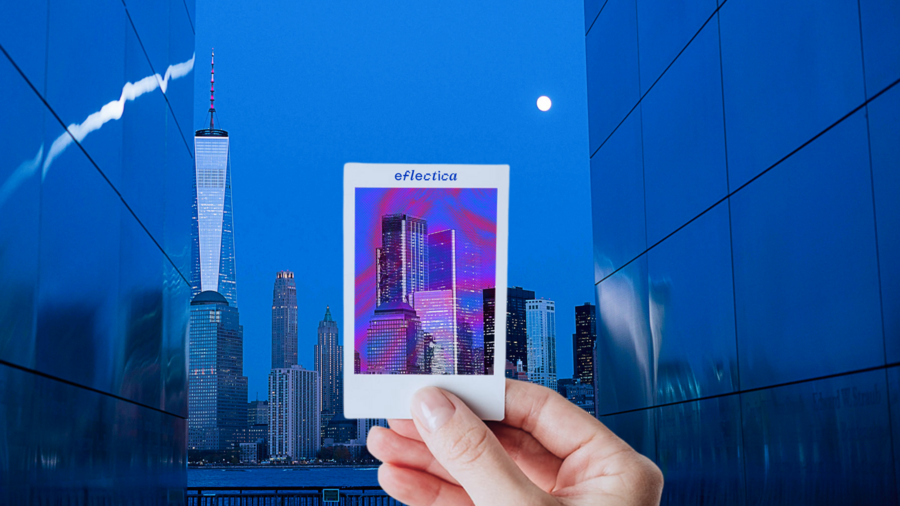
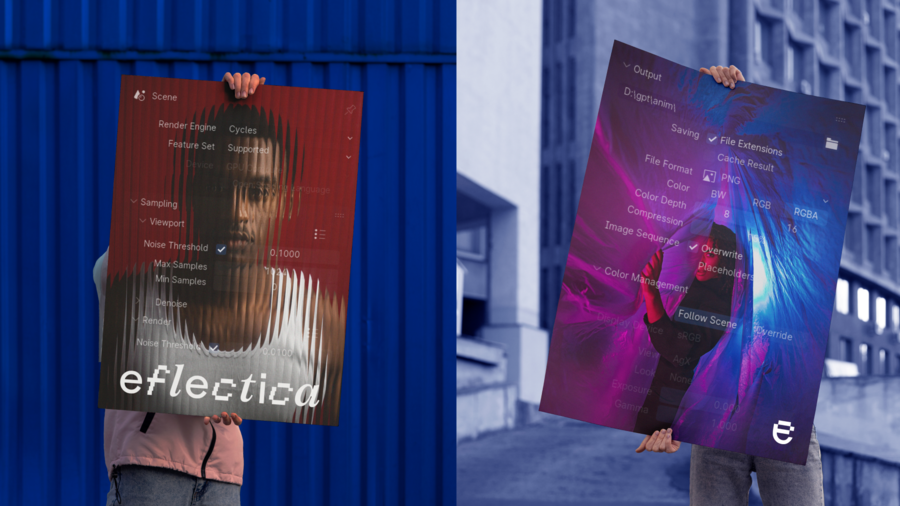
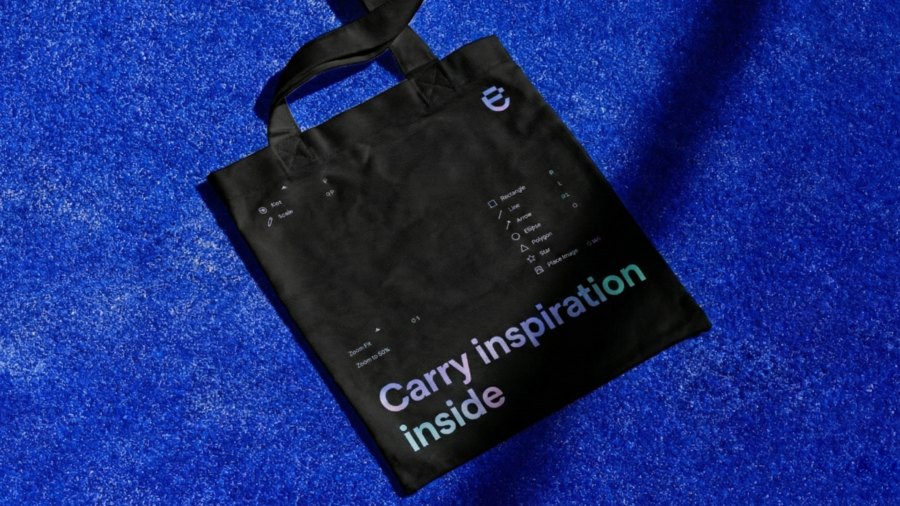
Outdoor advertising for the Eflectica web service
Eflectica is centralized creative arsenal
Access and organize presets, effects, and assets for photography, video, 3D, and beyond—structured around how you actually work.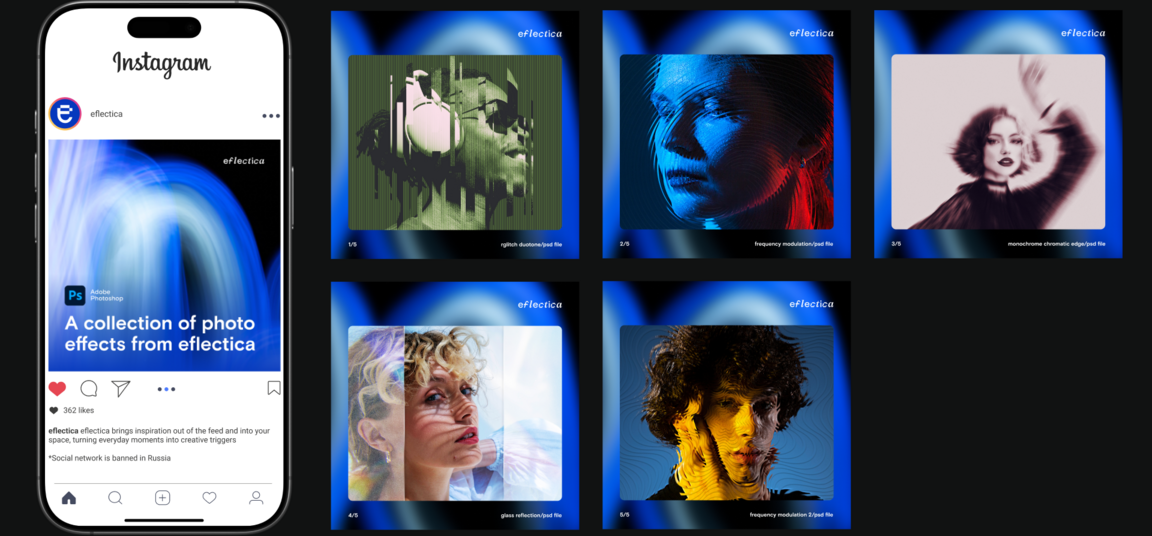
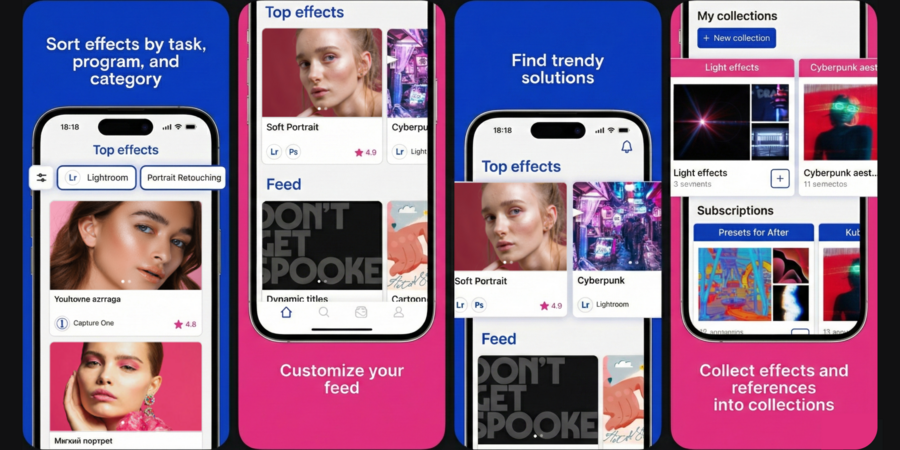
Eflectica App Store page design
Discovery without distraction
Explore hand-picked collections, track emerging trends, and see what’s happening in the creative community.Collections page on the Eflectica web service and collection creation modal
Intelligent creative support
The platform recognizes your patterns, recommends relevant resources, and keeps you in the zone instead of breaking your momentum.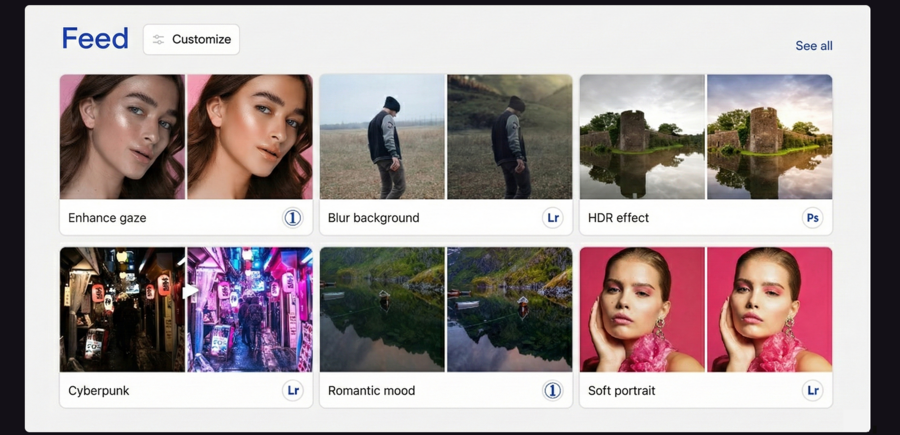
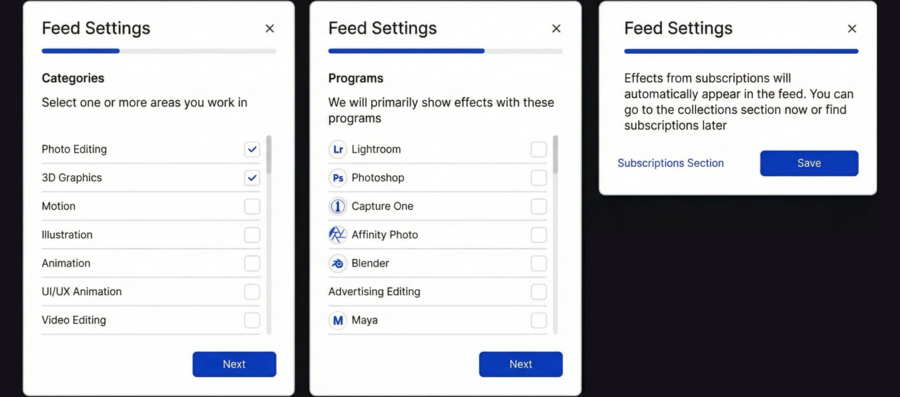
Feed settings modal on the Eflectica web service
Presentation the brand for a professional audience
Creators don’t just need resources—they need an ecosystem that accelerates their process, sparks new ideas, and builds a bridge to like-minded professionals. Effectica is that ecosystem
The platform studies patterns of users, responds to their aesthetic preferences, and evolves with their projects—offering intelligent suggestions. That idea shapes the wordmark first. The Eflectica logo introduces deliberate pixel and italic breaks, reflecting a workspace where styles are constantly combined, remixed, rather than locked into one aesthetic.
Because friendliness depends on clarity and approachability, the core type choice is a geometrical grotesque: Basis Grotesque Pro keeps the interface calm and readable while users search, compare, and discuss effects. A grotesk also ties the brand to the everyday language of the web—sans-serif dominates UI environments, and serif tends to signal a more editorial tone.
Secondary fonts (Tickerpixel and Vesterbro Variable Italic) introduce controlled personality: pixel references echo the logic of digital artifacts and effects, while a variable italic adds expressive emphasis for highlights.
Typography for Eflectica
The color system carries the values of friendliness, creativity, and relevance into moments of navigation and discovery. The high-contrast black/white base supports the mission of simplifying work with presets by keeping content dominant and reducing visual noise. Blue and magenta then work as accents: blue reads as precise and tool-like for structure and wayfinding, while magenta acts as an expressive signal for discovery moments (trending collections, effects, new releases), reinforcing Eflectica as both an organized creative arsenal and a source of inspiration.
Creators don’t just need resources—they need an ecosystem that accelerates their process, sparks new ideas, and builds a bridge to like-minded professionals. Effectica is that ecosystem.
Color palette for Eflectica
Eflectica’s visual language layers high-impact imagery—portraits with dramatic effects, stylized lighting, or digitally processed scenes—with recognizable interface fragments from editing software (menus, sliders, node trees, render settings). This technique makes the value proposition instantly legible: the visuals don’t just talk about effects, they show effects in action with the tools visible, signaling insider knowledge and creating immediate recognition for creators who already work in Blender, Photoshop, or After Effects.