Introduction: Can you see sound?
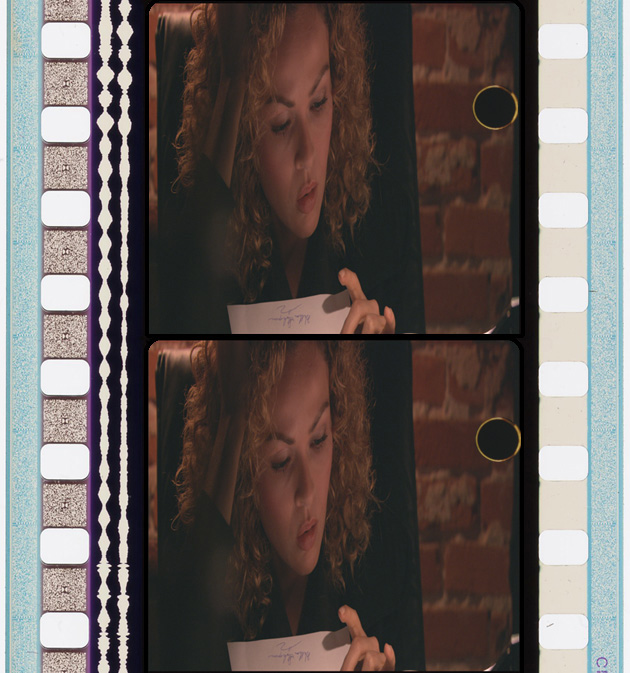
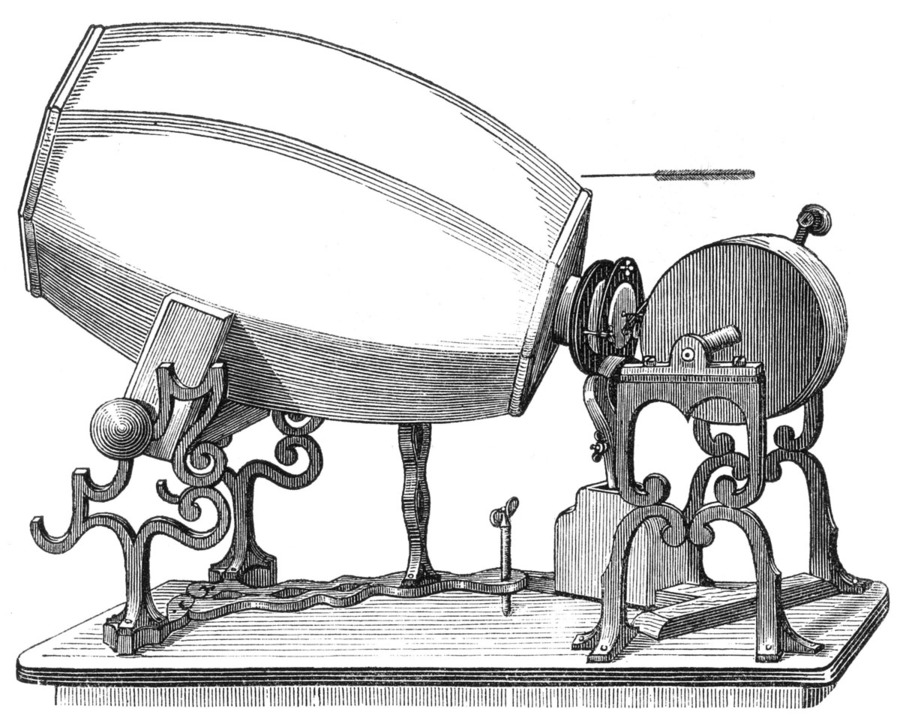
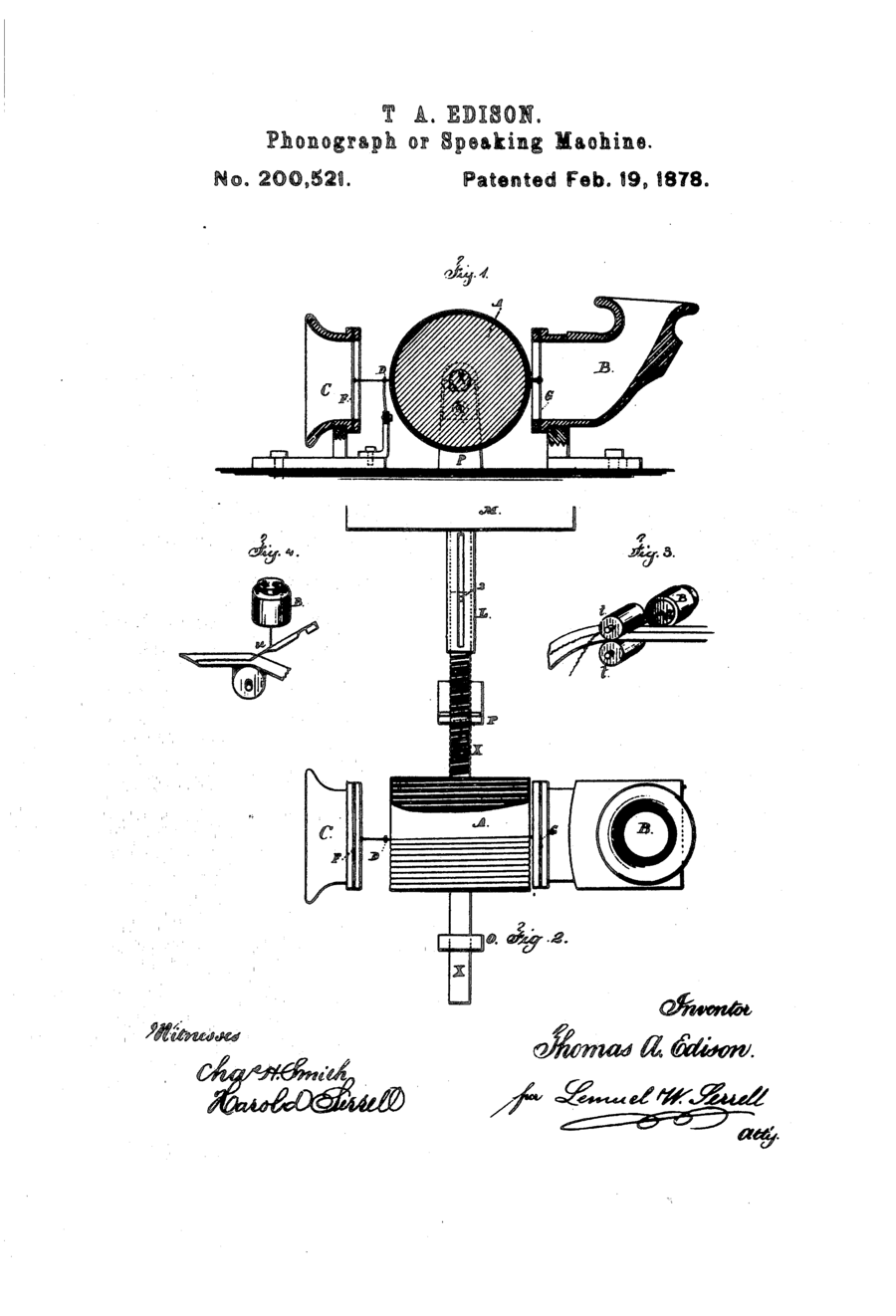
Sound exists as a process: it arises, propagates, and fades. Unlike a drawing or written text, sound cannot be preserved by simply retaining its material source. A musical instrument remains after performance, but the performed piece does not continue to sound within it. Therefore, preserving sound required not only new devices but also a new understanding of what precisely needed to be captured. The history of sound recording illustrates the gradual separation of a sonic event from its trace. Initially, the vibration became an object of observation, then a graphic recording, later a reproducible groove, and eventually an optical phonogram. This study examines these transformations as the history of material forms of sound that prepared it for a sustained connection with moving imagery.