Introduction
This project asks: can the invisible environment become readable without turning into data overload? Air quality — CO₂ concentration, humidity, light balance — directly affects health, productivity, and well-being, yet it remains largely imperceptible in everyday life. We rarely notice when the air becomes heavy, dry, or unhealthy until discomfort appears.
LEAFLIGHT approaches this problem not as a technical monitoring device, but as a communication system. Instead of numbers, charts, and alerts, the lamp translates environmental data into a clear, intuitive language of light. In this project, we treat light not as decoration, but as a medium — a channel through which the environment speaks to the human.
The course defines communication as a systemic process of generating meaning through signs and symbols, always embedded in a specific context. From this perspective, LEAFLIGHT is not merely a smart object, but a mediator between space and user. The environment becomes the sender, sensors act as encoders, light functions as the channel, and human perception completes the decoding process.
Rather than «making a lamp look nice, ” we redesign the entire system of signs surrounding domestic air: color codes, gradients, rhythms of light, usage scenarios, and the spatial context in which the object appears. Each design decision is treated as a communicative act — aimed at reducing noise, increasing clarity, and supporting informed, healthy behavior.
By applying communication theory directly to product and visual identity design, this project demonstrates how theoretical frameworks can make design decisions conscious rather than intuitive. LEAFLIGHT becomes an example of how everyday objects can be designed not only to function, but to speak — calmly, clearly, and responsibly.
LEAFLIGHT — light that speaks. A smart lamp reacting to air quality.
Presentation for general audience
LEAFLIGHT is a smart ambient lamp that helps you feel your space better. It reacts to air quality and softly communicates changes through light — without numbers, screens, or intrusive notifications.

A quiet assistant in everyday life. Air affects us constantly, yet it remains invisible. We get tired, lose focus, or feel discomfort without understanding why. LEAFLIGHT makes these changes noticeable — not by alarming signals, but by subtle shifts in light that naturally blend into the interior.
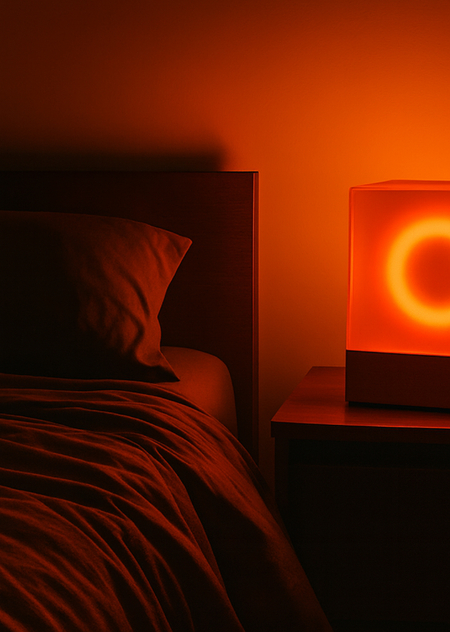
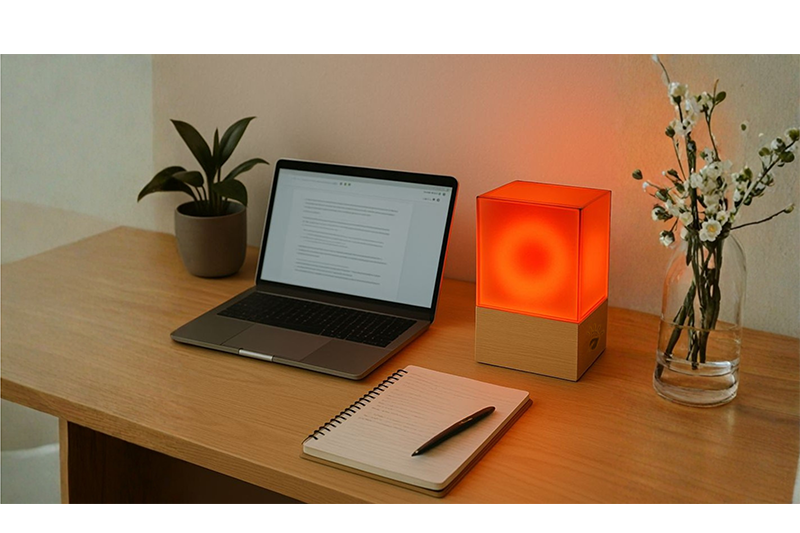
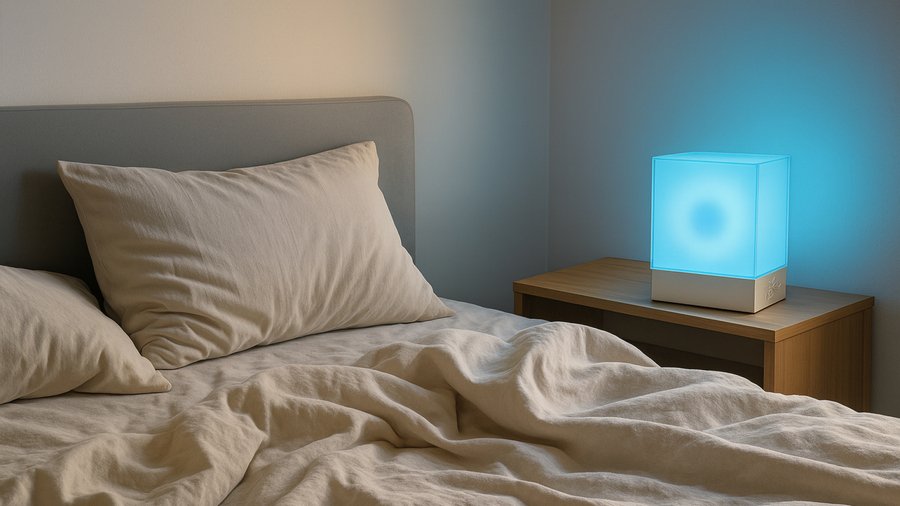
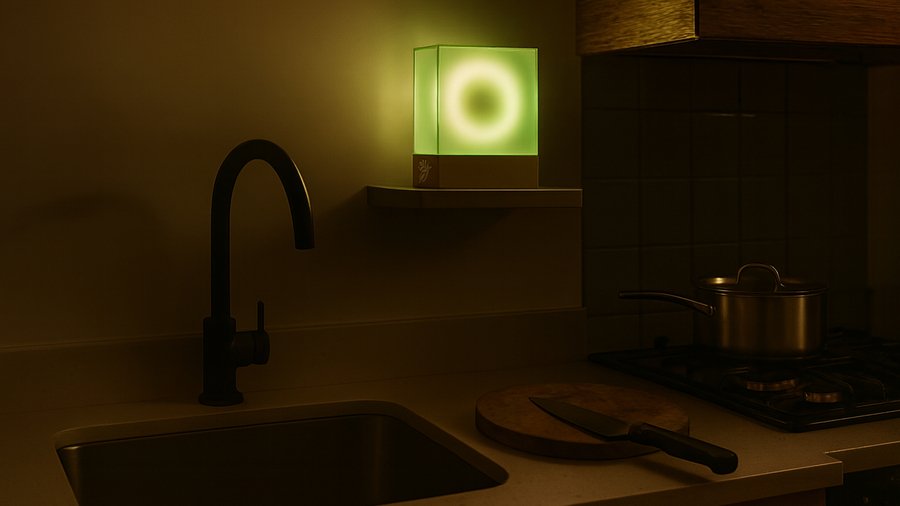
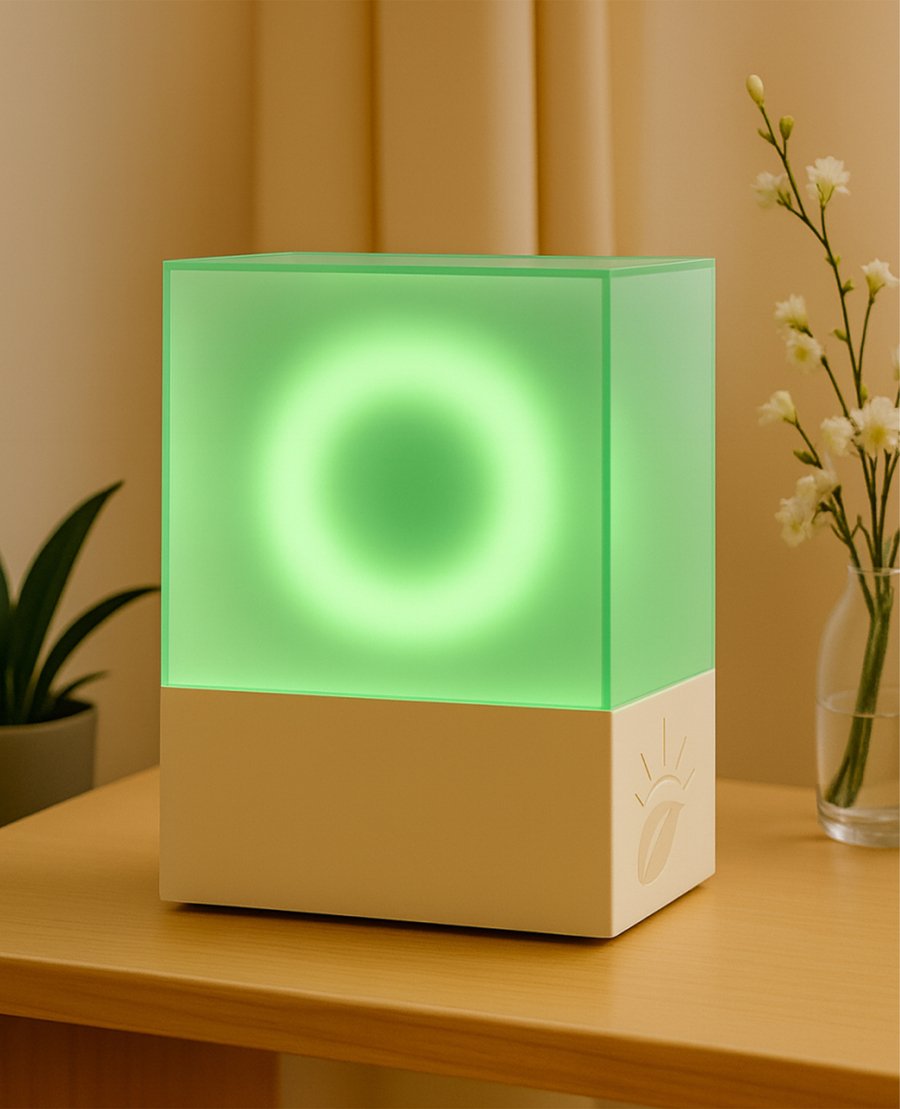
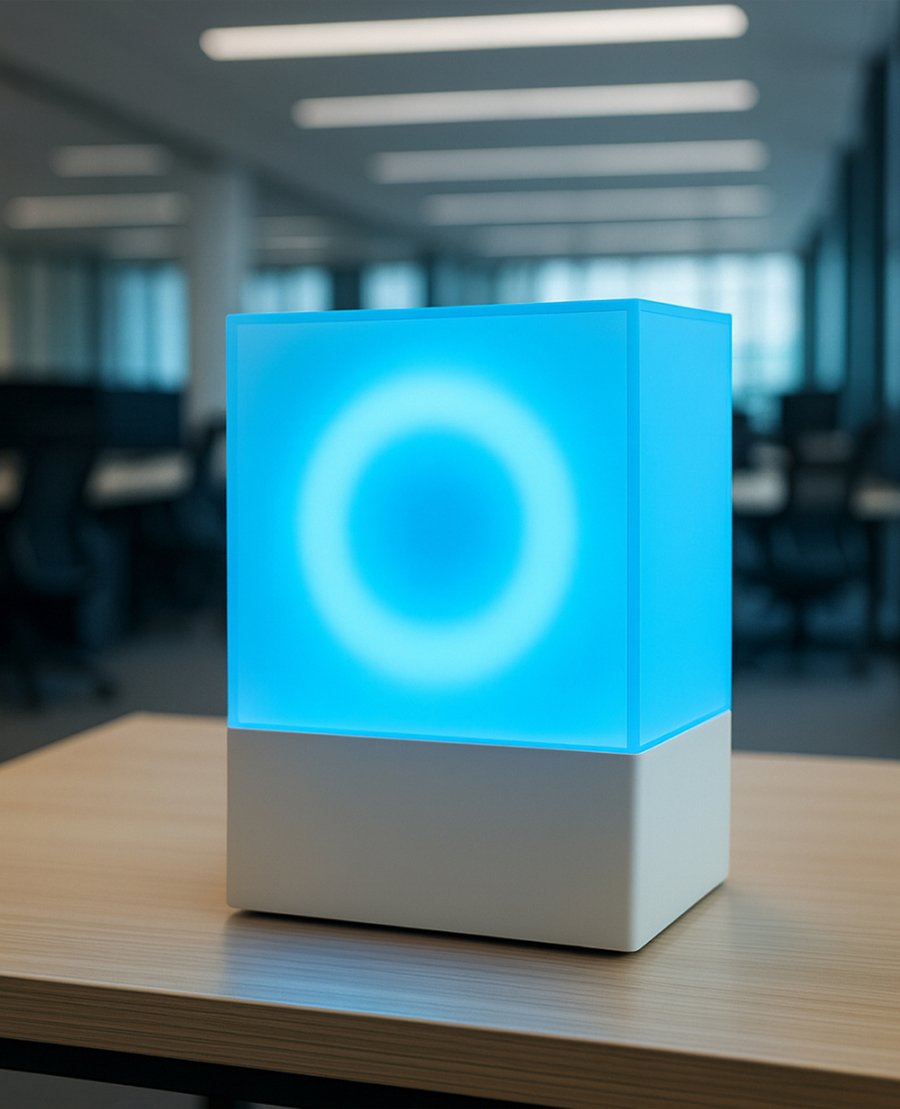
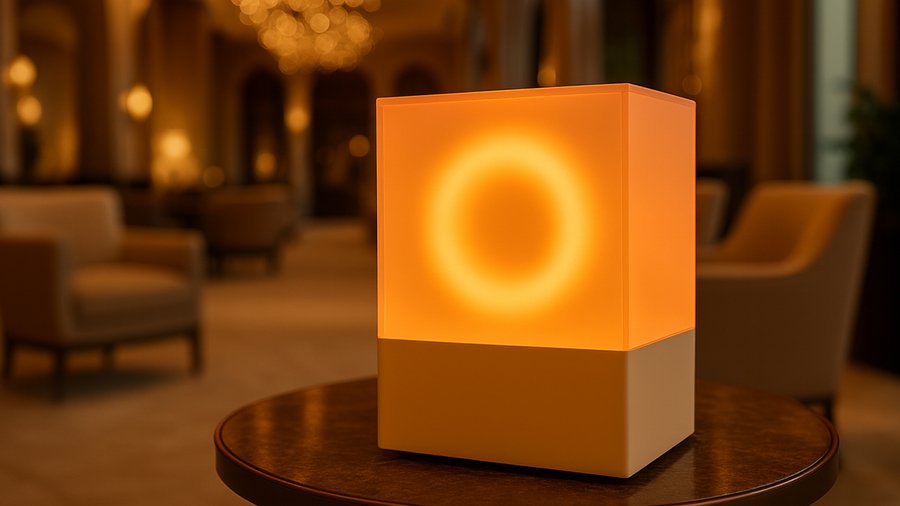
Light instead of data. LEAFLIGHT replaces dashboards and graphs with an intuitive visual language. Green tones mean balance. Warmer hues suggest dryness or increased CO₂. Cooler light indicates excess humidity. You do not need to remember meanings — the light feels understandable on a bodily level.
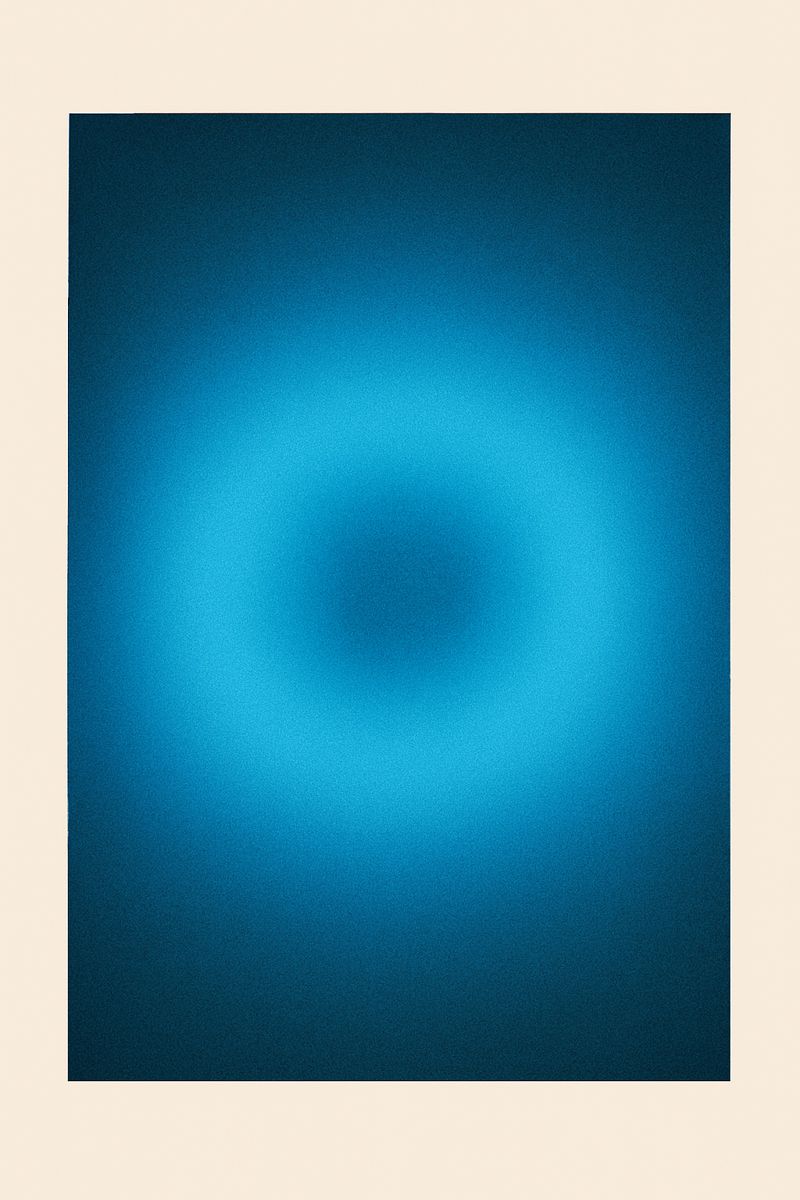
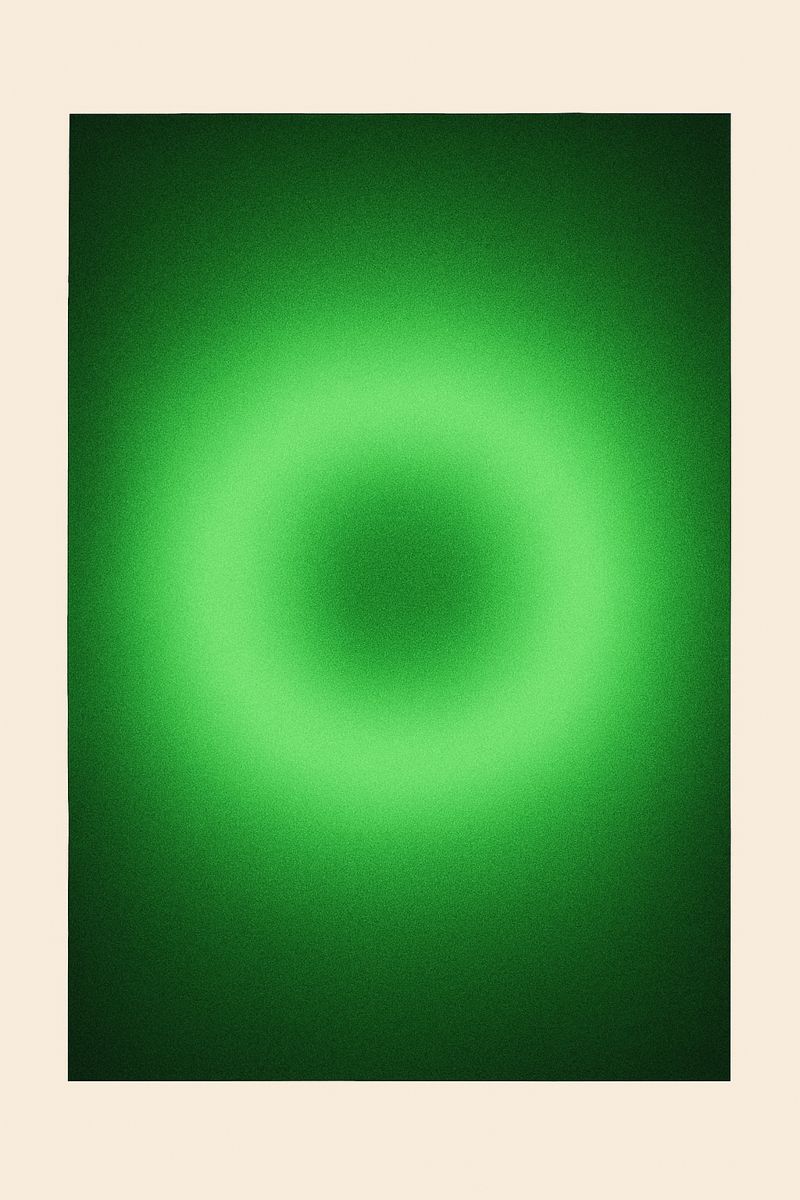
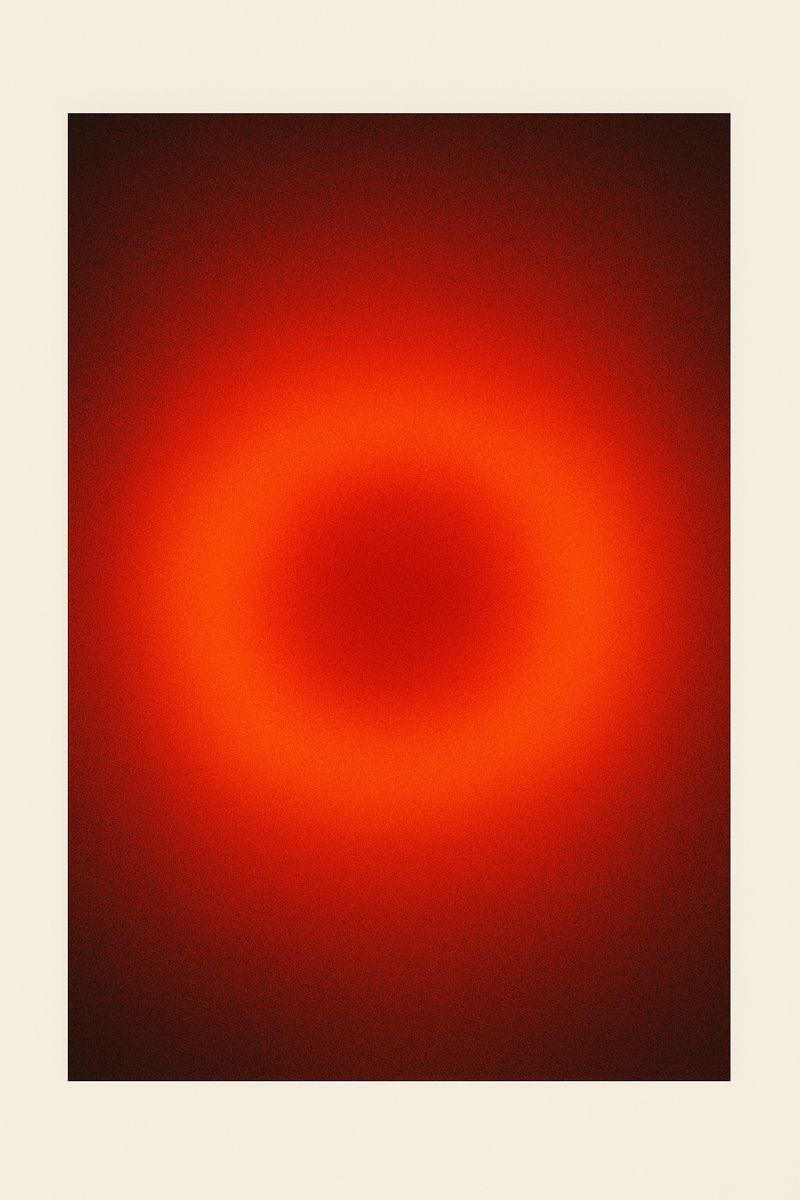
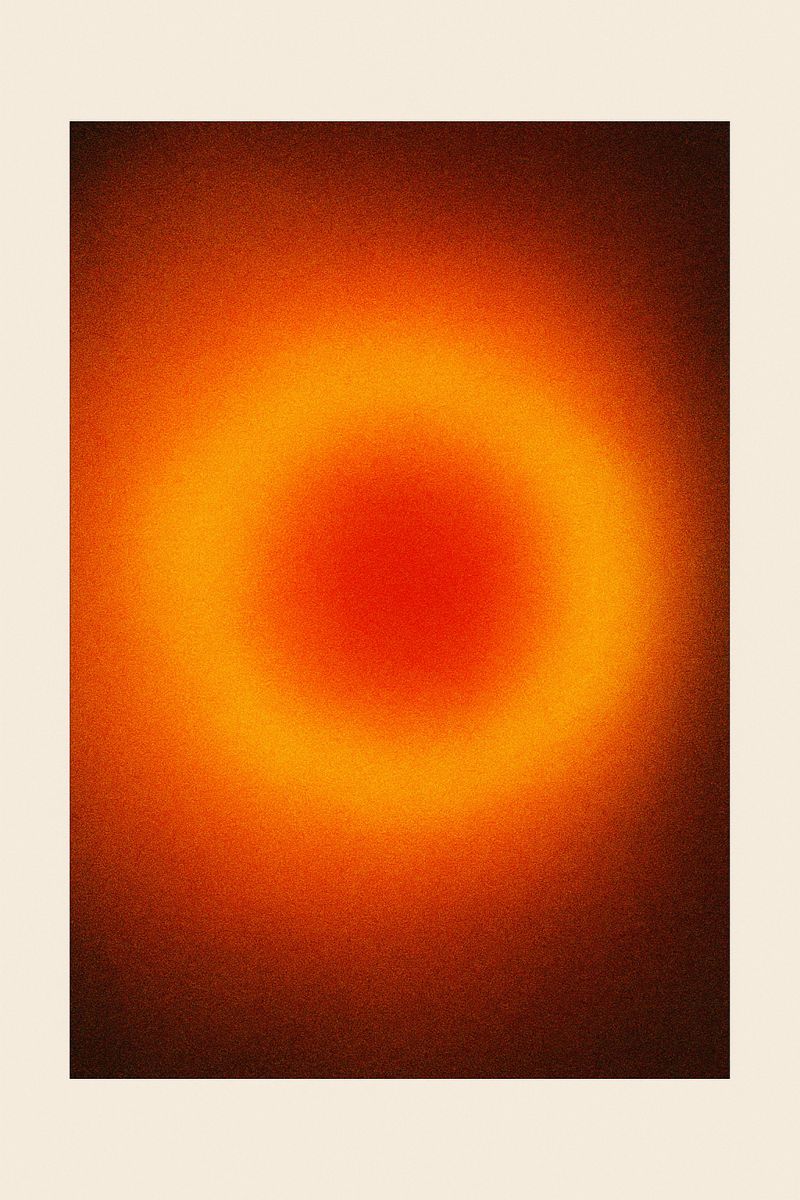
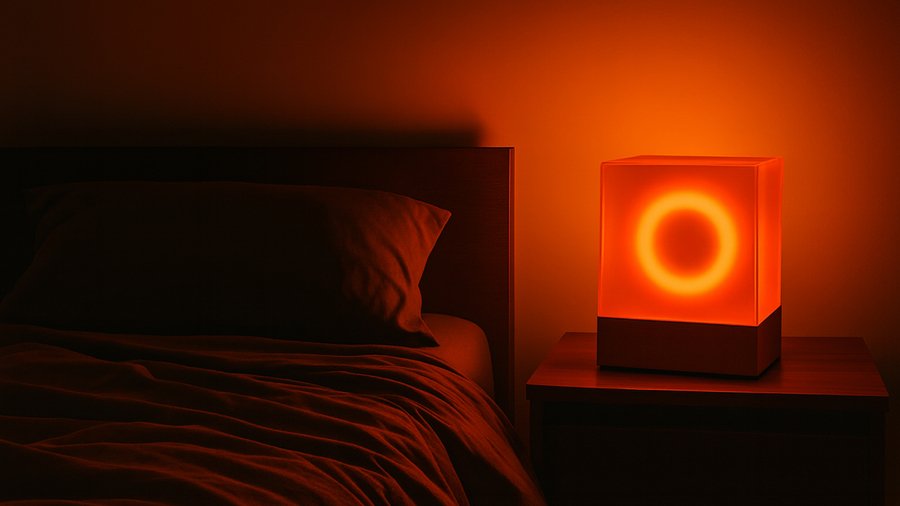
Designed to live with you. The lamp is conceived as an object that does not demand attention. It does not dominate the space, blink aggressively, or interrupt your routine. Instead, it quietly exists nearby — like a part of the environment itself. Everyday scenarios LEAFLIGHT adapts to different moments of the day. Morning: soft neutral light, helping you wake up comfortably
Work: clear, calm glow that signals when the air becomes heavy
Evening: warmer tones that encourage rest
Night: minimal, almost invisible light — no distraction, only presence
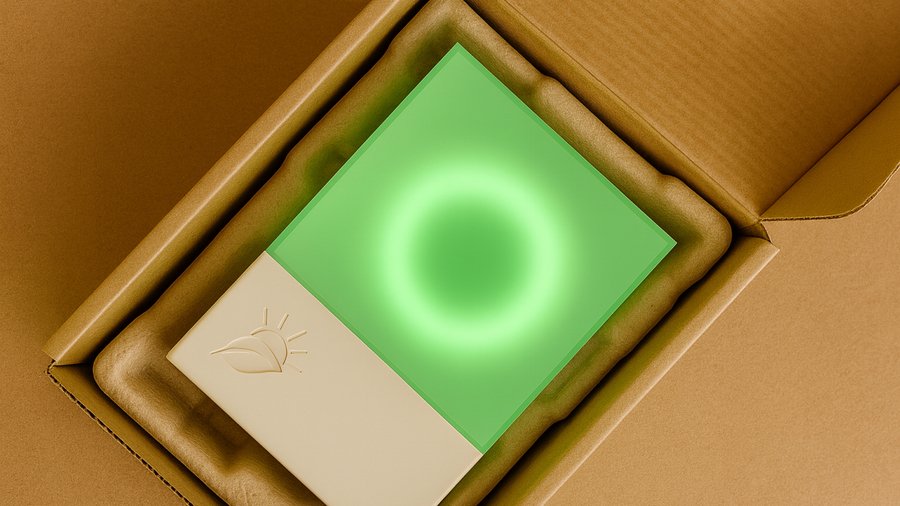
The first encounter: packaging. The LEAFLIGHT box is part of the experience. Minimal, tactile, calm. You open it slowly, without visual noise — just the object, protected and carefully presented. The packaging does not shout; it introduces.
A place to discover LEAFLIGHT. The LEAFLIGHT store is imagined as a light gallery. Few objects. A lot of air. Soft illumination. You do not browse shelves — you explore atmosphere. Each lamp is displayed like an exhibit, showing how it behaves in space.
Online experience. If you discover LEAFLIGHT online, the website functions as a digital showroom. Large images, slow transitions, detailed views of light behavior. In just a few minutes, you understand how the lamp will look — and feel — in your space.
More than a lamp. LEAFLIGHT is not about control or optimization. It is about awareness. About feeling the space you live in. About understanding your environment without overthinking it.
LEAFLIGHT sets the mood, not the rules. It does not tell you what to do. It gently shows what is happening — and lets you decide.
Presentation for professional audience
LEAFLIGHT is a smart lighting object designed as a mediator between indoor environment and human perception. We position it not as a gadget, but as a communication interface — one that translates environmental data into an intuitive visual language suitable for everyday spaces.
FROM DATA TO LIGHT FROM MEASUREMENT TO MEANING
Indoor air quality is usually communicated through numbers: ppm, percentages, alerts, charts. While accurate, this language remains inaccessible to most users in daily life. LEAFLIGHT replaces numerical representation with a sign-based system, allowing users to read the condition of their environment at a glance.
WORKING WITH AN EXISTING PERCEPTUAL LANGUAGE
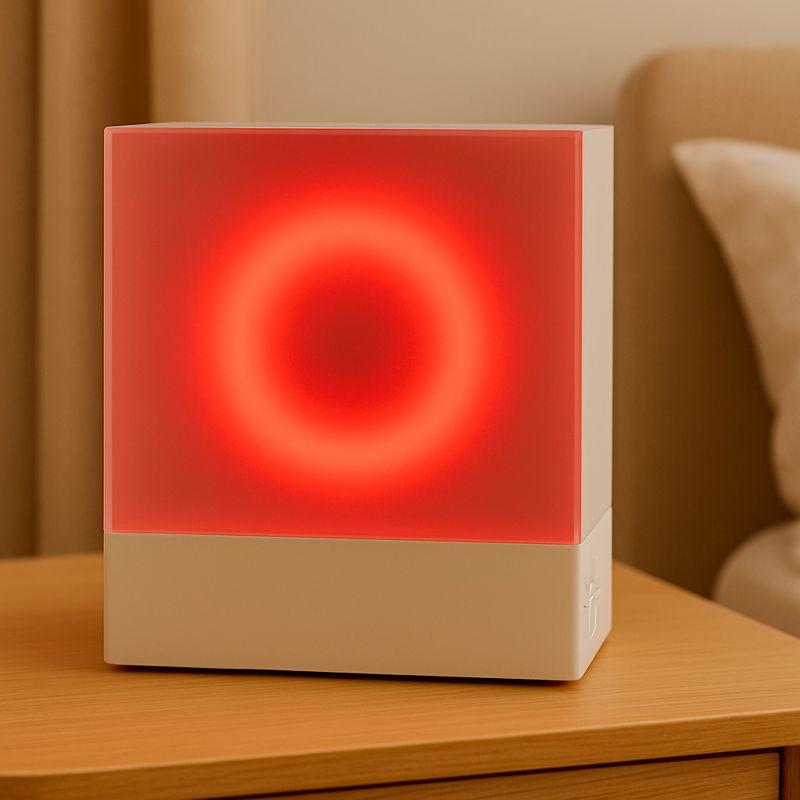
We deliberately rely on already established cultural and bodily associations with light and color. Green reads as balance, warm tones as density or dryness, cooler hues as humidity or excess moisture. The red color is a warning about dirty room air. This reduces the learning curve and minimizes cognitive load. Rather than inventing a new visual language, LEAFLIGHT reconfigures a familiar one.
DESIGNED AS AN OBJECT IN SPACE
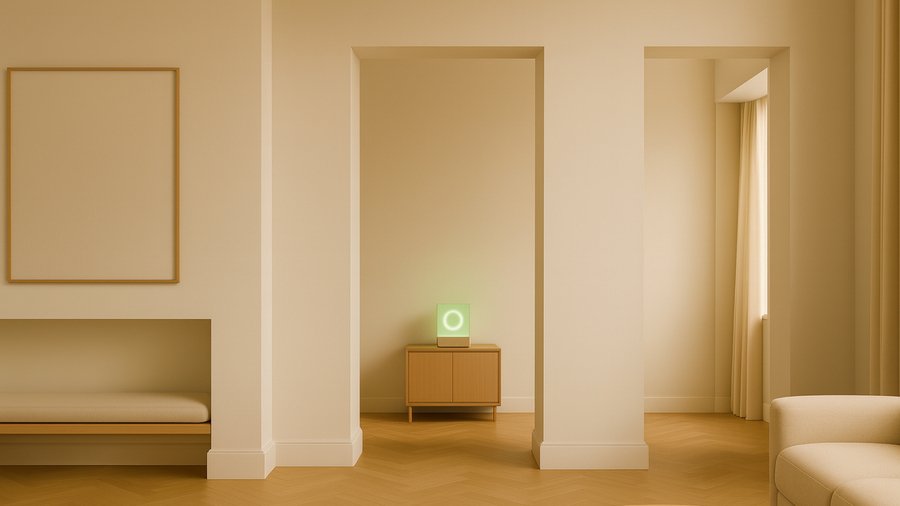
LEAFLIGHT was conceived with spatial behavior in mind. We consider how the lamp is perceived from a distance, how it interacts with ambient light, and how it behaves in peripheral vision. The object is meant to be readable without demanding focus. Its form, scale, and surface finish are intentionally neutral, allowing the light itself to remain the primary carrier of meaning.
CLEAR SCENARIOS FOR PARTNERS
LEAFLIGHT is designed to be easy to integrate into retail, hospitality, and work environments. We provide clear display and lighting scenarios, ensuring that the lamp communicates effectively without visual noise. In showrooms and concept stores, LEAFLIGHT behaves more like an exhibit than a product on a shelf — inviting observation rather than immediate consumption.
CONSISTENCY AS A DESIGN PRINCIPLE
The visual system of LEAFLIGHT extends beyond the product itself. Packaging, spatial presentation, digital interfaces, and communication materials follow the same principles: minimal distraction, clear hierarchy, and respect for the object. This consistency is not decorative — it is functional. It ensures that the message remains stable across contexts and touchpoints.
RELIABILITY BEHIND THE CALM SURFACE
Behind the quiet appearance of LEAFLIGHT lies a structured and predictable system. Sensor logic, thresholds, and update rhythms are designed to avoid false alarms and unnecessary signals. This makes the lamp suitable for long-term presence in living and working spaces. For partners, this means a product that is not experimental, but designed for sustained use and trust.
A LANGUAGE THAT ADAPTS TO CONTEXT
LEAFLIGHT does not impose a narrative. Its communication adapts to context — residential, hospitality, workspace — while retaining the same core code. This flexibility allows the object to participate in different spatial stories without losing identity.
A QUIET INTERFACE FOR CONTEMPORARY LIVING
At its core, LEAFLIGHT is an interface — not between human and machine, but between human and space. By translating invisible environmental processes into a calm visual language, the lamp supports awareness without intrusion.
Theory in action: How the course shaped our decisions
This project became possible once we stopped treating LEAFLIGHT as a smart product and began to understand it as a sign within a communication system. The course shifted our focus from intuitive design decisions to conscious meaning-making. Rather than asking how the lamp should look, we asked what it communicates, to whom, and through which language.
SEMIOTICS AS A FOUNDATION
Semiotics became the core analytical tool of the project. Environmental parameters such as CO₂ levels and humidity function as indices, directly pointing to the state of the space. Light gradients and intensity act as icons, visually resembling bodily sensations like heaviness or freshness. Over time, stable light states become symbols, allowing users to associate certain colors with specific environmental conditions. This structure helped us design a visual language that is readable without instruction.
COMMUNICATION AS A PROCESS
Applying the Shannon–Weaver model allowed us to structure LEAFLIGHT as a clear communication process: environment → sensors → light → human perception. This model made the concept of noise especially important. Many design decisions — smooth transitions, restrained brightness, absence of alerts — were aimed at minimizing perceptual noise and preventing signal fatigue.
CONTEXT AND AUDIENCE
The socio-cultural approach highlighted that communication is always contextual. The same object communicates differently to different audiences. For general users, LEAFLIGHT speaks through atmosphere and everyday experience. For professionals, it is explained through structure, system logic, and scalability. The object remains unchanged; the narrative adapts.
LIGHT AS MEDIUM
Media theory helped us treat light not as decoration, but as a medium that extends perception. By translating invisible environmental processes into ambient signals, LEAFLIGHT supports awareness without overwhelming the user with data.
FROM INTUITION TO JUSTIFICATION
One of the key outcomes of the course was gaining a vocabulary to justify design decisions. Choices related to color, rhythm, and form were not aesthetic preferences, but communicative strategies aimed at clarity, trust, and long-term interaction. The project demonstrates how communication theory transforms design from an intuitive practice into a structured and reasoned process.
Conclusion
The course reframed design as communication. LEAFLIGHT is not just a lamp, but a system that produces, transmits, and stabilizes meaning in everyday space.
We did not design an object — we designed a language of light.