1. Media Objective Description
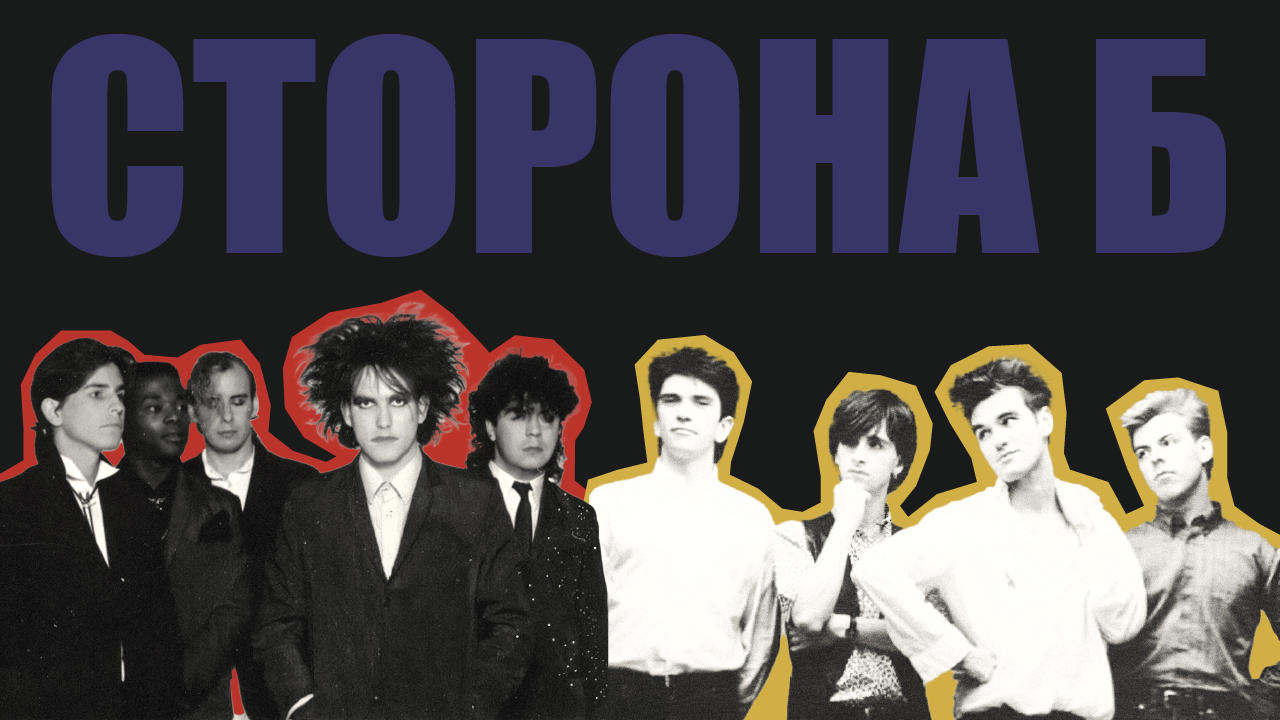
Side B — a digital media outlet about alternative music and the visual culture surrounding it.
The project’s goal is to create media for young listeners who need more than just knowing about new releases and artists. Side B helps people understand music through its history, visual language, and cultural context: it explores albums, music videos, album art, photography, fashion, design, and music scenes.The media is not trying to compete with music news platforms on publication speed. Its purpose is to offer a deeper perspective on music and to show why individual artists, albums, and visual imagery become part of culture.2. Themes of Future Media
Main Theme: Alternative music and visual culture.Music Segments: Alternative rock, indie, post-punk, synth-pop, electronic, and experimental music.Key Artists: Depeche Mode, Radiohead, Muse, The Cure, Blur, Oasis, Massive Attack, Nine Inch Nails, and contemporary alternative scene performers.Side B examines music not in isolation, but as part of the visual and cultural environment. Therefore, the materials include not only bands and albums but also music videos, album art, photography, typography, set design, fashion, concert culture, and the history of music scenes.Focus: International alternative music and visual culture tailored for a young digital audience.
3. Relevance
Music has become integral to daily digital consumption: users simultaneously stream tracks, watch music videos, research artists, save visual assets, and discover new music through social media and algorithmic recommendations.In 2024, the Russian paid music streaming market grew by 49%, reaching nearly 37 billion rubles, with the average monthly audience for streaming services totaling 84.1 million people.Furthermore, the interest in music extends beyond mere listening. The artist’s persona, music videos, photography, album artwork, and the aesthetics of musical scenes are becoming independent subjects of fascination.Side B capitalizes on this demand, merging music journalism with visual and cultural analysis.
4. Competitive Analysis
Competition Criteria
For the competitor analysis, six main criteria were established:1. Thematic Focus — what musical genres and cultural topics the media covers.2. Platforms — where the content is published: website, Telegram, VK, YouTube, and other platforms.3. Formats — news, reviews, interviews, collections, videos, longreads, and interactive content.4. Visual Style — photography, typography, collage, video, motion, and other visual techniques.5. Tone of Voice — the nature of communication with the audience: expert, conversational, ironic, journalistic.6. Audience Engagement — polls, comments, reactions, saves, interactive formats, and engaging content.
Direct Competitors
Zvuki.ru A musical media outlet with a broad scope of genres. It publishes news, reviews, interviews, curated selections, reports, and articles about concerts and festivals. Similarity to Side B: music journalism, focus on the rock and alternative scene. Difference: Zvuki.ru covers a wider array of musical genres and is focused on regularly covering events, whereas Side B emphasizes alternative music, visual culture, and context. Rockcult Media specializing in rock music. It publishes news, release features, reviews, and interviews. Similarity to Side B: general rock and alternative audience. Difference: Side B expands its music focus through visual culture, design, photography, and the analysis of musical imagery. InRock A Russian publication about rock music, featuring interviews, band histories, reviews, and analytical pieces. Similarity to Side B: interest in the history and context of rock music. Difference: Side B is primarily geared toward a digitally engaged young audience and utilizes visual research and modern social media formats.
Indirect Competitors
Daily Event Guide Cultural media covering music, film, art, urban culture, and other topics. It uses news, interviews, roundups, quizzes, photos, videos, and interactive content. Similarity: Overlap with the music and young cultural audiences. Difference: Music is only one of its focus areas, whereas Party B specializes in musical culture.The Flow Media about rap, contemporary music, and related subcultures. It is characterized by active social media engagement and a recognizable editorial style. Similarity: Engagement with young audiences and musical subcultures. Difference: The Flow’s primary focus is rap and modern hip-hop culture, while Party B works with the alternative scene.Meduza Broad-scope media that also creates music roundups, stories, and features about popular artists and musical phenomena. Similarity: Attention to the cultural context of music. Difference: Music is not the main theme of Meduza, whereas Party B is built around it.
Potential Competitors
NME An international music media outlet covering alternative music, rock, pop culture, and new musical trends. What overlaps: Music journalism, the alternative scene, artist interviews, and artist profiles.Dazed Media operating at the intersection of music, fashion, art, and visual culture. What overlaps: Approaching music as part of a broader visual culture.Pitchfork A music media outlet specializing in reviews, interviews, research, and features on contemporary and historical music. What overlaps: A focus on musical context and analytical content.
Conclusion from Competitive Analysis
Competitor analysis revealed that music media primarily operate within two models: either focusing on news, releases, and reviews, or treating music as one facet within a larger cultural media landscape.
A narrower combination remains untouched—alternative music combined with visual culture and cultural context.
Party B has the potential to occupy this niche by examining music through several interconnected layers: the artist, the album, the visual identity, design, the music video, its history, and its impact on contemporary culture.
Therefore, the core difference for Party B is not the exclusivity of music news, but rather the method by which that news is interpreted and visually presented.
5. Tools and Formats
TelegramThe main platform for daily communication: short news updates, collections, photos, videos, polls, recommendations, and links to longer materials.VKA platform for short videos, cards, clips, discussions, and supplementary content distribution.WebsiteThe primary platform for long-form articles, visual research, interviews, group stories, and analytical pieces.Short VideoShort formats are used to attract new audiences: a story from an album, a cover breakdown, a group recommendation, an explanation of a musical phenomenon.Content is adapted for each platform, not simply duplicated: a major piece becomes a short video, a series of cards, a post, and a discussion.
6. Visual Style
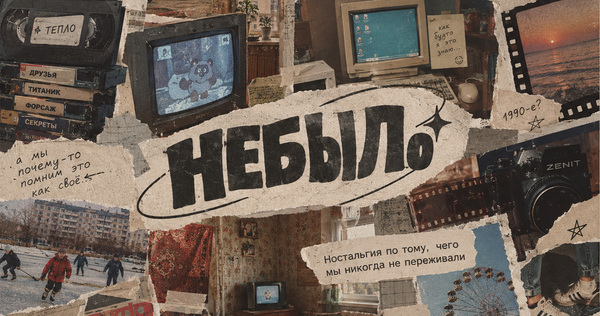
The visual style of Party B is built upon the language of musical and independent magazine culture.
Key approaches include: large typography, archival photography, black-and-white images, collages, scans of concert materials, posters, album covers, raster graphics, and a limited color palette.
The visual content serves not merely as a decoration for the text, but as an integral part of the material itself. Every long-form article must possess its own visual composition linked to the research topic.
The core principle is not to stylize the media to look like rock music, but rather to work with the actual visual materials of music culture.
7. Tone of Voice
Tone of voice: Side B is expert, direct, and slightly ironic, without musical snobbery.
The media speaks to the reader as an equal, explaining complex cultural phenomena in plain language. The author’s position is permissible, but it must be supported by facts and context.
Side B avoids grandiose descriptors like «legendary,» «genius,» or «greatest» unless it explains why a specific artist or album is truly significant.
The main principle of communication is not telling the audience what to listen to, but giving them the context to spark their own interest and make their own choices.
8. Target Audience
The primary audience for Party B consists of young adults aged 18–30 who listen to alternative, rock, indie, electronic, and experimental music and are interested in the culture surrounding it.
These individuals are not necessarily professional musicians or music critics. They are united by an interest in the artists, the visual identity of music, music genre history, music videos, album art, photography, fashion, and contemporary cultural trends.
The audience’s main need is not just to receive information about music, but also to receive the context that helps them understand it better, discover new artists, and form their own cultural taste.
Target Audience Segments
01 — New Listener Ages 18–23. Listens to established alternative artists but is not yet well-versed in genre history. Need: To understand why specific music is considered important and to find similar artists.02 — Visual Explorer Ages 19–27. Interested in design, photography, fashion, film, or other visual disciplines. Need: To discover visual ideas through music and to understand the connection between musical and visual culture.03 — Music Aficionado Ages 24–30. Has a developed musical taste and follows releases, concerts, and music journalism. Need: To gain a deeper insight into the music they already enjoy.04 — Trend Hunter Ages 18–26. Constantly seeks out new artists through streaming, social media, and recommendations. Need: To discover new bands and understand which directions are developing within alternative music.
Personas
Liza, 20 — Visual Researcher Design student. She listens to Radiohead and Depeche Mode, saves album covers and photographs, and is interested in typography and contemporary visual culture. Why she comes to Storona B: For visual research and sources of inspiration. What she saves: Cover breakdowns, photographs, and collections. Maxim, 22 — New Listener Student, plays the guitar, and listens to Muse, Nirvana, and alternative rock. Why he comes to Storona B: To learn about the history of bands and find new music. What he saves: Recommendations, playlists, and album histories. Anton, 28 — Music Lover Works in the creative industry, collects vinyl, attends concerts, and reads music media. Why he comes to Storona B: For quality music journalism and a fresh perspective on familiar artists. What he saves: Long-form articles, interviews, and archival materials. Masha, 19 — Hunter for the New She listens to music through streaming services and short videos. She knows individual songs by older bands but doesn’t always know their history. Why she comes to Storona B: Initially for a short video or recommendation, and later for new artists and curated selections. What she saves: Short recommendations and music lists.