«ТО и ТО»
медиа о философии и этике взаимодействия человека и искусственного интеллекта в искусстве.
Media Objective Description
«To and To» is a media platform exploring the philosophy and ethics of human-AI interaction in art. The platform does not offer pre-packaged answers, nor does it take a definitive side in debates. Its purpose is to illuminate the complexity of the questions AI poses to creativity and to provide readers with the tools necessary for their own judgment.
The platform exists to: — create a space for honest discussion about what is happening with authorship, originality, and the very notion of «creation» — convincingly present both sides of every debate — leave the reader not with an answer, but with a question—compelling them to reflect on the subject.
Future Media Themes
Segment: individuals who are already considering AI and creativity and are seeking not ready-made answers, but conversation partners, arguments, and a language for reflection.Niche Topic: the philosophy and ethics of human-AI co-creation in art.
Competitors and their analysis
Direct Competitors
Channels and media that explore the topic of AI and art on a deep level. There are very few direct competitors in the «AI philosophy + art» niche on Russian-language Telegram—and that is the niche.Analytical benchmarks: — Dmitry Bulatov’s channel @BulatovDmitry — focuses on science art, the symbiosis of science and art; the author often jokes and publishes free links to books and films about artists. — The channel @aifilmmaker — covers AI films and animation. — The channel @votposmotrim — discusses contemporary culture, content, and neural networks.
Indirect Competitors
Media about art and philosophy that may touch upon AI topics, but do not focus on it: — «We show paintings here» @artsedu (~195–215K followers) — classical and contemporary art, tests, facts. — «Nothing Book | Art» @kartiny_muzei_zhivopis (~122K) — works by Russian and international artists. — «Monet or Manet?» @maneormone1 (~92K) — the history and mysteries of paintings.
Potential competitors
Major art or technology media outlets, should they decide to take up this niche: — «NOZH Magazine» @knifemedia (~104k) — an intellectual media outlet that could launch a special project on AI and art. — Academic and educational channels that begin adapting philosophical content about AI.
Competitor Analysis Criteria
Content Depth: Do they discuss philosophical questions or just technologies? Tone of Voice: Is there room for doubt or only for assertions? Delivery Format: Long-form articles, short notes, podcasts. Visual Style: How are posts designed; is there a cohesive aesthetic? Audience Engagement: Comments, discussions, reader responses. Publication Frequency: Daily, weekly, irregular.
Conclusions
What you can adopt: Practicing the publication of free links to sources (books, films, articles) — this builds trust and deepens the reader’s experience.What will set «This and That» apart: There are virtually no direct competitors in the niche of «AI philosophy and art.» Most art channels either display paintings or recite facts. Nobody poses unanswerable questions. AI channels are usually either technical or news-focused. A philosophical perspective is rare.
Distribution Channel
Choosing Telegram: According to Mediascope data, Telegram’s monthly reach in Russia in March 2026 was 94.27 million people, or 76,5% of the country’s population. Despite traffic restrictions, Telegram remains the largest platform for text and media content in Russia. This platform is highly suitable for media built on essays and dialogues. Telegram allows users to leave comments and reactions on posts, creating a space for discussion.
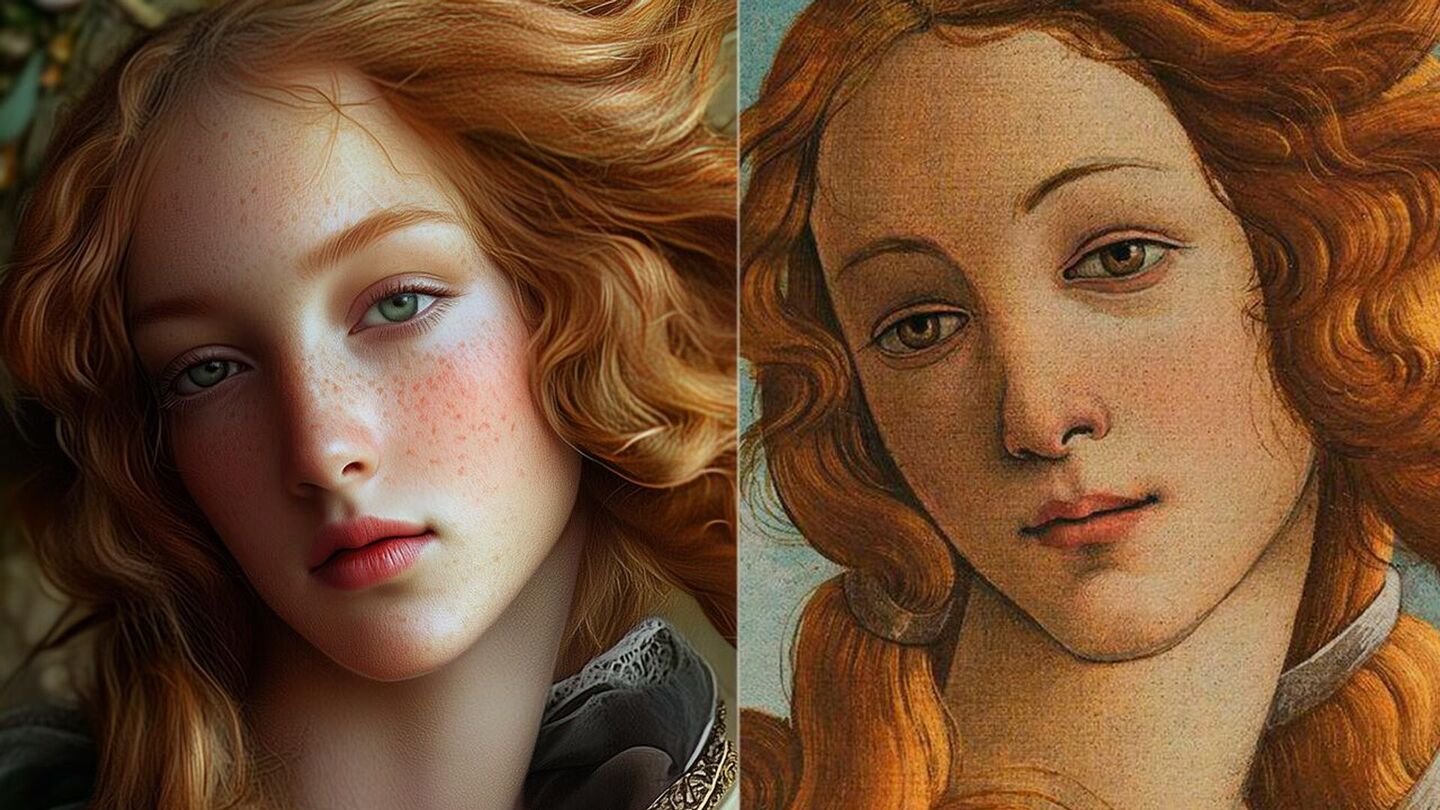
Content Format: — Long-form articles (philosophical essays). — «Double Portraits»: two perspectives on a single topic. — «Unanswered Questions»: one graduate, one question. — Dialogues: two voices without taking a side.
Target Audience:
Hesitant Artist
Situation: An artist, illustrator, or designer who sees colleagues utilizing AI but is unsure whether they should do the same. They feel that something is shifting, but they don’t grasp what it is, and they don’t want to fall behind or abandon their definition of creativity.
JTBD: «When I see others working with AI, I want to understand what that means for me as a creator so I can decide if I should try it—and if so, how to do it without losing myself.»
User Story: As an artist, I want to hear arguments from those who use AI and those who refuse to use it, so I can understand which stance aligns with me—or realize that there may not be a single definitive answer.
Behavior Type: Systematic — «How will this product help me solve this problem?»
Curator or critic
Situation: An individual who writes about contemporary art, curates exhibitions, or gives lectures. They need to speak competently about AI art but do not want to take a definitive side in the debate.
JTBD: «When preparing material or an exhibition, I want to understand the arguments from both sides so I can discuss them without oversimplifying or imposing my own position.»
User Story: As a curator, I want to find compelling arguments from various perspectives so I can incorporate them into my writing and discussions.
Behavior Type: Methodical — «How will this help me fill knowledge gaps?»
Researcher or Philosopher
Situation: An individual interested in authorship, subjectivity, and creativity issues within the context of AI. They do not need popular summaries, but deep questions and theoretical resources.
JTBD: «When I consider how AI is changing the perception of humanity, I want to find conversations and texts that complicate the picture, rather than oversimplifying it.»
User Story: As a researcher, I want to see philosophical questions about AI and art discussed honestly and without elitism so that I can integrate those ideas into my own work.
Behavior Type: Competitive — «What advantage will I gain over others by using this product?»
Curious Reader
Situation: A person who is neither an artist nor a philosopher, but feels that something important is happening. They want to understand the core question but don’t know where to start.
JTBD: «When I see AI changing the world, I want to understand exactly what is at stake in the conversation about art and creativity so I don’t feel lost.»
User Story: As a reader who simply wants to understand, I want to find texts that explain complex ideas without condescension or oversimplification.
Behavior Type: Socially-oriented — «Who else has this helped?»
Unique Selling Proposition
«We don’t know the answer.» Media does not pretend to possess the ultimate truth. Every piece of writing illuminates why the question is more complex than it first appears. The reader leaves with a deeper understanding of the issue and draws their own conclusions.