We pay for «vintage.» But do we understand exactly what we are paying for?
Ads mention «vintage, ” „archive, ” „90s, ” „original, ” „made in Italy, ” and „genuine leather.“ But the word „vintage“ guarantees nothing: it could be a valuable item from the 70s, a common piece from five years ago, or a fake.
How old is the item, really? Is it an original, a reissue, or a copy? Is it worth the money? How can you determine its condition from a photo? And what do you do with it after you buy it?
The information exists, but it is scattered across foreign label databases, resale platform blogs, collector forums, sellers’ Telegram channels, and random lifestyle articles.
What kind of media is this?
Tag. — Consumer educational media that teaches you how to understand a vintage item through its details.
We don’t just sell things, nor do we just talk about the beauty of vintage. We are interested in what these details mean to the buyer: — what era the item belongs to; — whether it is original or a reproduction; — its current condition and what can be repaired; — how much it costs and where the markup is; — how to wear it and how to care for it so that it lasts a long time.
Media Goal
Make vintage purchasing a considered choice, not a lottery.
The project aims to teach individuals how to independently assess an item with a history before, during, and after the purchase.
The media should help the reader: — distinguish genuine vintage from «just old» or counterfeit items; — date an item based on tags, hardware, stitching, and material composition; — evaluate its condition and understand which defects are repairable; — comprehend what determines the price; — care for the item and extend its life.
Value for the reader: No need to gather knowledge from various forums and international websites—the complete picture is in one place and in Russian.
Segment and niche topic
Segment
Educational consumer/lifestyle media focused on conscious consumption, fashion, and the secondary market.
Niche Topic
Vintage and archival clothing, footwear, bags, and jewelry: dating, authenticity, condition, pricing, and care.
The project does not aim to become an encyclopedia of fashion history. We are primarily interested in the knowledge needed by someone who is holding an item or viewing an advertisement.
Media topics include:
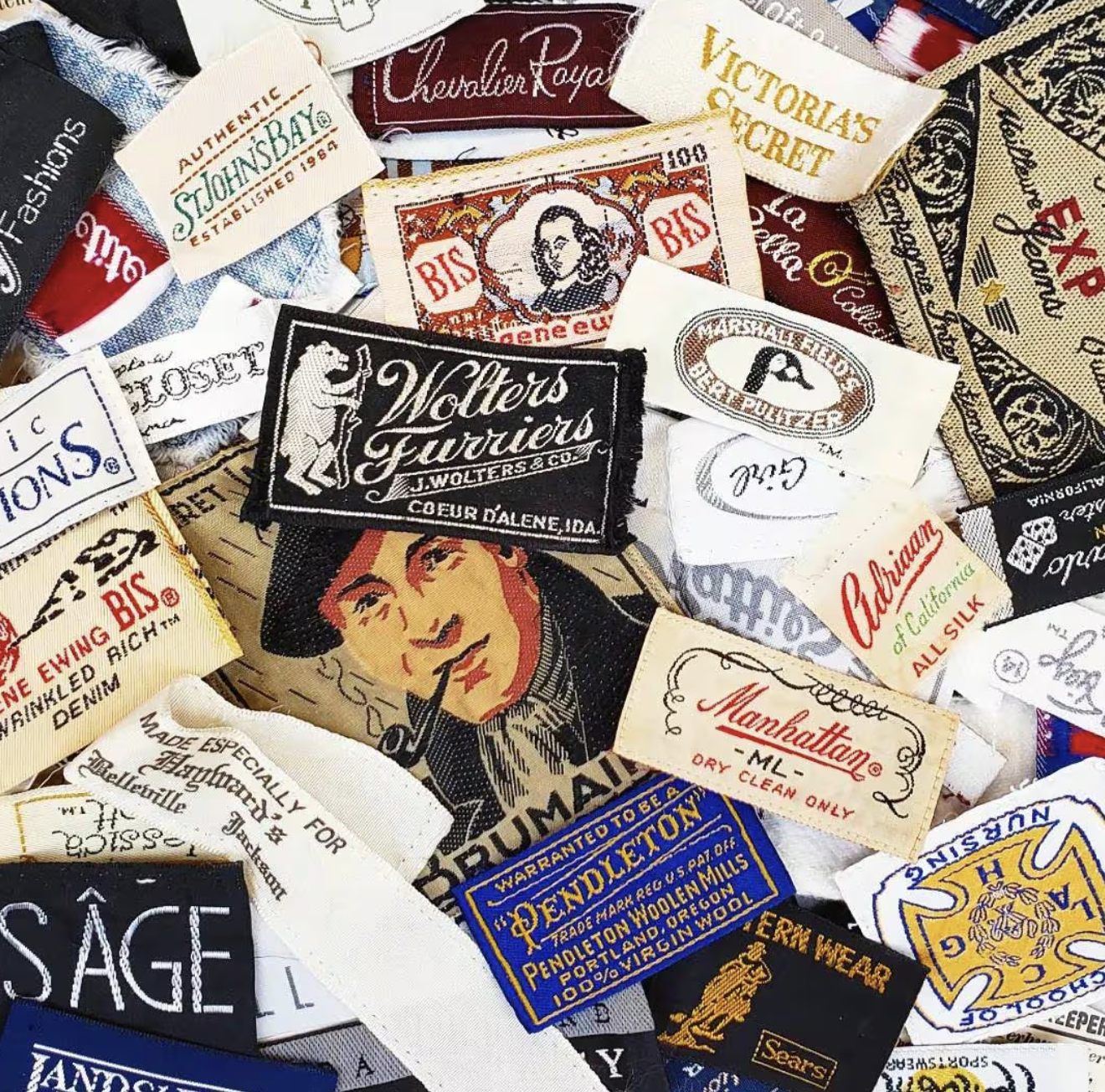
— tags, markings, and their evolution;
— hardware: zippers, buttons, clasps;
— textiles and compositions from different eras;
— signs of counterfeits and reissues;
— brand archives;
— resale platforms and thrift stores;
— care and restoration.
Separator: Editorial System
Categories era.
Learning to date an item by its details.
Example: How to tell from the zipper and the tag that a jacket is 30 years old, not 5.
Original.
We analyze the signs of authenticity and typical counterfeits.
Example: Five details that reveal a copy of a vintage handbag.
Pricing.
We explain what contributes to the cost and where markups occur.
Example: Why two sweaters from the 90s cost 800 and 15,000 rubles.
Analysis.
We take a real find submitted by a reader and examine it from the tag to the price.
Example: «I found a coat at my grandmother’s. What is it and how much is it worth?»
Care.
We show how to preserve and restore an item with a history.
Example: How to refresh old leather without damaging it.
Separator: Competitive Analysis
Goal and Criteria
The objective of this analysis is to understand where users are already finding information about vintage and item verification, what needs are met by existing projects, and what unmet needs remain.
Where we searched: Yandex and Google searches using queries like «how to distinguish vintage, ” „authenticity verification, ” and „how to date an item by its label“; reselling platforms and their blogs; lifestyle media; Telegram and VK.
Analysis criteria
- Positioning and target audience
- Content themes and boundaries
- Distribution platforms
- Formats and tools
- Visual style
- Tone of voice
- User value and implications for our project
Direct Competitor: Vintage Fashion Guild
An international community of vintage fashion experts. Its main resource is the Label Resource database, which is considered one of the key reference guides worldwide for identifying and dating vintage labels. According to the community itself, the archive contains over 3,000 labels, spanning from the 19th century to the early 2000s. vintagefashionguild vintagefashionguildPlatforms: website, database, forum, blog. Formats: reference guides on designers, fabrics, furs, lingerie, and fashion history; a question-and-answer forum. vintagefashionguild Visuals: archival, reference-style, unadorned. Tone of voice: expert, collector-driven. Strength: depth and free access. The database exists as a non-profit educational project run by volunteers. vintagefashionguild Key insight: VFG explains when an item was made, but only in English and only for Western brands. We do the same in Russian, taking into account what is actually found in our market, and translate that knowledge into practice: what that dating means for pricing and purchasing.
Direct Competitor: OSKELLY
A Russian marketplace for reselling branded goods with authenticity verification. The platform features a blog that explains how its expertise process works. platformsChannels: website, mobile application, blog, social media. Formats: articles on authentication, resale guides, live sales. platforms Visual style: glossy, luxury, product-focused. Tone of voice: confident, service-oriented, persuasive. Strength: Trust. The platform verifies materials, logos, seams, and linings against official catalogs and lookbooks, and guarantees a 200% refund in case of counterfeits. oskelly Key insight: OSKELLY verifies items on behalf of the buyer and primarily focuses on contemporary luxury. We also teach buyers how to perform their own checks, even in scenarios where verification is unavailable—on platforms like Avito, in second-hand stores, or at flea markets.
Direct competitor: Grailed / Dry Clean Only
International resale platform for men’s and archive fashion with its own media. The «Dry Clean Only» editorial layer informs the audience about lesser-known and established brands and is considered authoritative in its own right. hypebeastPlatforms: website, app, blog, social media. Formats: interviews, store visits, curated selections, brand profiles, advice for sellers. Complex Visuals: street/editorial, memes. Tone of voice: bold, drawing on meme culture and perspectives on menswear. bosshunting Strength: community and a vibrant voice. Core Insight: Grailed explains the cultural value of archive pieces to enthusiasts. We adopt that same lively tone, but speak to a broader audience about practicalities—how to verify authenticity and avoid overpaying.
Indirect Competitor: Avito
The largest resale platform in Russia with its own verification system. Listings for premium brands that have passed expert review receive the «Authentic» badge and appear in the Avito Premium section; photo verification is conducted by the partner Legit Grails. new-retailPlatforms: website, app, research, and press releases. Formats: badges, filters, market research. Visuals: functional, interface-driven. Tone of voice: neutral, service-oriented. Strength: scale and demand data. Key insight: Avito is the main place where people buy vintage, but the verification there pertains to the brand, not the age of the item, and it doesn’t explain to the buyer why an item is authentic. Our media fills this gap: it teaches users how to read listings and ask sellers the right questions.
Indirect Competitor: RBK Style
Lifestyle media that periodically publishes content about vintage. For example, the publication interviewed owners of vintage shops about their item selection criteria and what is worth investing in. rbcPlatforms: website, Telegram. Formats: interviews, guides, market reviews. Visual: premium editorial. Tone of voice: expert, intellectual. Strength: quality of presentation and brand trust. Main insight: For RBC Style, vintage is one of many topics, and it is presented through expert opinions. Our entire editorial system is built around vintage, and we are teaching a skill, not recounting someone else’s taste.
Indirect Competitor: T—Z
Media focused on money and daily life, which addresses reselling from a practical standpoint. For example, T—ZH has a collection of resale platforms featuring items of varying levels, from simple to luxury.Platforms: website, Telegram, social media. Formats: guides, curated collections, reader stories. Visuals: illustrative, recognizable. Tone of voice: simple, friendly, money-focused. Strength: practicality and the reader story format. Key Insight: T—ZH answers the question «where to buy,» while we answer «exactly what should I buy.»